Cherise Fong a travaillé dans des start-ups web à New York, Monaco et Londres avant de devenir journaliste indépendante. Elle a collaboré notamment avec CNN.com International, MCD, Poptronics… Pour Makery, elle donne des nouvelles des labs et de la culture maker au Japon, aux Etats-Unis et dans le monde entier, et assure également l’essentiel des traductions en anglais.
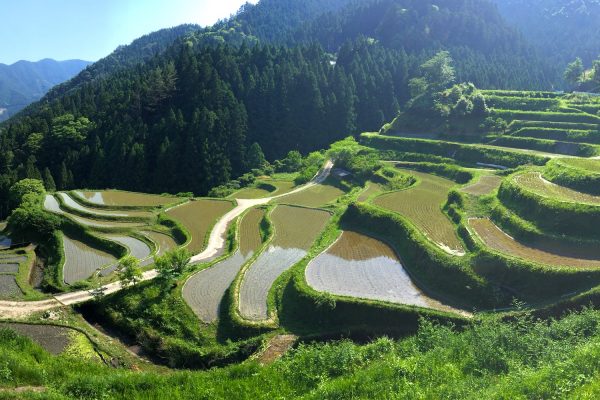
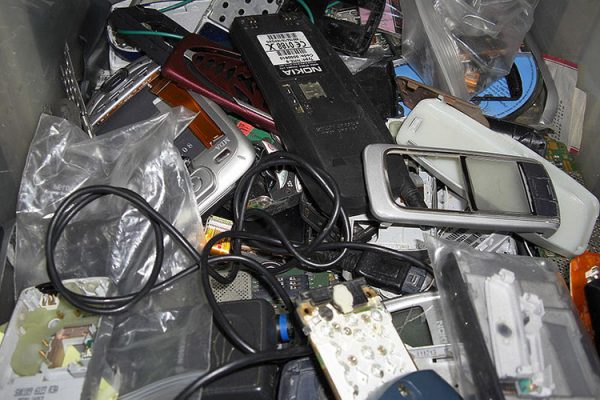
The movement is picking up speed, from San Francisco to Abu Dhabi, from Nestlé to Ikea, from governments to communities. In Japan, the tiny village of Kamikatsu, is leading the way toward zero waste.
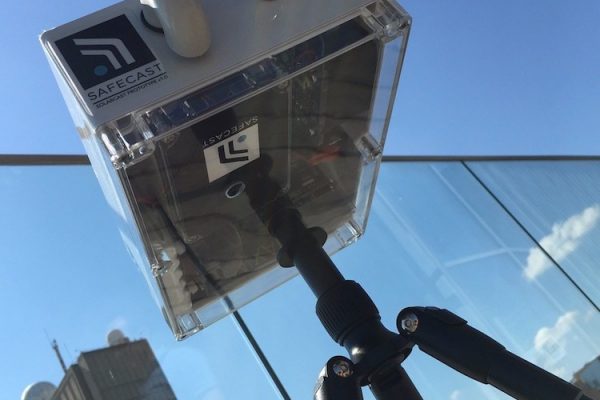
Safecast, best known for its DIY Geiger counter, the bGeigie, just announced on April 29 its newest device: Solarcast has sensors to measure temperature, humidity, radiation and air quality.
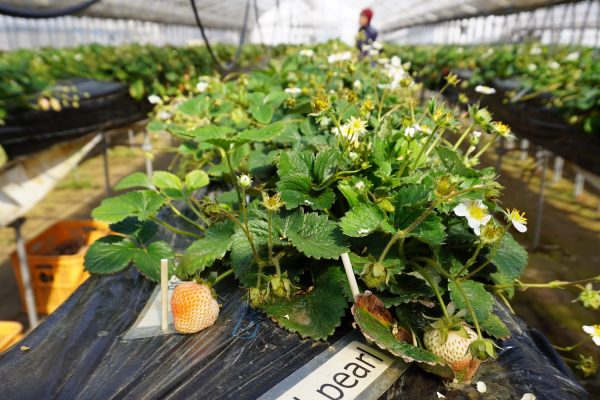
Conceived with Japanese farmers in mind, UECS-Pi is a functional prototype of an autonomous greenhouse that runs on a Raspberry Pi connected to an Arduino.
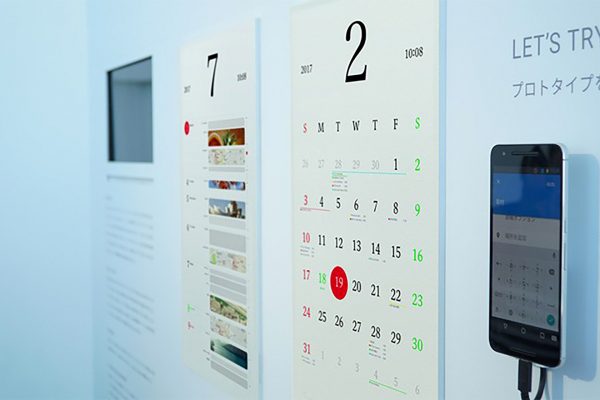
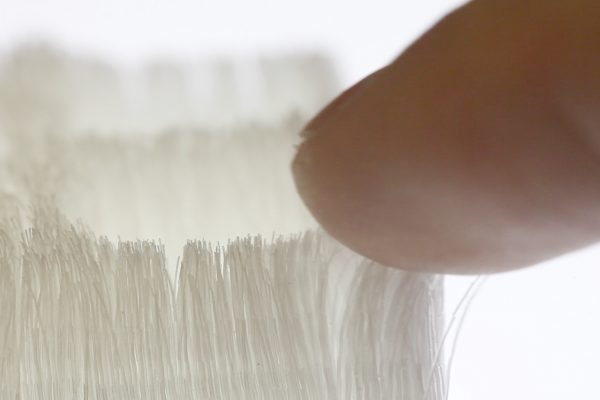
A wall calendar made of intelligent paper that displays the latest updates from your smartphone is the idea underlying designer Kosho Tsuboi’s “Magic Calendar”.
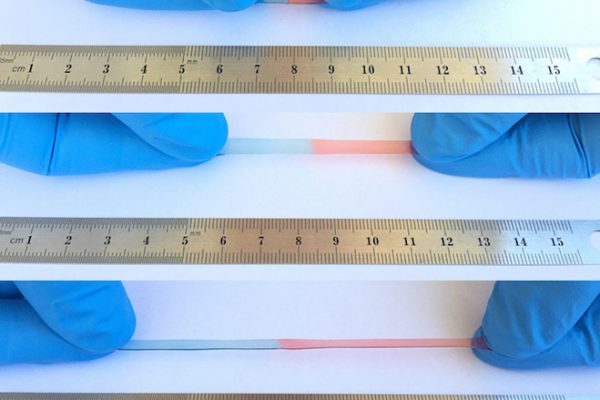
Researchers from the University of California presented a rubber-like material that is stretchable and transparent, conducts ions and can heal itself to regain all its fantastic properties.
The e-commerce giant Alibaba signed agreements to collaborate with Australian and New Zealand companies to launch pilot frameworks based on blockchain.
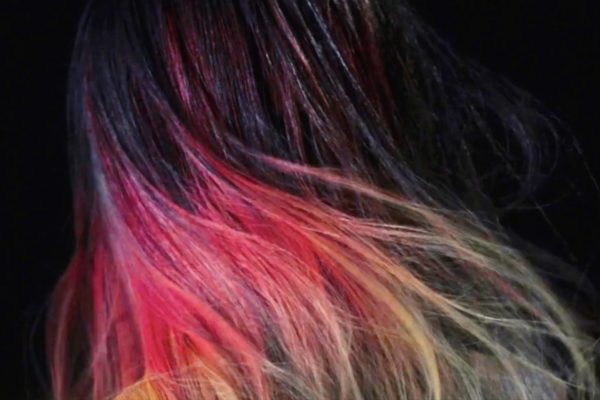
Revealing the invisible through color is the specialty of The Unseen. The British company’s latest creation is a hair dye that reacts to ambient temperature… or to your mood.
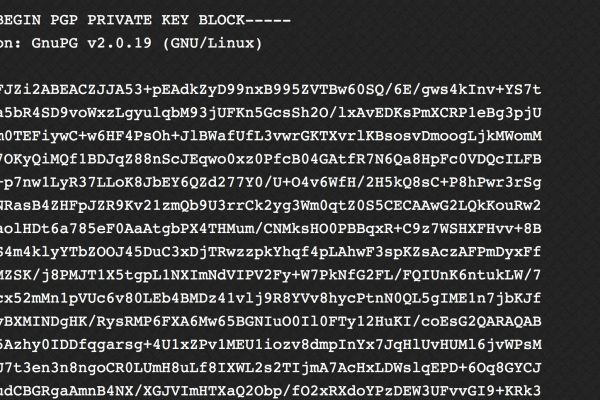
Whistleblowers, journalists, activists, citizens: we all have the right to communicate privately and anonymously. Tips to protect yourself from the eyes and ears of all Big Brothers.
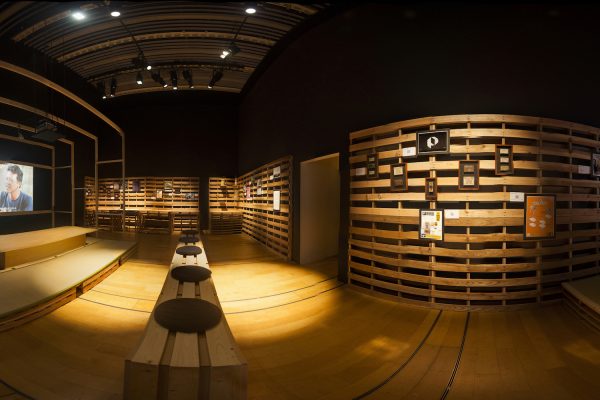
Lifepatch is showing a modest retrospective in the prestigious ICC art and new media center in Tokyo. An opportunity to take a closer look at the discreet but passionate way of “making” of this Indonesian community.
On one side, Handle by Boston Dynamics, a military-grade equine robot that rolls, jumps and spins; on the other, Spider, an excavator commissioned to crush and remove nuclear debris in Fukushima.
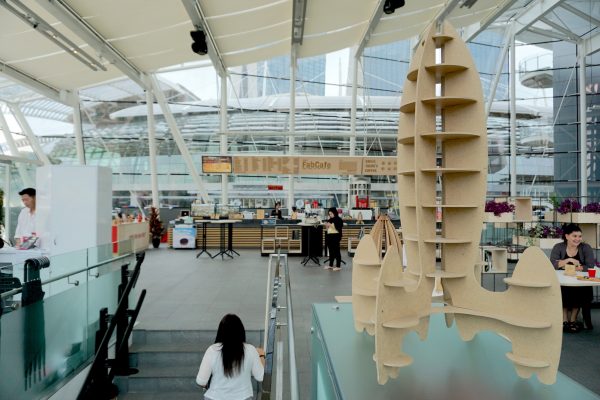
Opened six months ago within the avant-garde ArtScience Museum in Singapore’s newest commercial and tourist district, the FabCafe is the latest addition to the global network born in Tokyo in 2012.
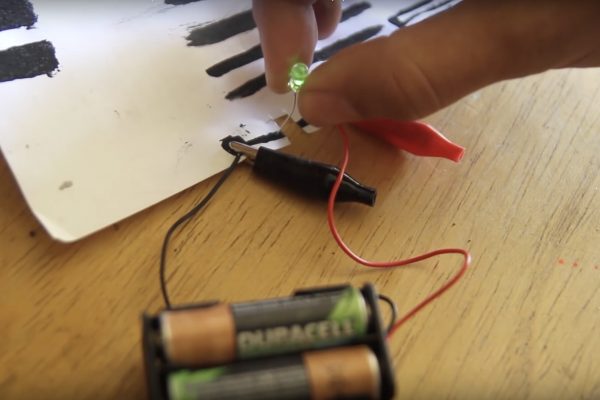
Do you find conductive ink pens too costly and recipes too chemical? A lab in Barcelona offers a simple method to make your own conductive ink at home.
Anupama Gowda and Pavan Kumar, encountered at the FAB12 international fablab conference in Shenzhen, created the first fablab in Bangalore, India, under a metro station. For Makery, Anupama Gowda tells its story.
For its 4th edition, the YouFab Global Creative Awards has selected 23 finalists. As we wait for the winners to be announced by Fabcafe Tokyo, here are our favorites.
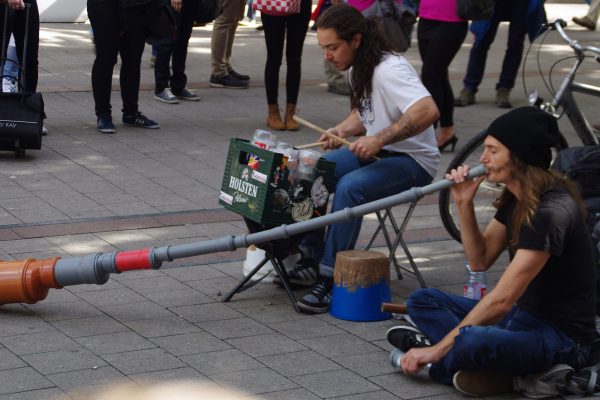
Not only is the didgeridoo one of the world’s oldest musical instruments, it can help treat asthma and sleep apnea. Best of all, anyone can make one out of a plastic pipe.