Cherise Fong a travaillé dans des start-ups web à New York, Monaco et Londres avant de devenir journaliste indépendante. Elle a collaboré notamment avec CNN.com International, MCD, Poptronics… Pour Makery, elle donne des nouvelles des labs et de la culture maker au Japon, aux Etats-Unis et dans le monde entier, et assure également l’essentiel des traductions en anglais.
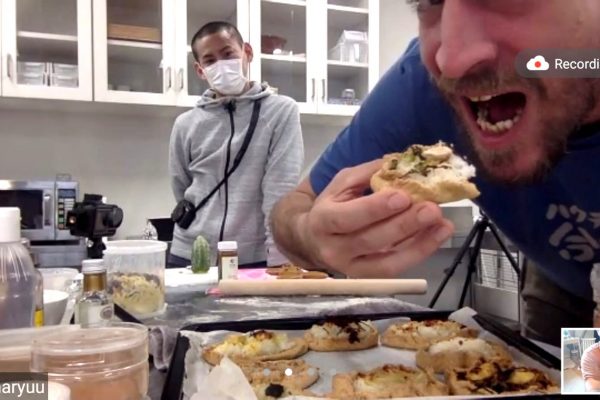
As Oki Wonder Lab gleefully camps out in Okinawa, most Hackterians are stuck indoors. An online KitchenLab hosted live from Helsinki offered an entertaining glimpse of localized baking, while other experiments are fermenting and distilling across the global network.
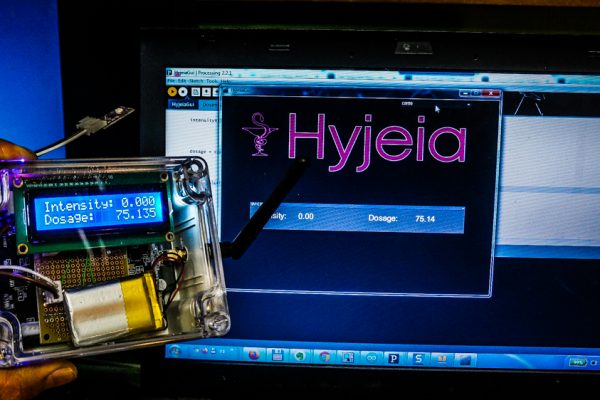
Akiba and his Hackerfarm team have developed an open source system for sterilizing and decontaminating masks or other objects using ultraviolet germicidal irradiation (UVGI).
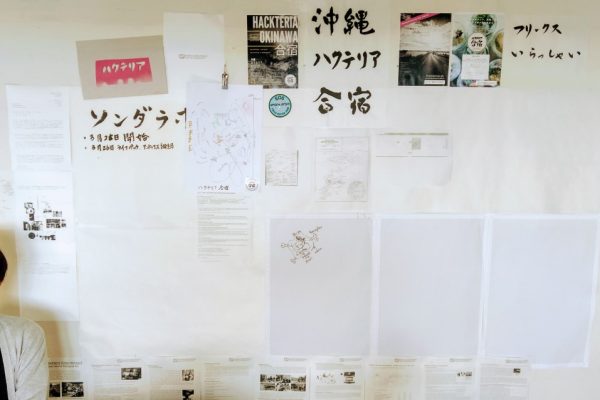
Oki Wonder Lab just may be the most remote un-disciplinary DIYbio camp going on in the world right now. Hackteria’s latest event is currently taking place in Okinawa.
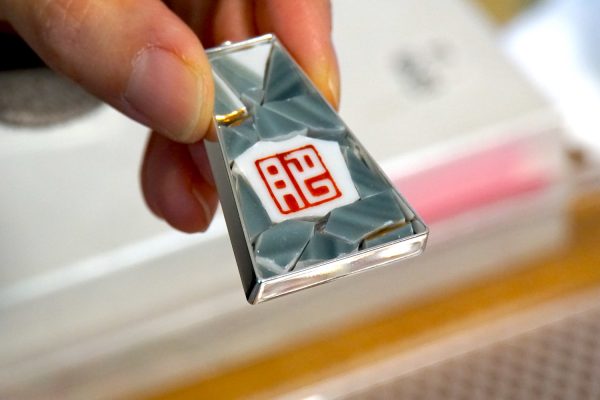
Nine years after the tsunami that devastated northeastern Japan, a team of women in Ishinomaki are upcycling shards of broken pottery into pieces of jewelry that are sold around the world.
Finnish artist Emilia Tikka designs fictions where biotechnologies are used to modify the human genome. Her film “Legacy” was directly influenced by amonthlong research residency in Japan.
As the first Japanese man to be certified in India to practice Ayurveda, Hiroo Komine has more recently expanded his scope of interest to biohacking. Makery met him at Dinacon in Panama.
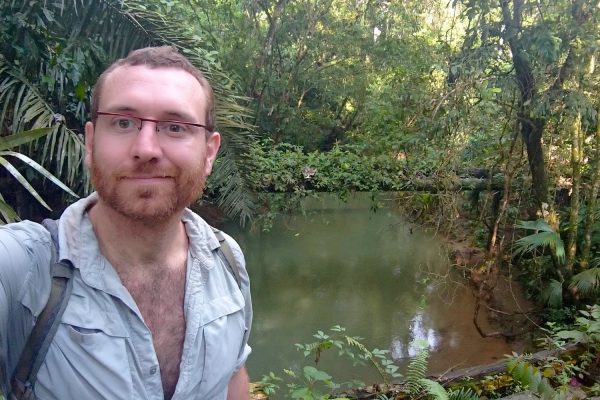
The second edition of Dinacon concluded in Gamboa, Panama, after four very full weeks of August at the intersection of excursions into nature and experimental art-techno projects.
Following its first three weeks of creative activities and jungle adventures, this year’s Dinacon camp exhibited a cross-section of experimental projects in progress.
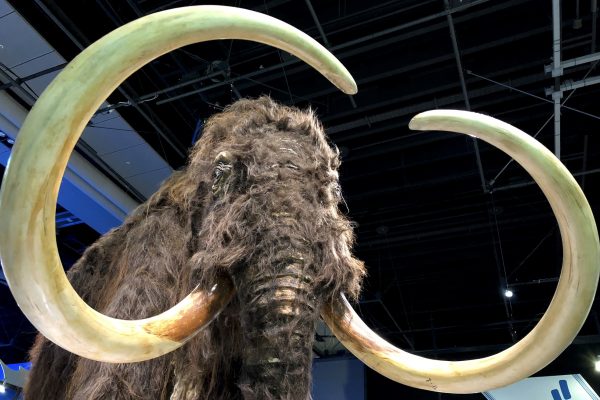
A new exhibition in Tokyo spotlights the woolly mammoth—its genealogy, its fossils, its genome, its de-extinction. Panorama of the issues surrounding this extinct species of the Pleistocene.
Ahead of the 2nd Digital Naturalism Conference in Gamboa, Panama in August 2019, Makery spoke with instigator Andy Quitmeyer about the origins of Dinacon, Dinalab and the whole DiNa movement.
Gathered for a day at Tama Art University in Tokyo, seven professors and researchers in arts and sciences shared their perspectives on life, from biosemiotics to extraterrestrial agents.
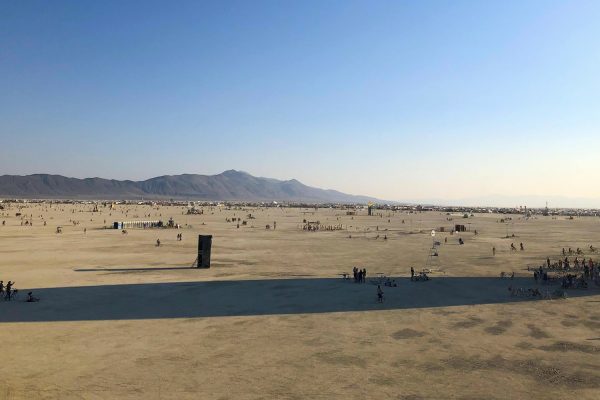
This year, the radically self-reliant Black Rock City in the Nevada desert will face a new challenge: top-down, tone-deaf intervention. Yet, inner passion still prevails in the voices of Burning Man past and present.
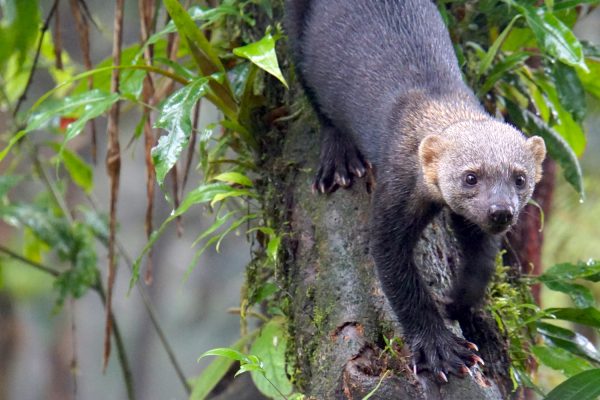
The Ecuadorian Mashpi bioreserve reconciles luxury ecotourism, natural conservation and local ecology. An exemplary project in an extraordinary location. Makery went on site.
In Tokyo, a small startup is preparing a dazzling spectacle of shooting stars to launch above western Japan in spring 2020. Makery visited ALE a few weeks before it launches its first satellite into orbit.
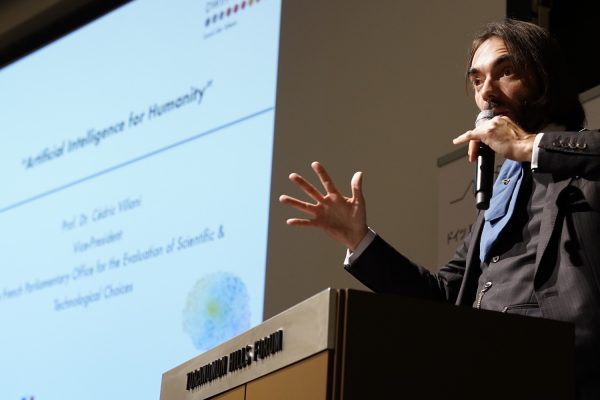
The 1st Japanese-German-French symposium on research, applications and issues surrounding artificial intelligence was held in Tokyo on November 21-22, 2018.
Over the past ten years, a number of startups have been busy in the lab developing new materials for the textile industry. But when will we all be wearing high-tech ecofabrics?
In California, community biology laboratory BioCurious is a catalyst for innovation in biotechnology, where biohacking is accessible to anyone. Makery stopped in for a visit.
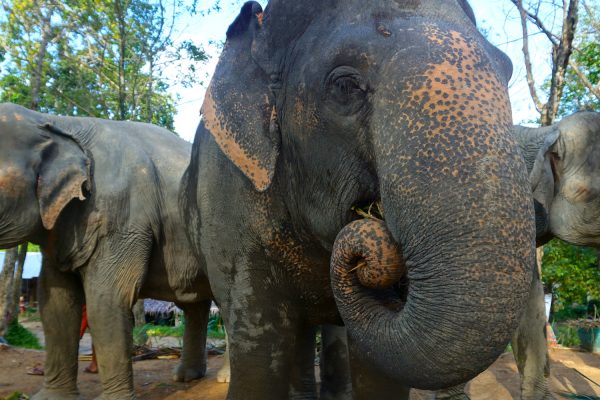
Care to ride an elephant? Give it a second thought. In Thailand, several dedicated sanctuaries are rescuing elephants from the tourism industry and offering them retirement. Makery visited one.
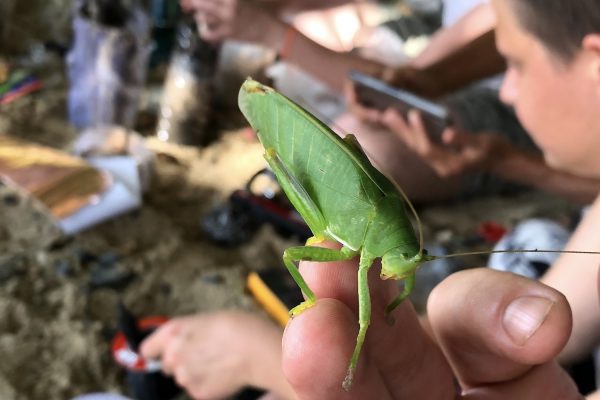
Inspired by the Slovenian PIF Camp, the first Digital Naturalism Conference hosted more than 80 scientists, artists, hackers and makers on an island in Thailand from May 26 to July 8.