
Kompost Zone: Thinking Münster through the lens of decay!
On 25–26 June 2026, the regional Soil Assembly titled “Kompost Konferenz” took place in Münster, Germany. The event was held under the motto “Thinking Münster from the Perspective of Decomposition”, focusing on composting and socio-ecological transformation.
The conference took place at the Haus der Nachhaltigkeit (House of Sustainability) of the City of Münster and at the Querbeet Community Garden in the Schlaunschen Garden. It was organized by StadtLabor Münster in cooperation with the Department of Green Spaces, Environment and Sustainability of the City of Münster and Caritas Münster. The conference formed part of the Soil Assembly, an international network dedicated to soil care that organized a Europe-wide series of events on soils during 2026 with the support of the SoilTribes Horizon Europe program. The program will culminate with an international Soil Assembly conference at Spore Initiative in Berlin, 23-25 January 2027.
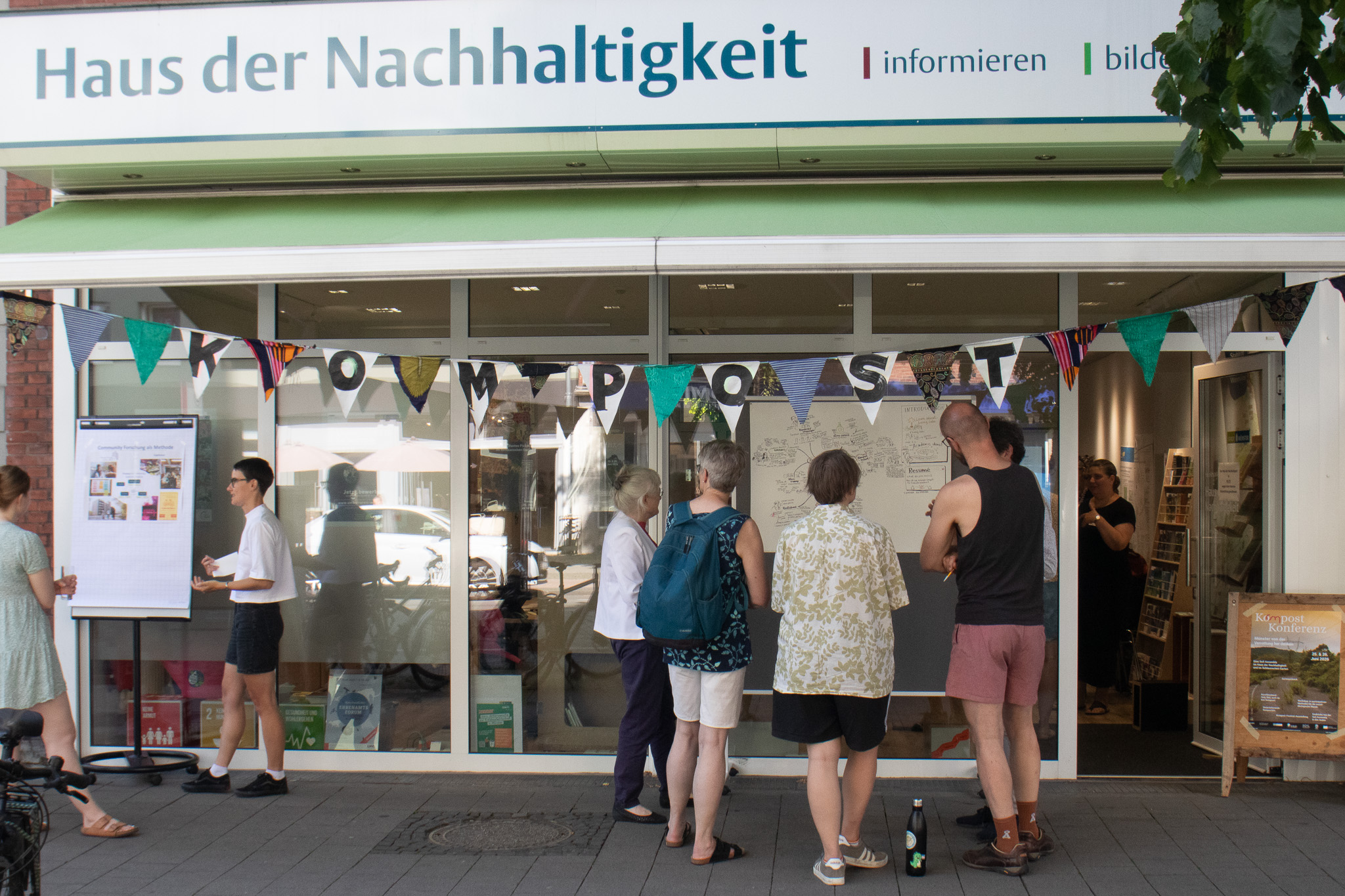
On Thursday, 25 June, the programme at the House of Sustainability began with a guided tour of the travelling compost exhibition. The exhibition traced the development of the Kompost Festival in Münster (2022–2024) and highlighted its connections to the #2 Soil Assembly in Ecuador (2025) and India (2023 & 2026). The tour offered insights into local and global meeting points for human–soil care and collaboration. Among the featured materials were the Compost Festival Storymap Münster and the Planetary Storymap.
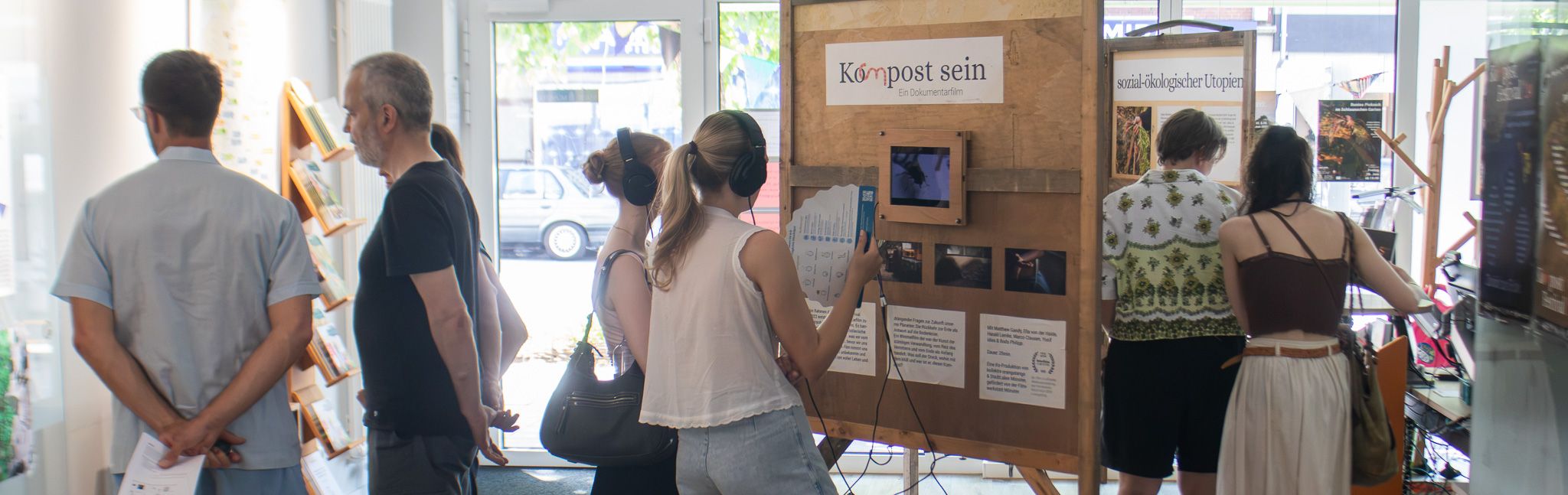
This was followed by a discussion entitled “Shit & Compost – What Should We Do with Waste?”, which focused on the practical use of compost toilets. Roland Wolf from NetSan, a pioneer of dry sanitation systems and a long-standing partner of the Kompost Festival, shared insights from his practice-based research and many years of experience with composting and urine-diverting dry toilets. Nikolai Wystrychowski, from Hansaflotte, presented experiences from “Das mobile Klo” (The Mobile Toilet), a Münster-based project dedicated to compost toilet solutions. The mobile toilet itself was also presented on site.
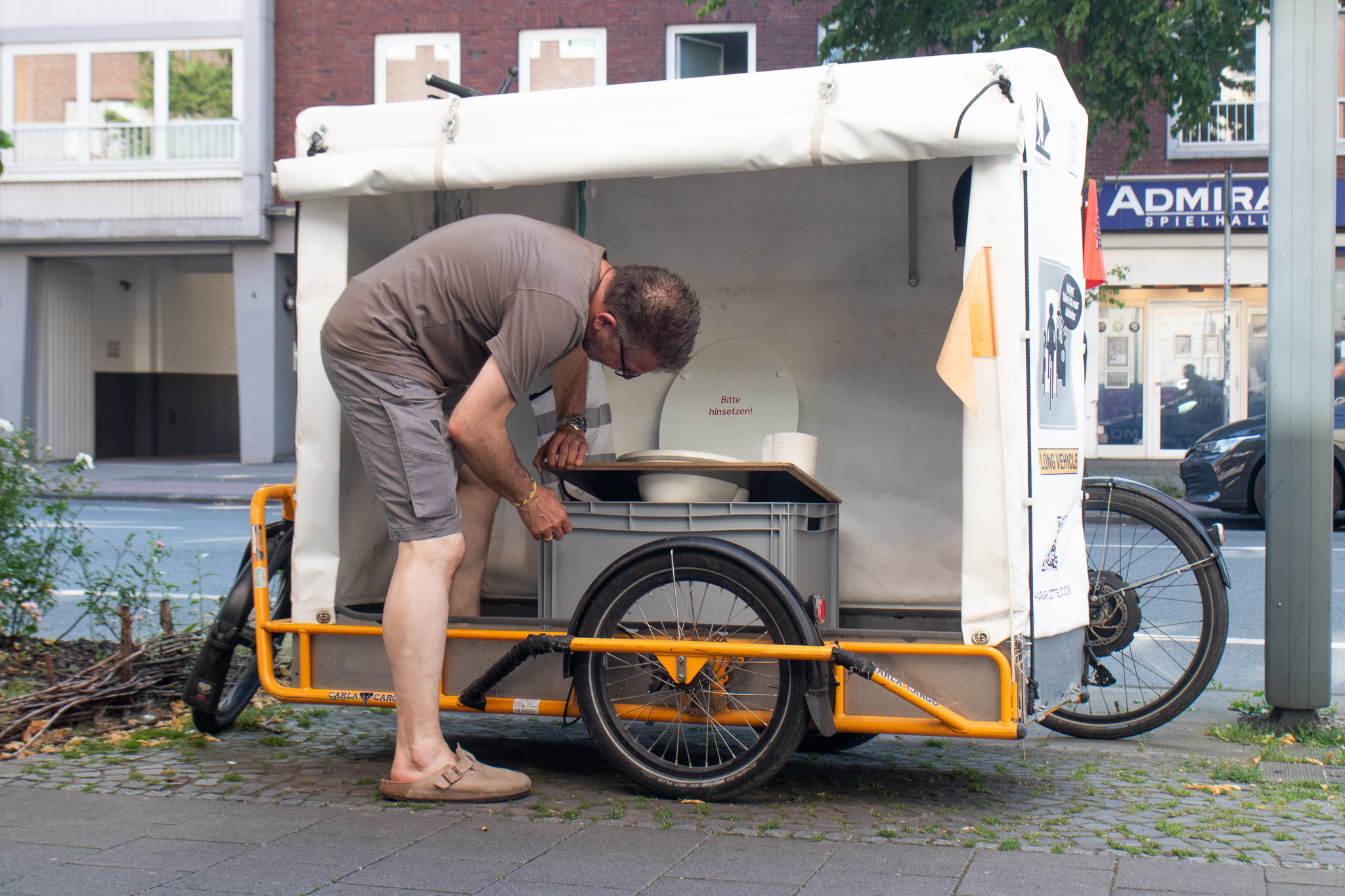
The day concluded with a selection of audiovisual works from Kompost Zone, including excerpts from the documentary films “Kompost Sein” and “Holy Shit.”
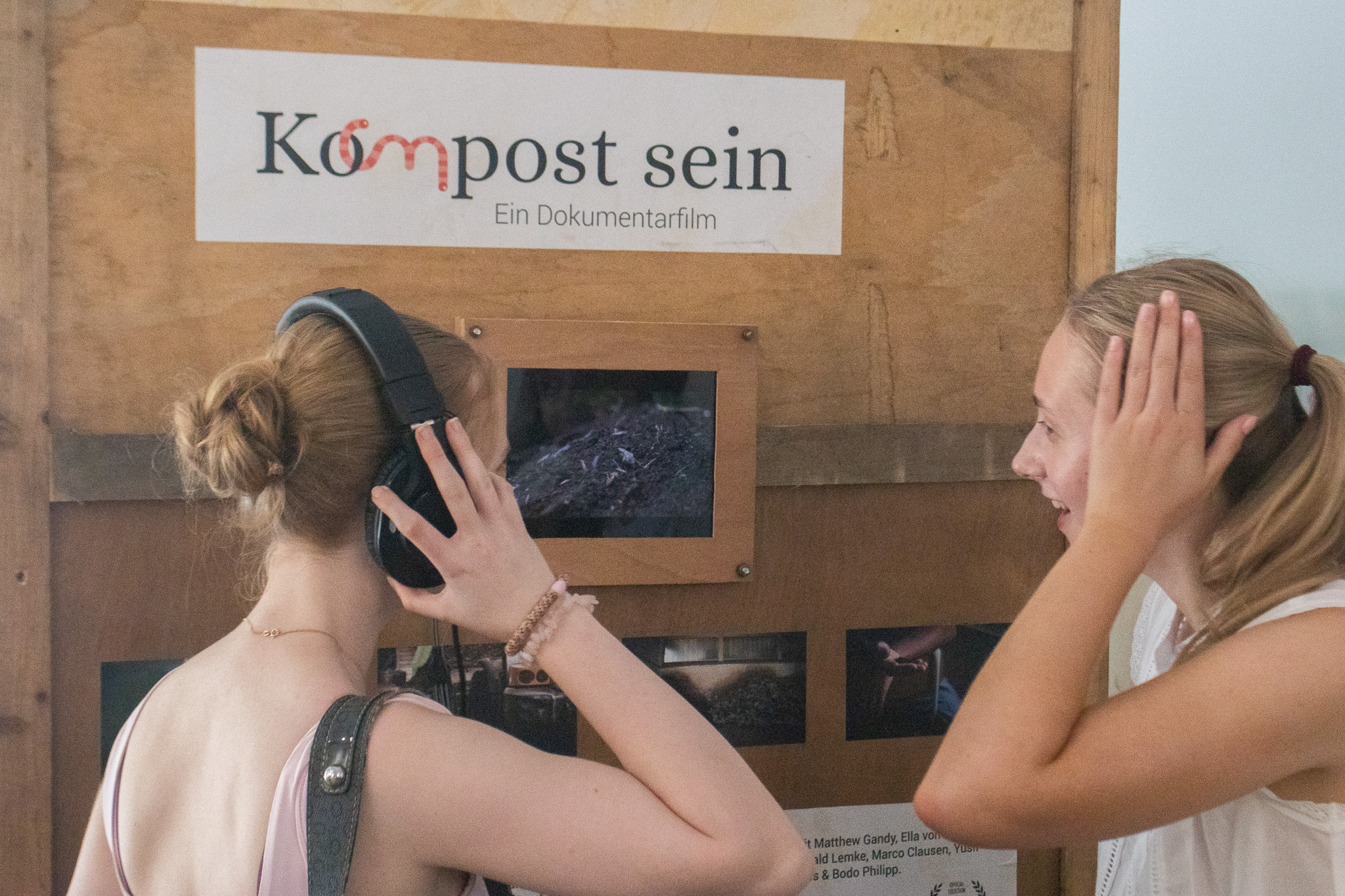
Kompost Sein / Being Compost, by kollektiv orangotango & StadtLabor Münster (2022):
Socio-ecological transformation of cities: human-soil perspectives
On Friday, 26 June, a transdisciplinary stakeholder workshop focused on the socio-ecological transformation of cities, using human–soil relationships as one of its central themes. Drawing on concrete projects from Münster as well as other cities in Germany and across Europe, participants presented best-practice examples, explored transformative approaches to urban development, and discussed desirable pathways for Münster’s future. The workshop brought together invited representatives from politics, public administration, academia, and civil society to jointly explore the potential of participatory research and collaborative governance in advancing Münster’s socio-ecological transition.
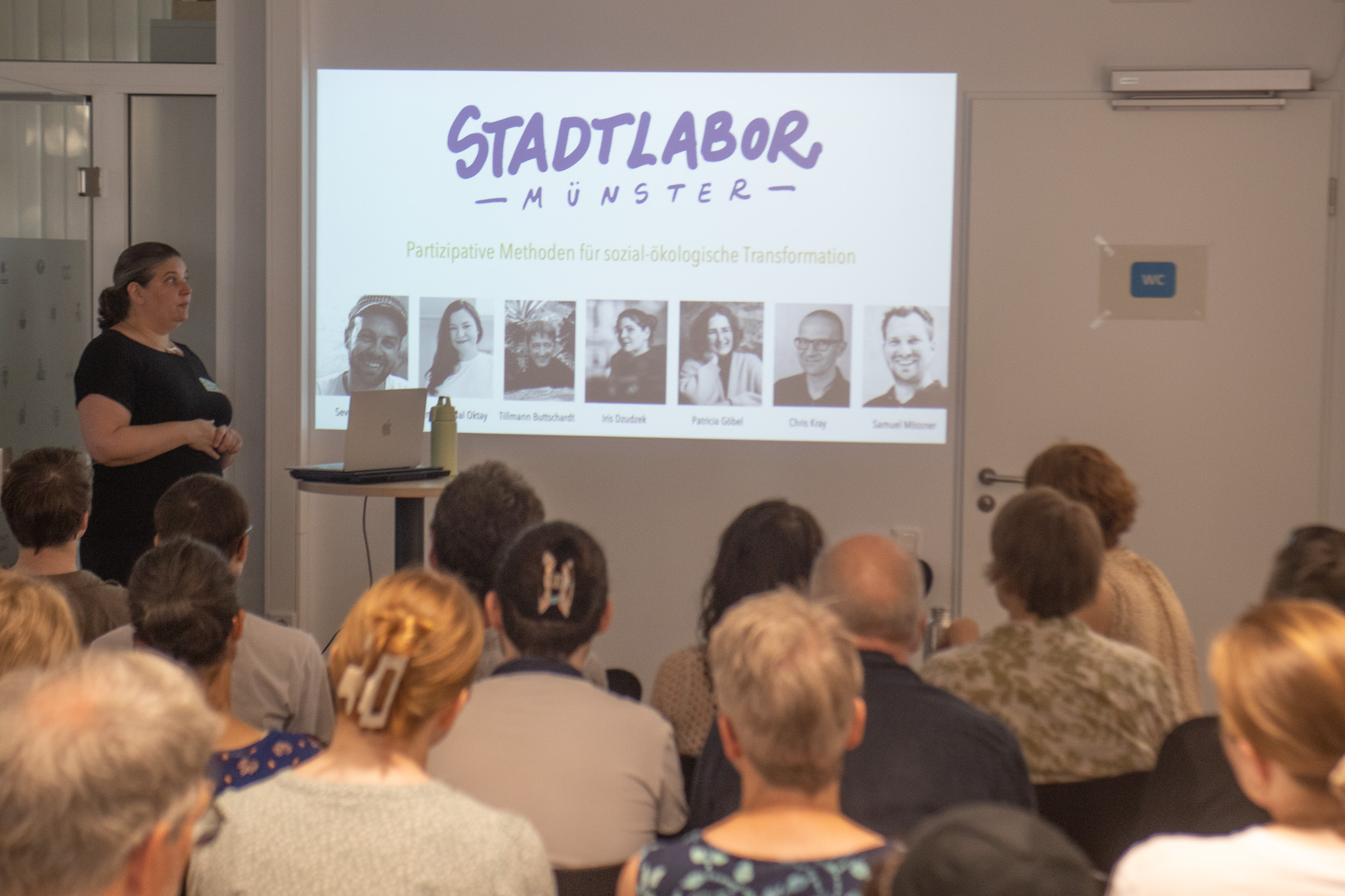
The workshop was organized by StadtLabor Münster in cooperation with the House of Sustainability of the City of Münster. StadtLabor Münster is the initiator of the Kompost Zone research project. In the opening session, Professor Dr. Iris Dzudzek, spokesperson for StadtLabor Münster, provided an overview of transformative participatory approaches. Over the past five years, StadtLabor has developed and tested innovative formats for sustainable urban development both within the framework of Kompost Zone and in related projects. These include participatory action research, community-based urban development, critical cartography, stakeholder mapping, and citizen science. The initiatives address topics such as, human–soil relationships, sustainable food systems, circular economy practices, community-based health research, sustainable mobility, and groundwater protection, while combining academic research with the knowledge, experience, and engagement of local communities. Dr. Annette Bathen (Die Urbanisten, Dortmund) presented projects on urban production that strengthen self-organization and community-led initiatives.
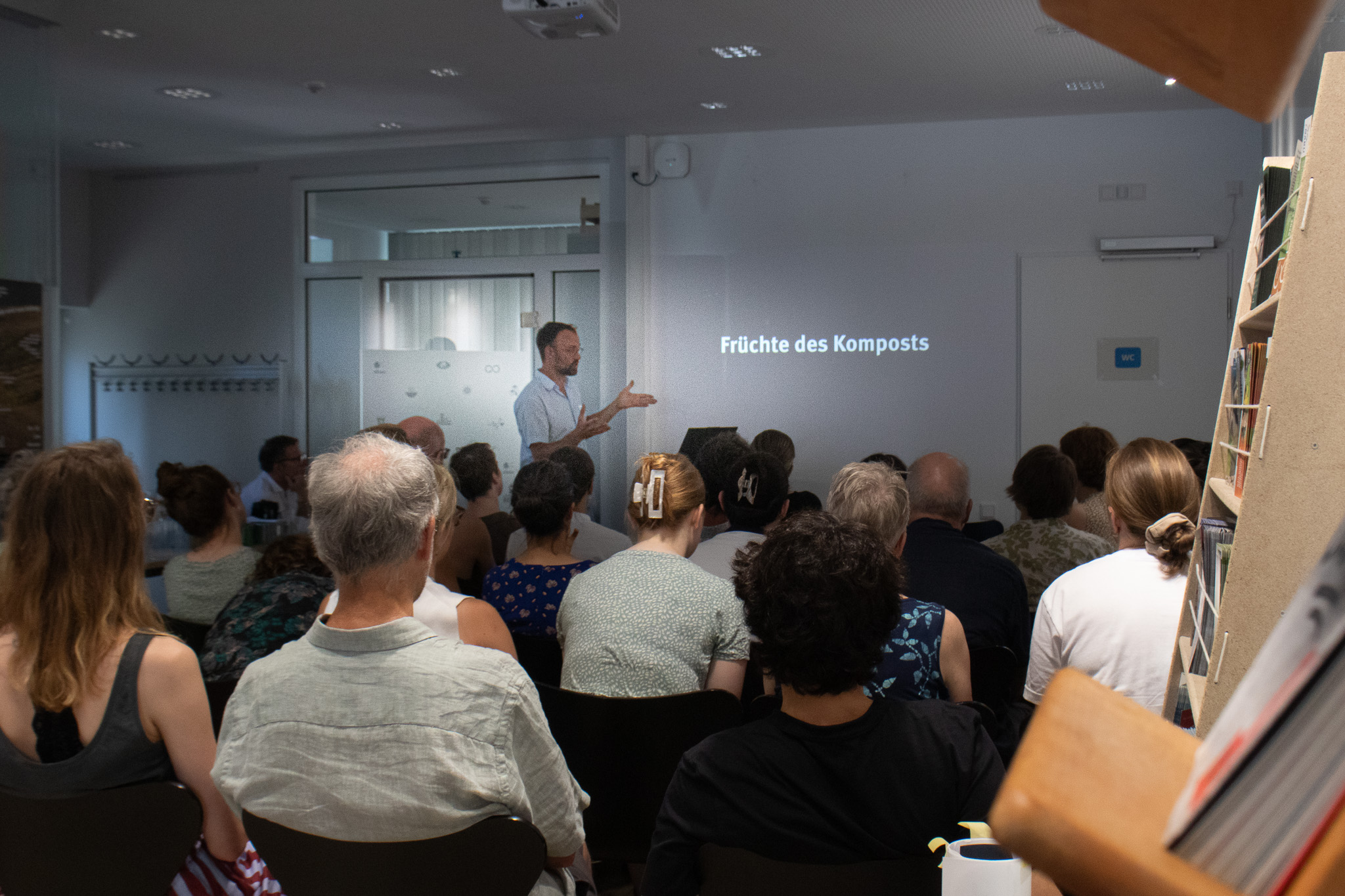
Dr. Severin Halder introduced the Kompost Festival as an innovative approach to fostering collective learning about soil, circular systems, and sustainable human–soil relationships. Through artistic practices, public participation, and innovative science communication, the project enriches socio-ecological research while addressing the multiple crises of the Anthropocene from the perspective of the soil crisis. Positioned at the intersection of geoscience, civil society, art, and urban ecological practice, the project focuses on processes of living regeneration and socio-ecological transformation. Through participatory science communication—including Compost Festivals and documentary films—it demonstrates how the global soil crisis can be addressed through transdisciplinary dialogue between Earth system sciences, related academic disciplines, artists, and practitioners from fields such as agriculture, food systems, upcycling and recycling, and circular sanitation systems. Particular emphasis is placed on practical strategies for addressing the global soil crisis, including neighbourhood-scale community composting systems and participatory research on the use of recycled urine fertilizer in urban gardens.
Building on these presentations, participants worked in interdisciplinary groups to develop ideas for future transformation projects in Münster. One of the most dynamic discussions took place in the working group on soil and groundwater, facilitated by Dr. Severin Halder and Dr. Patricia Göbel. Participants explored opportunities, methods, and barriers related to soil sealing, depaving, and the development of sponge city strategies. Other working groups, led by Prof. Tillmann Buttschardt and Dr. Cornelia Steinhäuser, focused on soil health and sustainable land management within the context of an agroecological transformation of agriculture. These working groups will continue to develop and test their ideas collaboratively within a future real-world laboratory (Reallabor).
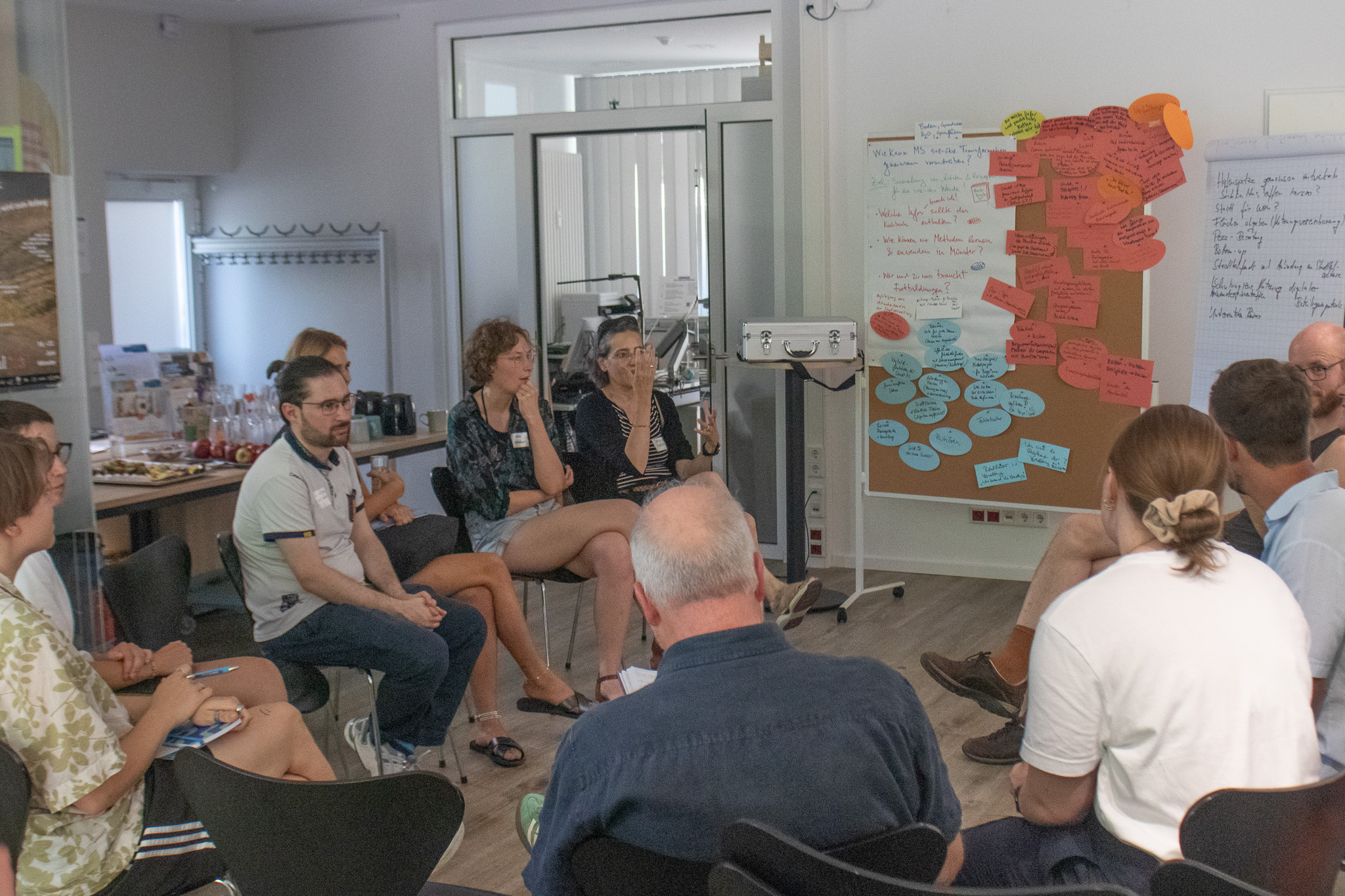
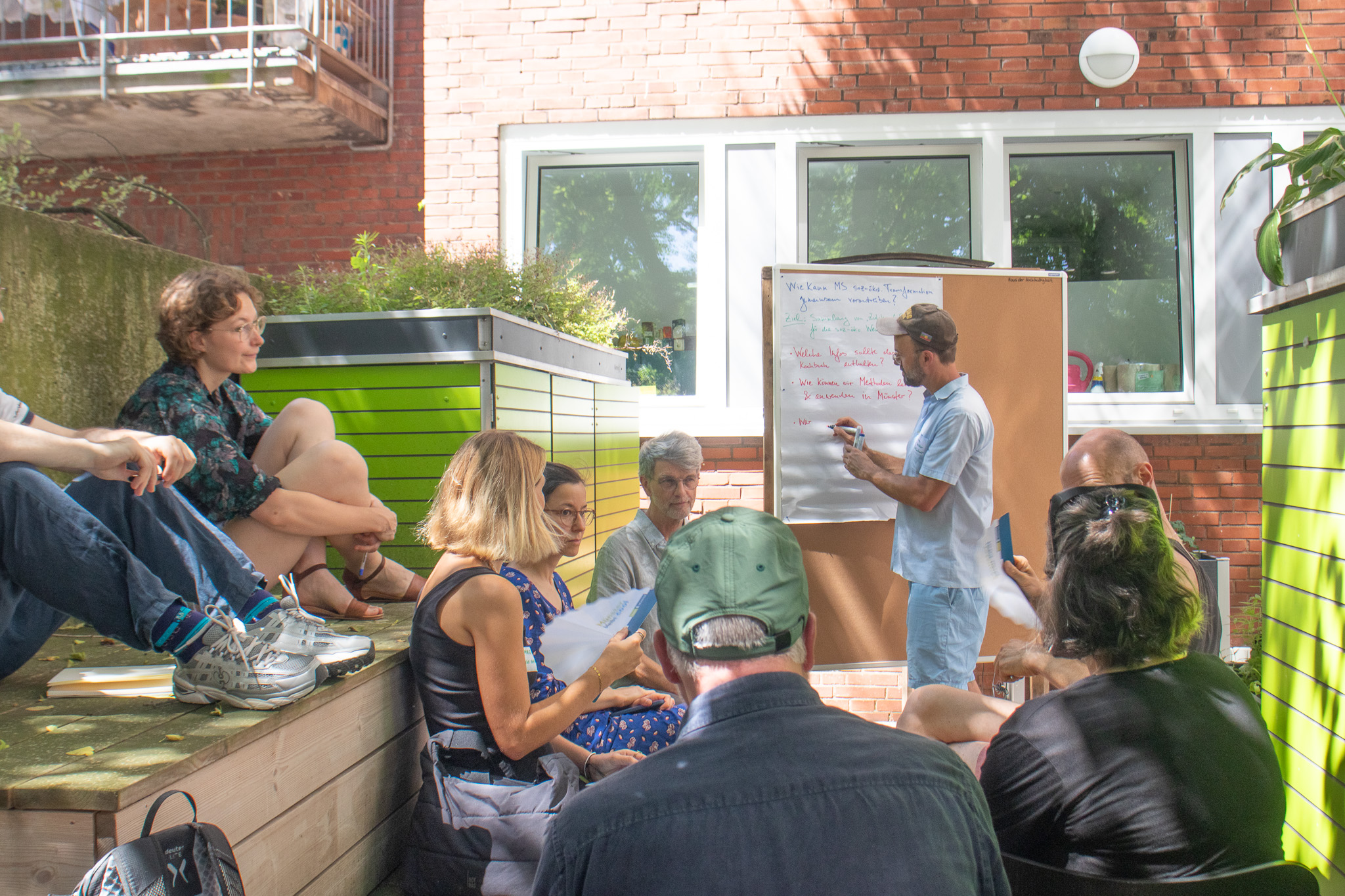
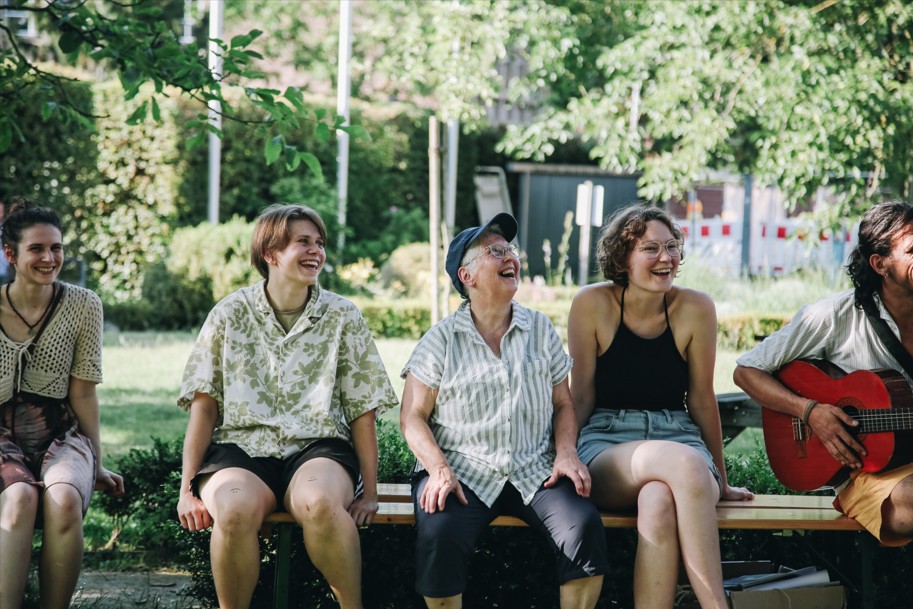
Following the workshop, an open garden picnic took place in the Schlaunscher Garden in cooperation with the Querbeet Community Garden. In a relaxed and convivial atmosphere, participants exchanged ideas about different ecological cycles and forms of sustainable living. The picnic created a welcoming space for conversation, connection, and reflection—bringing people together while encouraging new encounters and perspectives.
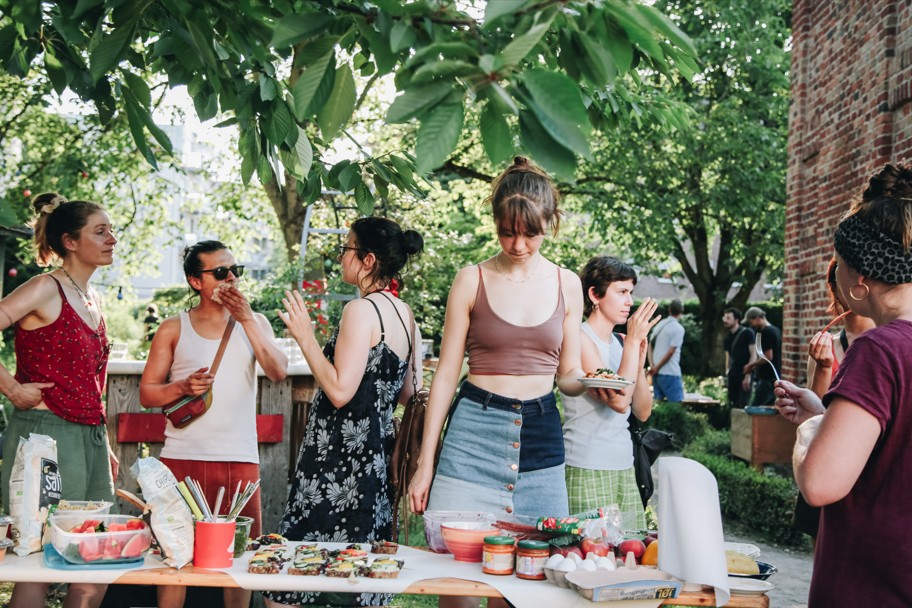
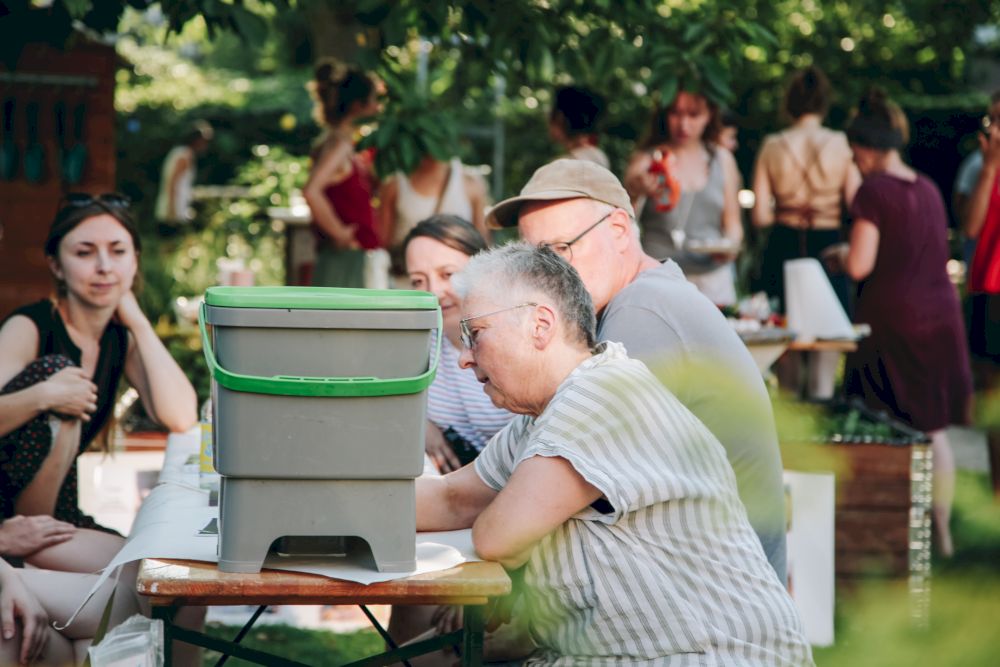
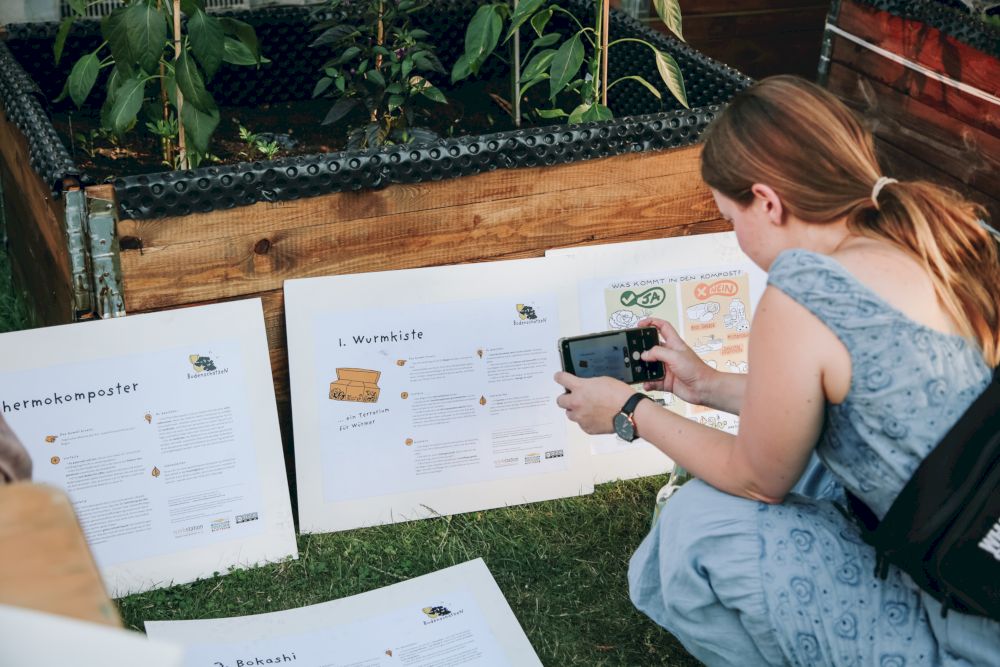
The programme offered a wide range of activities. Participants joined a guided tour of the Querbeet Community Garden, attended a Bokashi composting workshop led by Barbara Schwarzkopf, and received practical composting advice from Stephan Grote, a specialist advisor for allotment gardens. Visitors could also explore a photography and poetry exhibition presented by the community garden Unser Aller Garten.
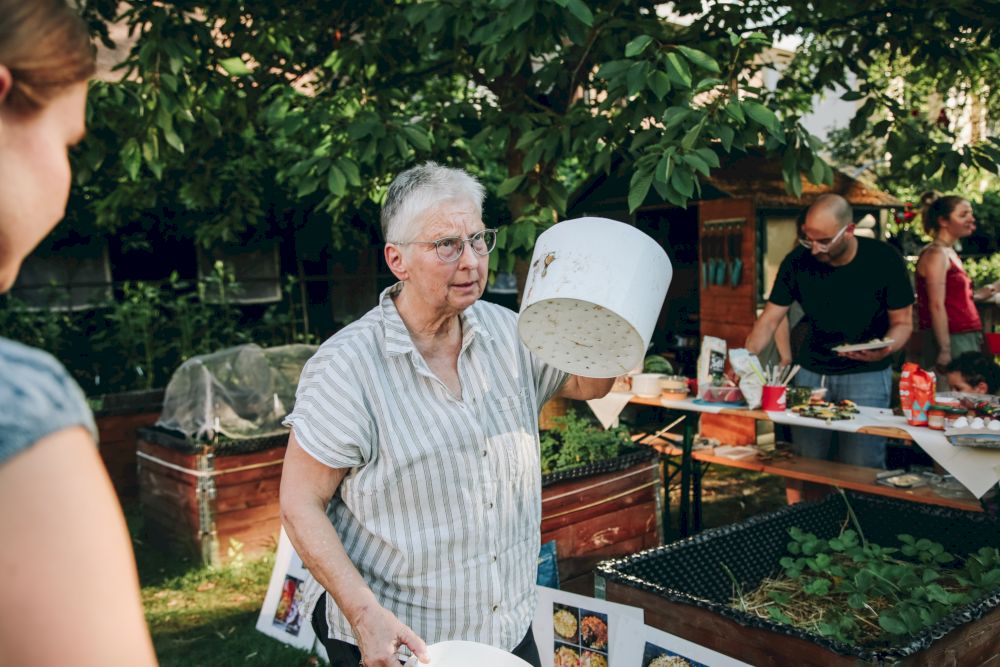
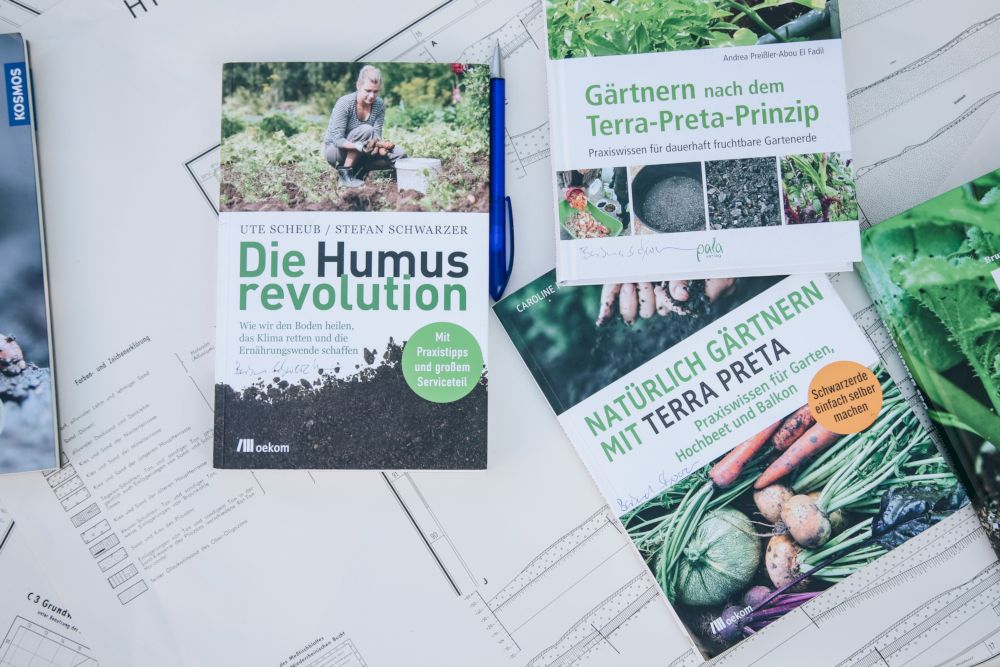
In addition, the Grün statt Grau (Green Instead of Grey) Depaving Initiative, part of the nationwide Abpflastern campaign, hosted an information stand on urban depaving and climate adaptation. A Mexican artist facilitated a hands-on clay art workshop, while a book table and a wide range of informational materials invited further exploration of topics related to sustainability and soil care. The event was complemented by a self-organized shared buffet, the travelling Compost Exhibition, and music on vinyl as well as live performances.
The gathering concluded with a participatory workshop that marked the closing of the Compost Festival cycle in Münster. The workshop was conceived as a conscious moment of both ending and renewal—bringing to a close the festival cycle, the social experiment, and the many forms of collaboration that had emerged over the years. Inspired by the compost-based idea of cyclical life—a recurring theme throughout the Compost Festival—the session invited participants to reflect on cycles of transformation, decomposition, regeneration, and new beginnings. Its aim was to create a shared space for both farewell and renewal, acknowledging past experiences while opening possibilities for future collaborations.
More on Kompost Zone and Soil Assembly.