
At Kerminy, building common ground from the soil up
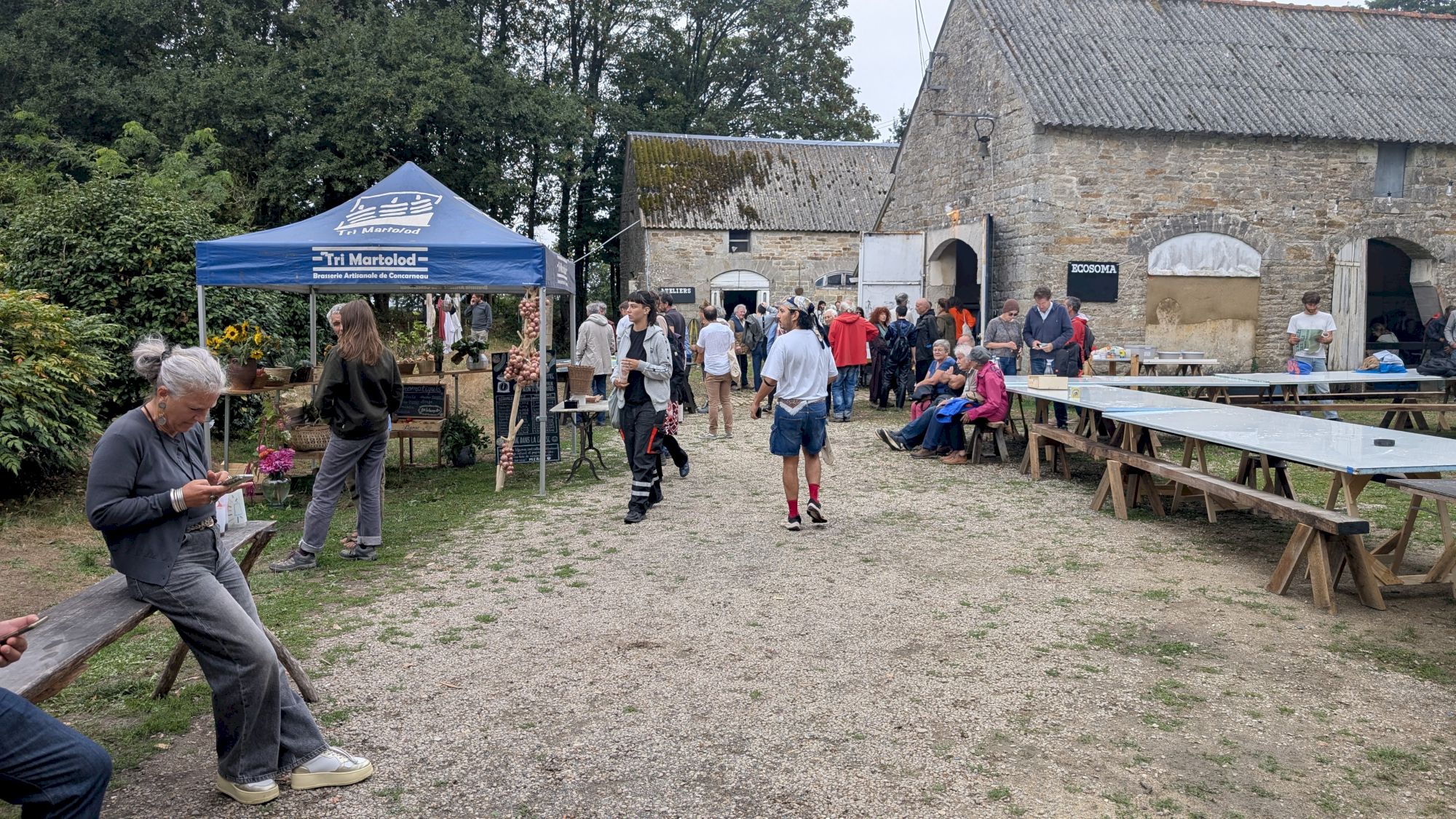
The Assemblée des sols, the regional Soil Assembly in Brittany, France, gathered, on August 28-30, at the end of an overheated summer, around two hundred people at the Kerminy artistic and agricultural farm. The purpose was to share, in a situated manner, ideas, questions, practices, and experiences around the urgency of caring for our soils to keep them alive.
The Kerminy Assemblée des sols is part of the Soil Assembly project which, since 2022, has been networking international events (one per year) and translocal events (several per year, in short circuits) around concerns for the living soil that sustains and nourishes us. Regional Soil Assemblies, including the one in Kerminy, are organized within territories based on the questions that traverse them and the practices that inhabit them. Various projects and places committed to the struggle for knowledge and the regeneration of living environments thus get involved. At Kerminy, a program was offered blending moments of shared speech, practical workshops, film screenings, and artistic performances.
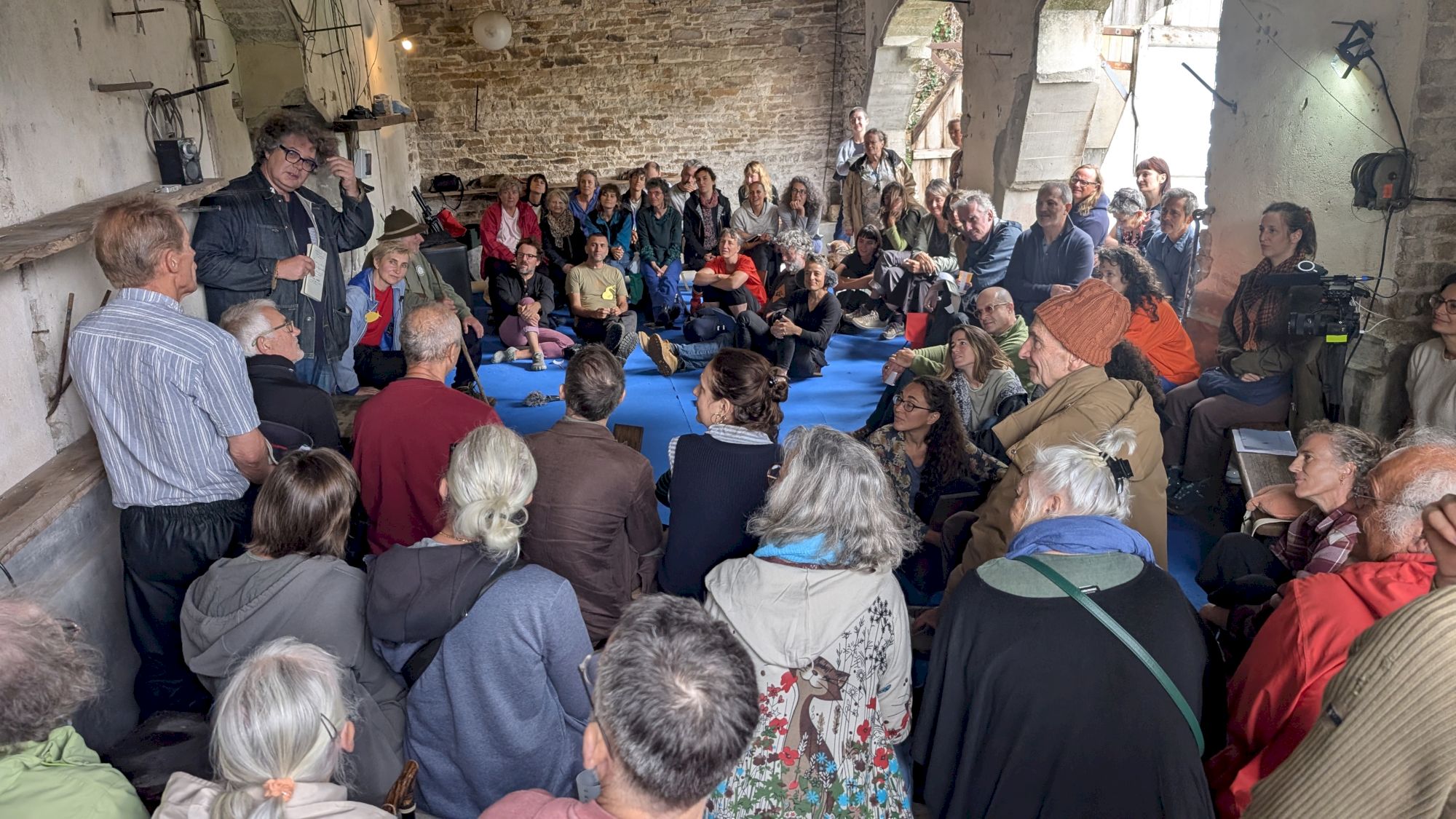
A heritage, agricultural, and artistic site located in the heart of Breton Cornouaille, Kerminy defines itself as an “oeuvre-milieu” (“artwork-environment” – NDT) enabling the flourishing of living pedagogies in a “territory-school.” Since its creation in 2020, Kerminy has brought together agriculture, artistic and sound practices, research, ecosomatic approaches, craftsmanship, education and low-tech making. The site is inhabited year-round by artist-farmers who are actively involved in its activities, and welcomes a constantly changing community of students, teachers, researchers, artists and activists. But Kerminy’s inhabitants are not only human. Donkeys, cattle, sheep and many other animals live alongside trees, hedgerows, wild and cultivated plants, springs and their emerging waters. Traditional tools are also part of this living ecosystem, often reimagined and adapted to contemporary needs: a cider press, sickles, seed mixers, low-carbon seeders and mowers, and many others.
Together, this diverse constellation of biotic and abiotic actors participates in co-creating more regenerative ways of inhabiting the Earth. Through these encounters and shared practices, Kerminy explores how we might live together differently — and helps shape the conditions for a desirable future.
If the soil naturally resonates as that which supports us and which our feet tread upon, water — and the ocean in particular — is deeply interconnected with terrestrial environments, receiving from them both nutrients and pollution. Kerminy’s very geographical setting illustrates this interconnection. Located some twenty kilometres from the sea, the estate lies within the Aven watershed, whose waters connect the inland landscapes to the estuaries of the Aven and Bélon before flowing out into the ocean.
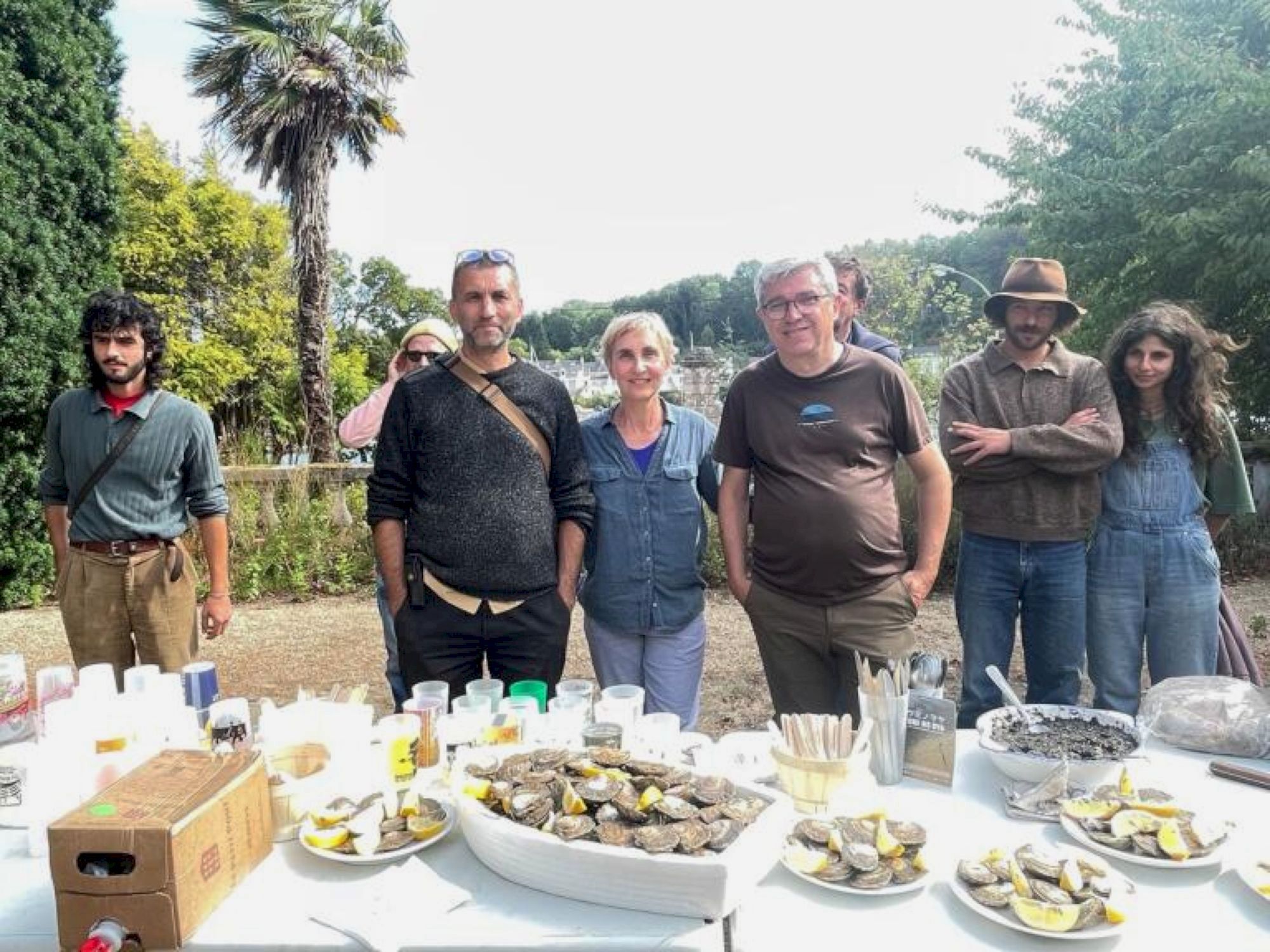
It is therefore no coincidence that the Assembly of Soils begins and ends with the marine environment. At its opening on Friday, 28 August, the documentary film Umi no Oya by Ewen Chardronnet and Maya Minder, immersed us in the recent history of Nori seaweed cultivation in Japan. We learned that an English biologist is honoured every year by the oyster-farming community of the Ariake Sea for having, during the difficult post-war period, introduced their ancestors to a technique based on the symbiotic relationship between Nori and oyster shells, enabling them to dramatically increase their productivity. To close the Assembly on Sunday, 30 August, the event moved to the Château de Bélon Oyster Farm, where a second documentary by the same filmmakers explored, together with German researcher Christine Ewers, the biogenetic history of the native European flat oyster(Ostrea edulis), a species whose history has been profoundly shaped by human activity since the Industrial Revolution. Once widespread throughout Europe, the flat oyster has now become increasingly rare. Historically, extensive beds of Ostrea edulis covered large areas of Europe’s coastal waters. A recent historical study documented 1,196 locations of reef structures across Europe, many of them in France. Today, the flat oyster accounts for only around 2% of European oyster production; the remainder consists largely of Pacific cupped oysters (Magallana gigas), introduced in the 1970s. Only a handful of sites still produce flat oysters, including Bélon — making it possible to end the Assembly with a tasting in the grounds of the Château.
Umi No Oya (2025), trailer:
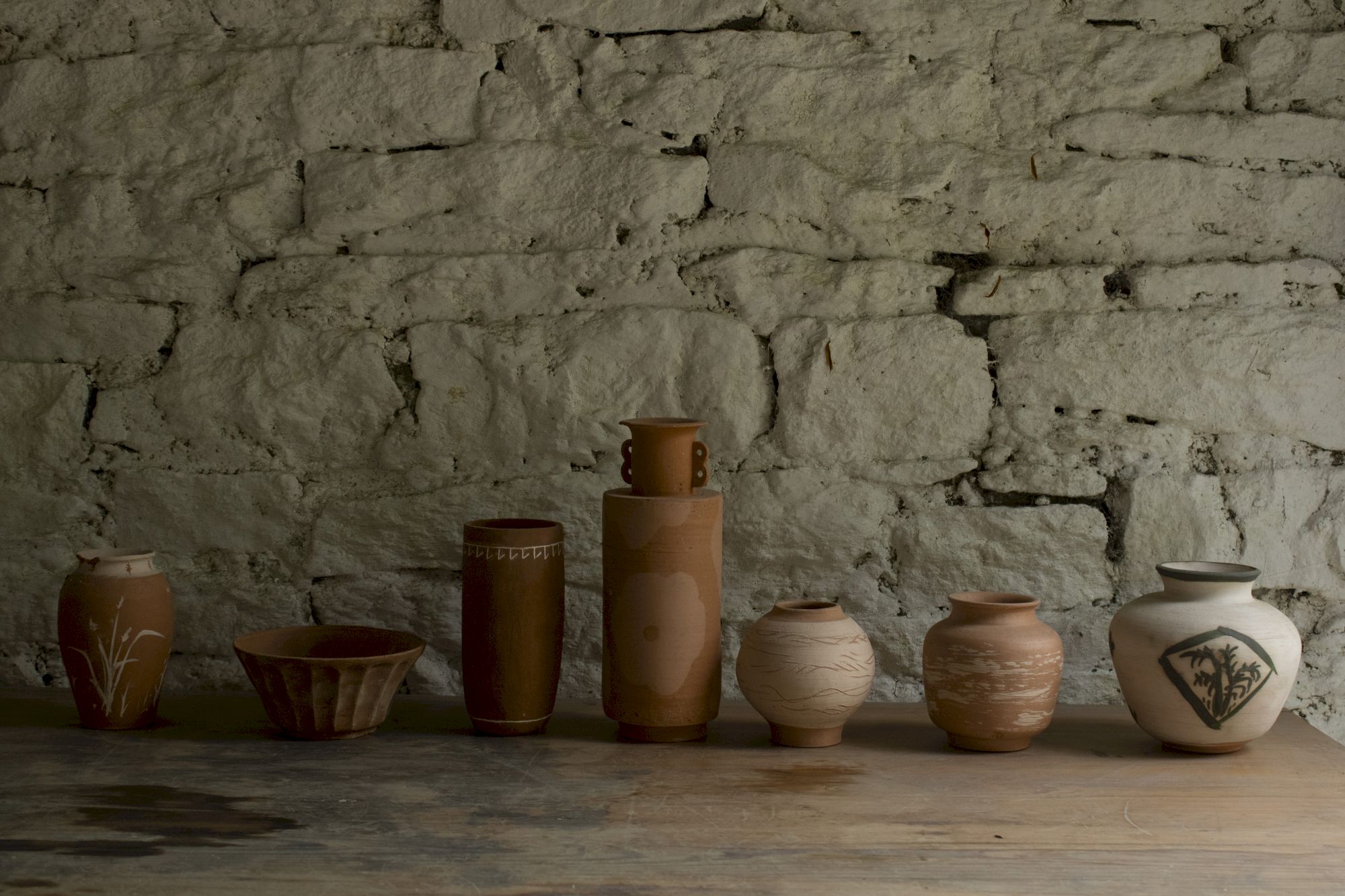
In this same context, artist Malo Legrand, a permanent resident at Kerminy, presented Douar Tan Mor (Earth · Fire · Sea), an experimental art and ceramics project exploring the connections between terrestrial and marine worlds. Wild clay collected from the inland landscapes of Argoat and shaped at Kerminy was to be fired in a primitive kiln built directly on the foreshore from materials found on site. The rising tide would interrupt the firing process and leave its imprint on the transformation of the pieces.As the performance could not take place due to fire-prevention restrictions, it has been postponed. An archaeology of the present will then see the objects scattered along the Bélon River, imbued with the materiality of the surrounding landscape.
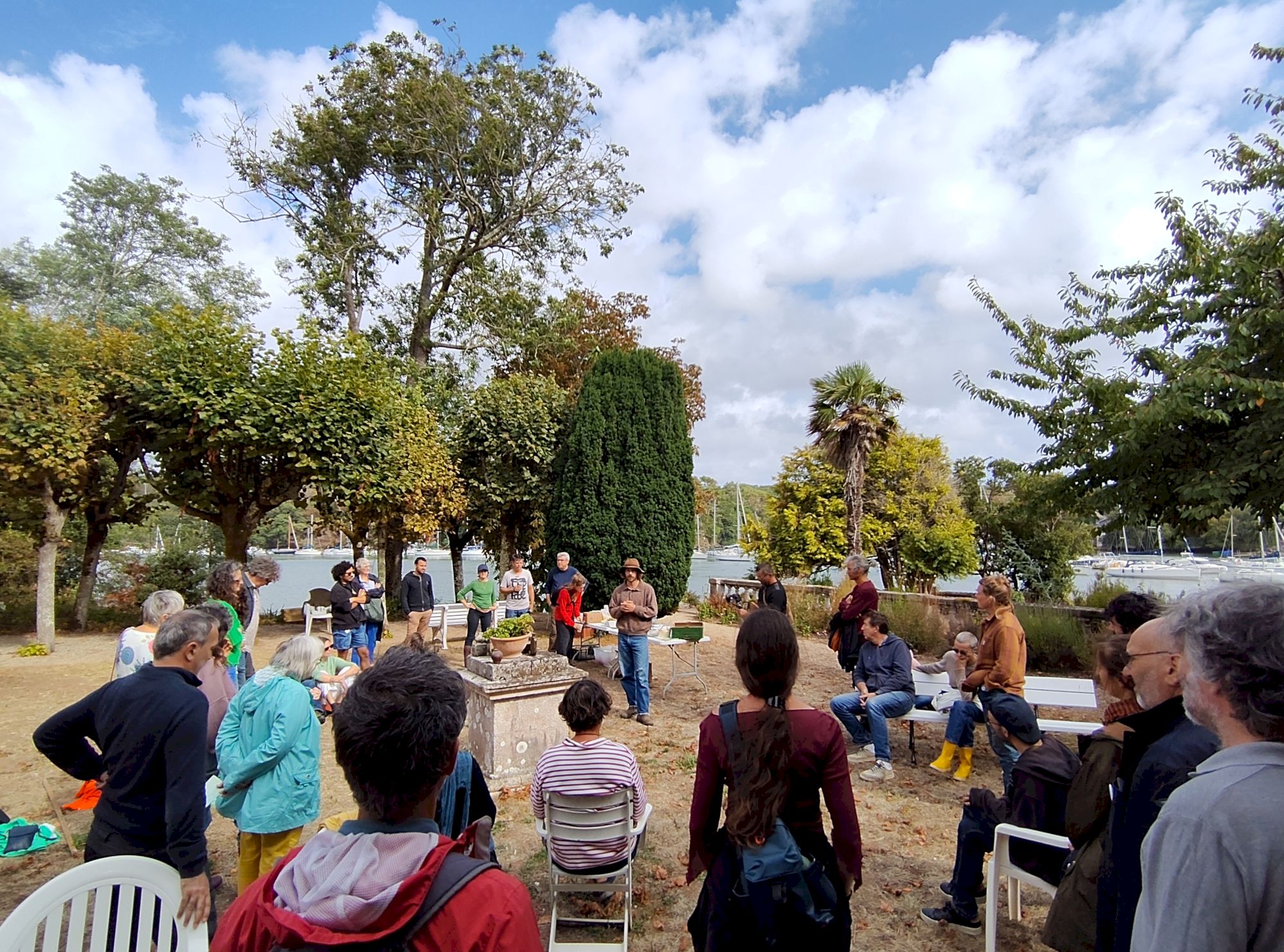
Between these two moments turned towards the sea, the main part of the programme, on Saturday 29 August, took place inland, around reflections and practices aimed at “circulating knowledge, skills and experiences, and putting soils back at the heart of the ways in which we inhabit a territory.”
A “regional assembly” brought together farmers and local residents, as well as artists, researchers and activists from the region and beyond, to discover the place and its philosophy, alongside the related approach of Soil Assembly. With a practical focus, the community was invited to consider three questions, whose collectively shared answers could serve as a ferment for future developments: What do we want to circulate through this assembly? What do we want to pass on to this assembly? What do we want to invent with this assembly?
The semantic distinction between circulation, transmission and invention points to different levels of action and contribution. To circulate means to permeate the shared space with meanings, ideas, gestures of care, intentions and questions; to transmit refers to sharing knowledge or experience that one feels entrusted with; and to invent means articulating desires for a shared future.
Taken as a whole, the many responses expressed an urgent need to pay attention to our living environments and to develop practices, tools and structures to support their regeneration — while also invoking values such as joy and love.
A “compost of ideas” allowed multiple desires to ferment: a desire for collective action, resilience, a decentered perspective, unconditional inclusivity, a pedagogy of and through the living world, and a way of life that exchanges “carbon-based” comfort for meaning.
Concrete proposals also emerged, such as using geo- and bio-based materials in construction, developing a podcast to help local authorities heal their soils, or, with both an artistic and political ambition, urgently creating a “new PAC” (Pratiques d’Alliance et de Circulation — Practices of Alliance and Circulation), conceived as a support fund bringing together knowledge, skills and resource places.
Participants broadly agreed on the need to restore a political dimension to farming as a profession, relegating the notion of the “agricultural operator” to the category of euphemisms produced by productivist capitalism.
After a lunch of galettes and crêpes made with local produce, the afternoon was divided between a “village of practices” — a series of workshops for sharing skills and knowledge related to caring for and listening to soils — and a series of talks.
The latter explored two essential aspects of the Kerminy project. The first was the hybridisation of agroecological, craft and artistic practices. Under the title “Half-Farmer / Half-X”, a discussion brought together Japanologist geographer Leila Chakroun, the site’s partner farmers Jean-Bernard Huon, Sébastien Furic and Marius Reverdy, and Kerminy’s artist-farmers.
The second, a discussion entitled “Making School / Making Commons”, brought together researchers and educators to explore pedagogies rooted in living environments, experimenting in the field with a de-anthropocentred perspective.
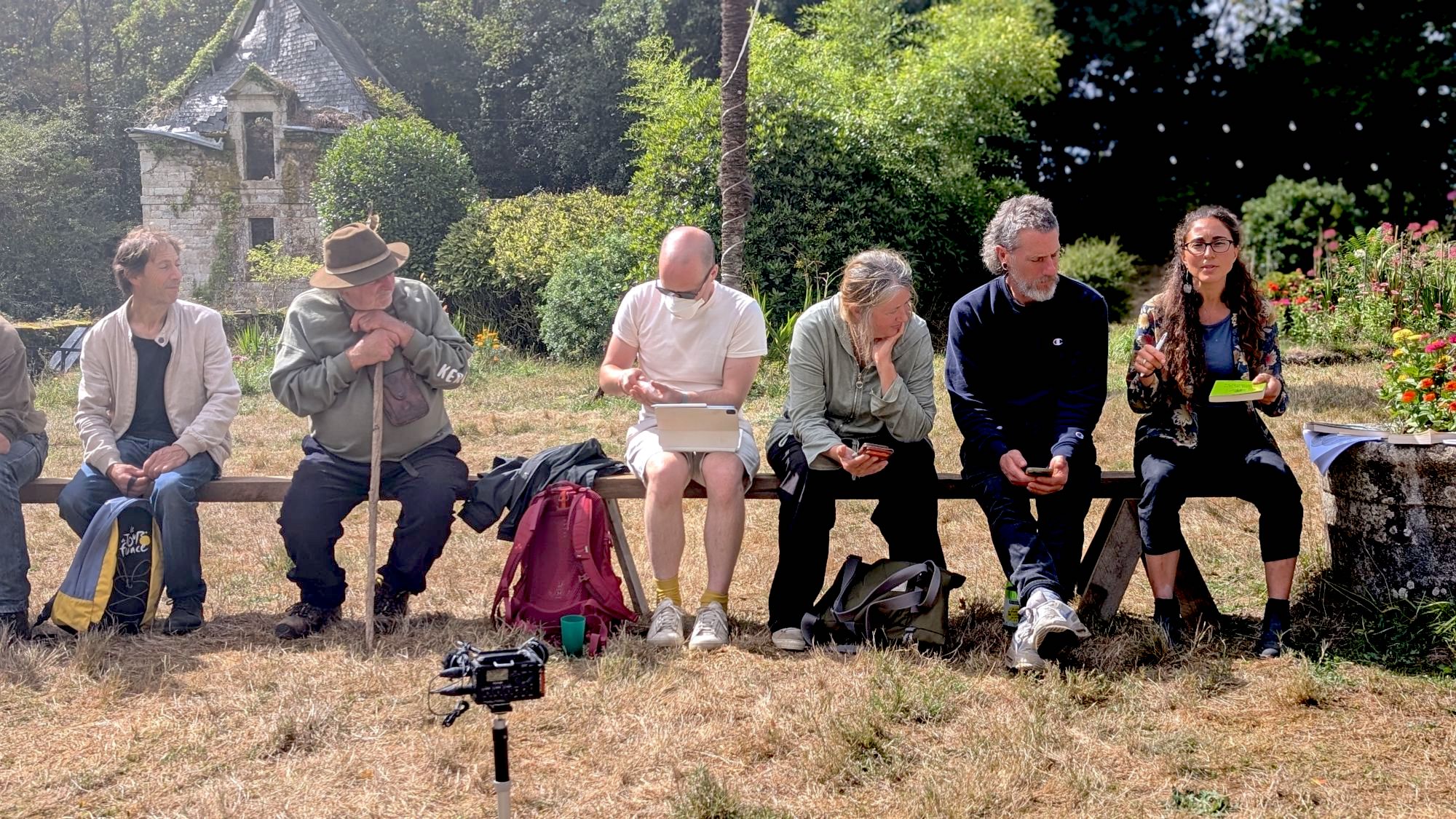
The “village of practices”, for its part, offered an introduction to a wide range of techniques and tools, showing that the present is rich in possibilities for action and in potential allies — objects, people from past and present, animals and plants — with which to build a livable agroecology anew.
The first, and most powerful, tool is the body itself, mobilised in Joanne Clavel and Violeta Salvatierra’s somatic workshop Inhabiting Our Soils These artist-researchers invited participants to reconnect with the soil through imagined vegetal extensions and in the company of subterranean beings drawn from the pages of scientific publications. Solid, inhabited “soil horizons” seemed to enter the skin, as the earth offered its gestures of care. Beloved places — disappeared or damaged — were summoned, brought back to life and shared.
This grounding in the soil shapes the web of connections that links our bodies to the fruits of the earth — materials and resources that we care for and work with to nourish and give form to our lives through agricultural and craft practices. In this spirit La Halle œuvrière, an initiative launched at Kerminy in 2025 by a group of young artists seeking to move beyond the competitive and extractive art system, aims to bring together practices and experiments that can support the positive transformation of living environments and thereby help “move beyond the contradictions of our time.” Wool, wood, clay, stone, iron and other materials found on site contribute to new artistic and craft approaches, bringing together rural and cultural traditions with contemporary needs. The guiding principle of this shared space is “to make, craft and work together rather than simply produce artworks.” Its ways of engaging with a “public” can take many forms: assemblies such as this one, markets and fairs, or more institutional artistic events.
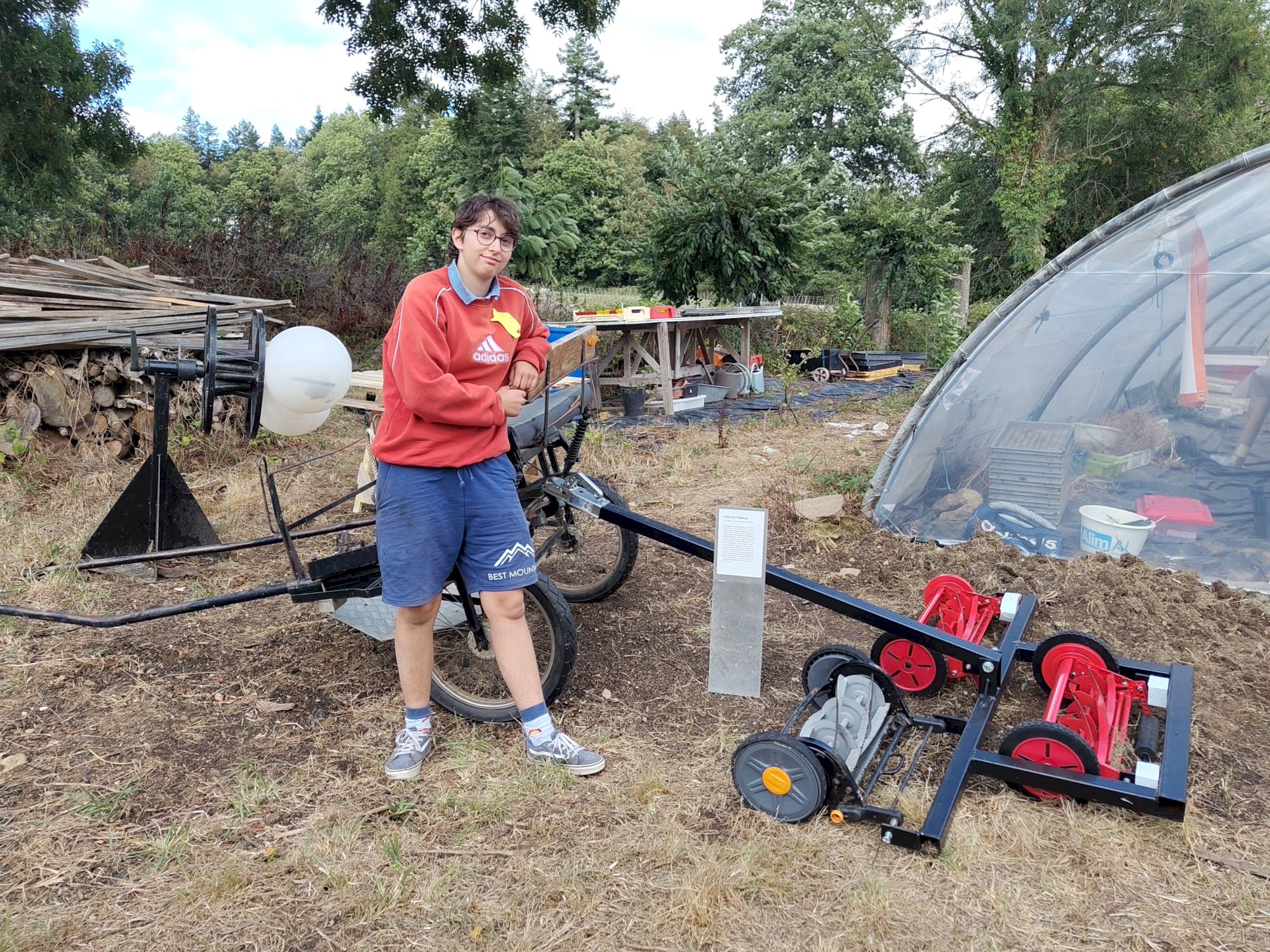
Agricultural practices were also passed on through a series of workshops held in the greenhouse, the hall and elsewhere on the site. “Nomadic” permaculturist Frank Viel shared his passion for bocage landscapes and the traditional technique of hedge laying (plessage), which involves weaving and bending living trees to create a dense hedge. Years of observing and interacting with plants have taught him to recognise the intelligence of natural processes and the importance of restraint in human intervention. He places his trust in the natural evolution of wooded areas to support the circulation of water and biodiversity. Rather than planting a hedge with nursery-grown shrubs — often non-native and requiring a period of adaptation — he recommends letting the birds do the work. Perching on the fences that mark the boundaries of fields, they disperse a great variety of native seeds through their droppings, giving rise to stronger, more vigorous trees.
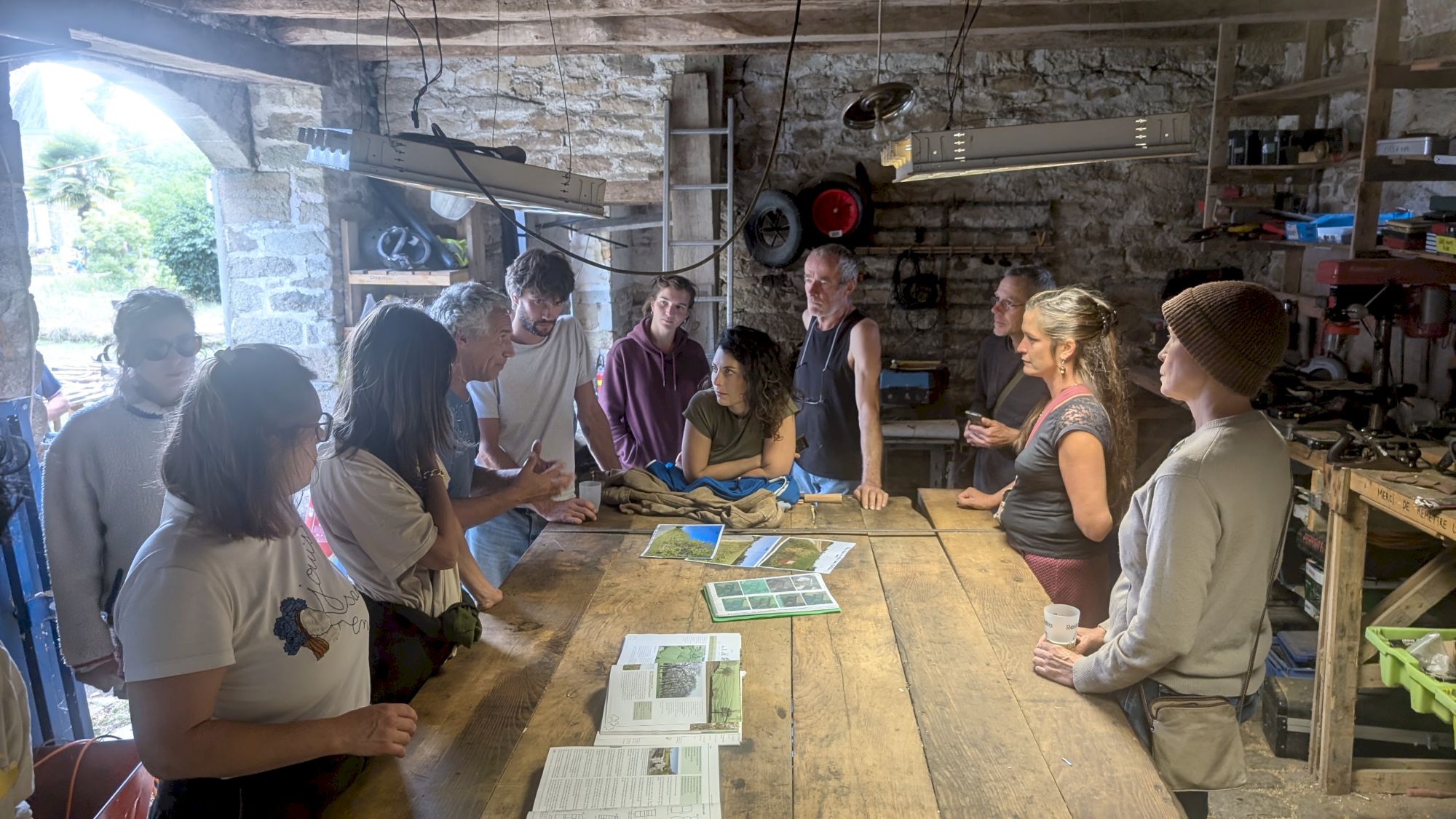
Farmer Sébastien Furic presented his approach to restoring traditional agricultural irrigation systems. Like a beaver — a species that is still far too rare in Brittany — he works by hand to redirect and distribute water flows, thereby promoting healthy mineralisation of the soil and vegetation cover, even cutting down a few trees when necessary, much like the rodent itself. One of France’s finest scythe mowers, Sébastien is also committed to preserving and passing on low-carbon harvesting techniques that help prevent soil compaction.
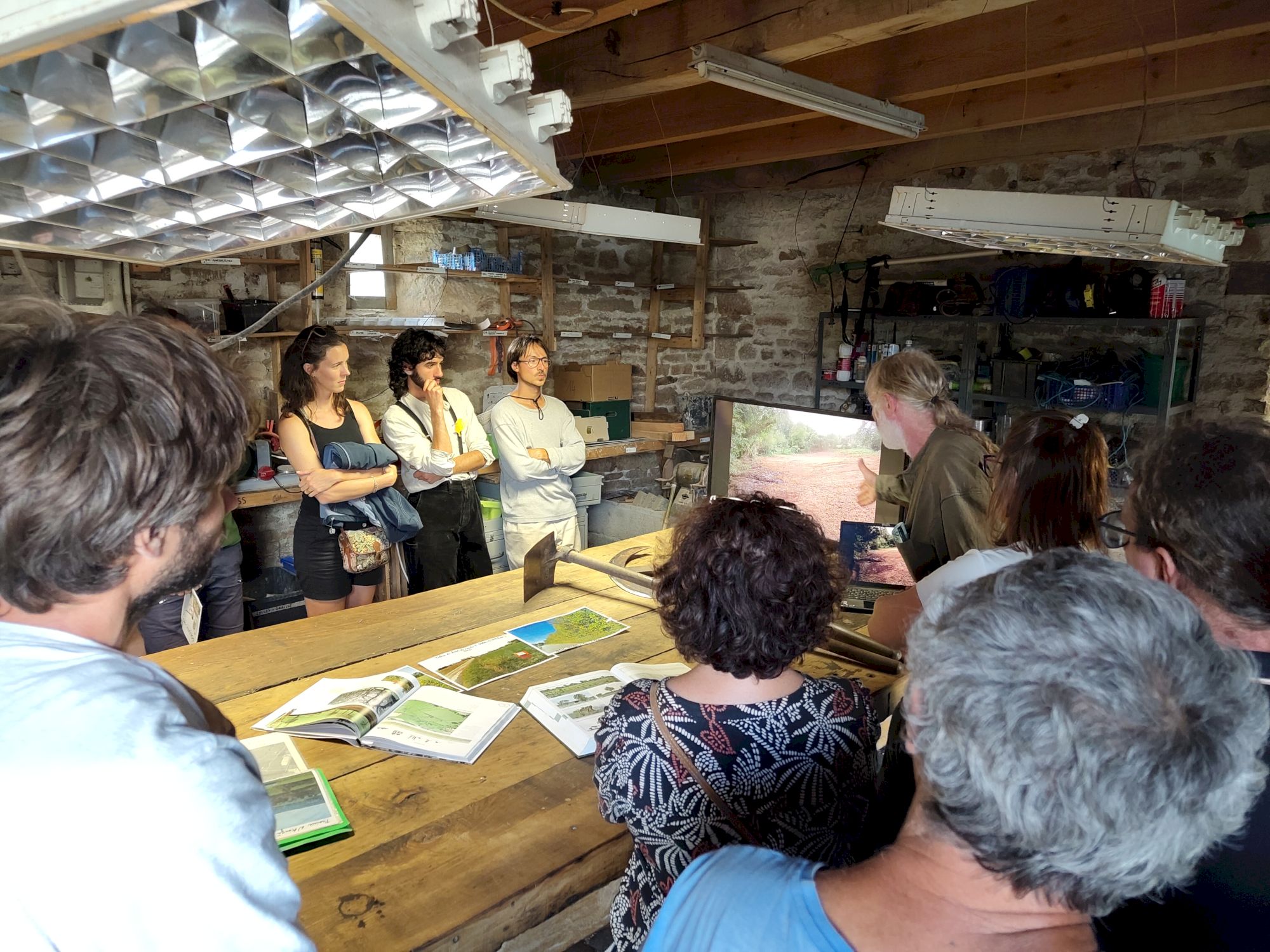
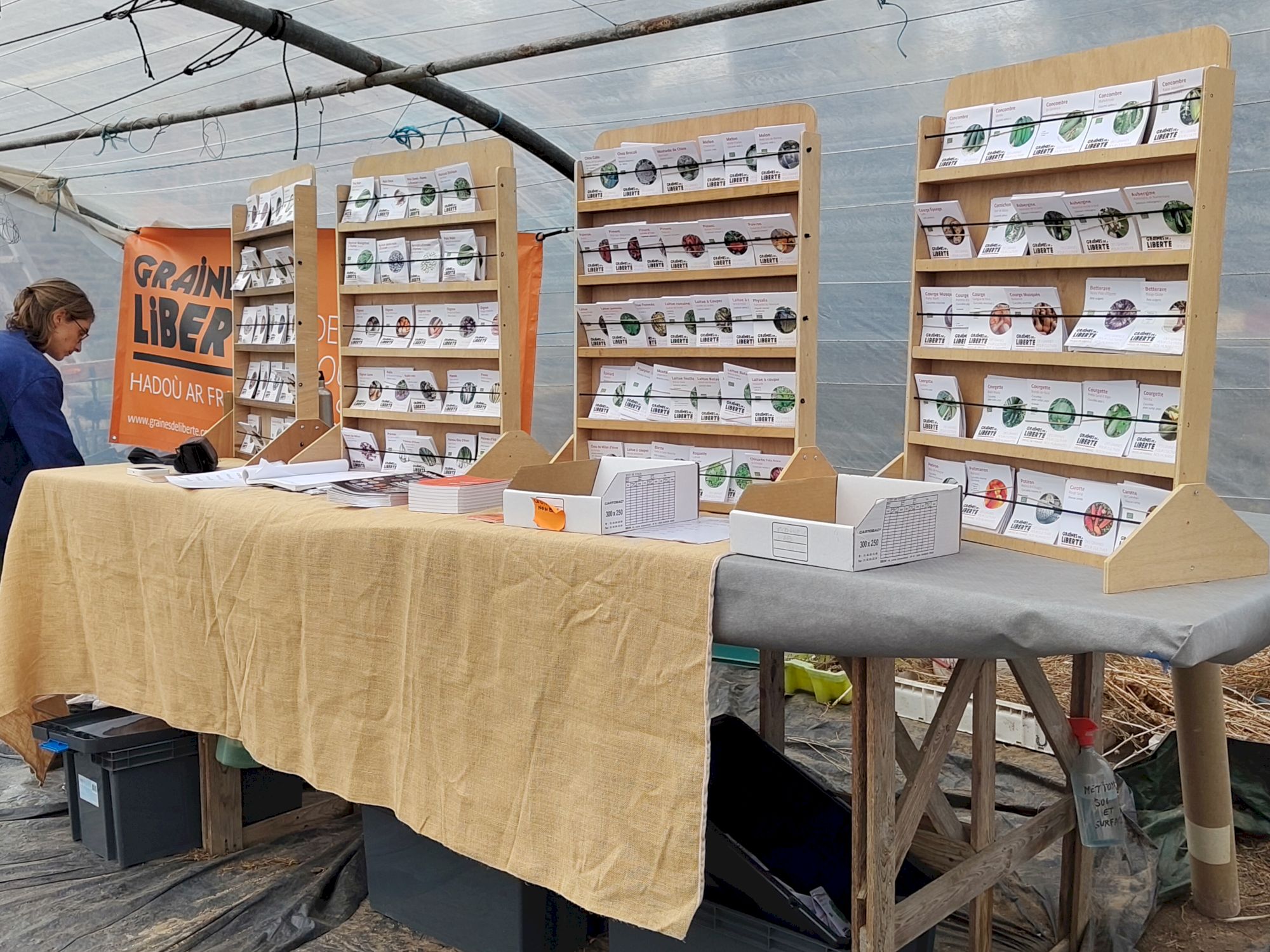
The seed growers and seed keepers of Graines de Liberté, a cooperative of collective interest, shared sustainable and autonomous approaches to seed saving and use in market gardening, drawing on scientific knowledge and agroecological know-how through talks, publications and their website. Finally, Olivier Heinry offered advice on caring for fruit trees with minimal resources. An advisor to the Kerminy Farm, he helped create the Verger Social Club, an orchard conceived as a living laboratory for gentle, site-specific arboricultural techniques.
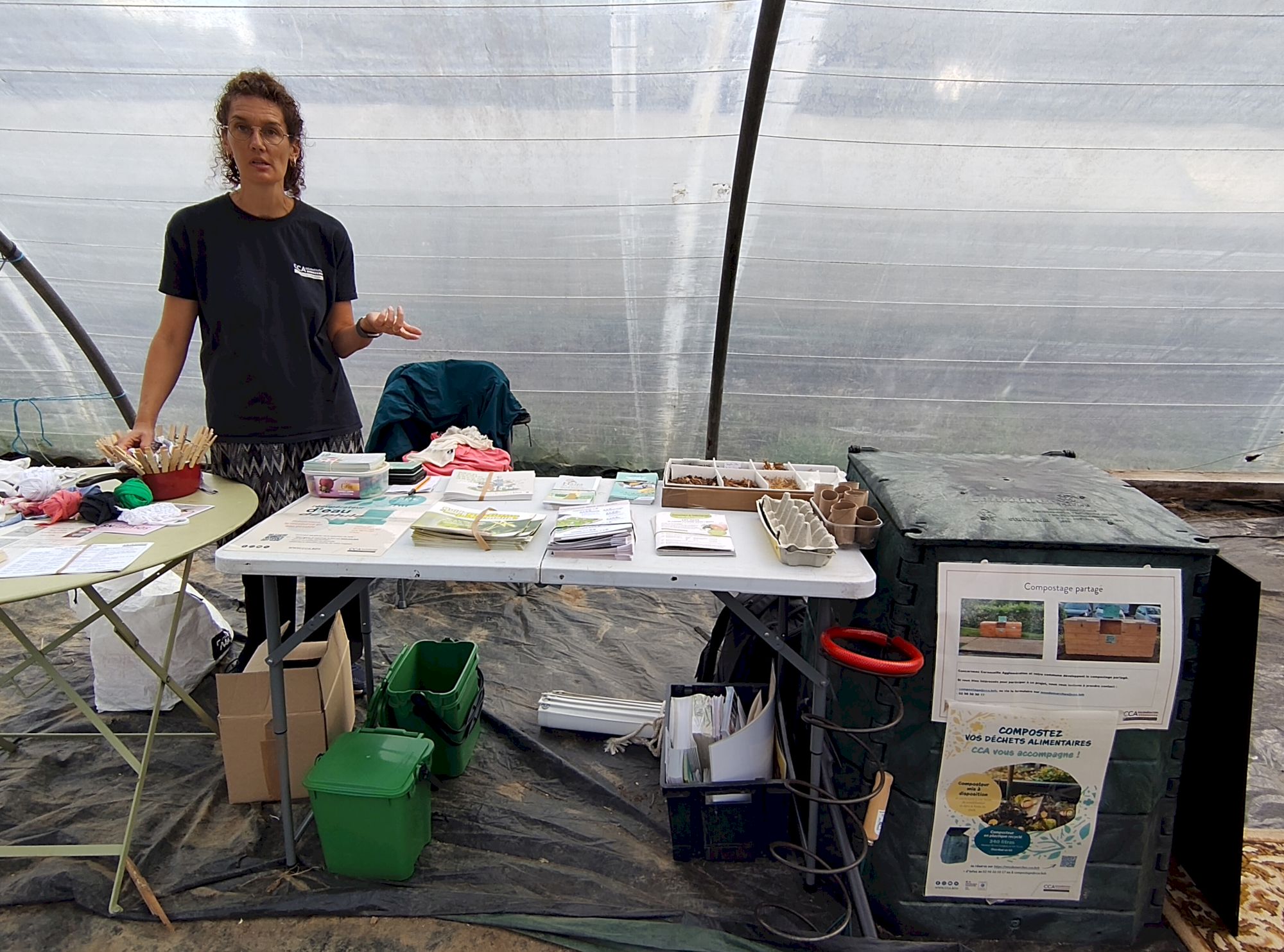
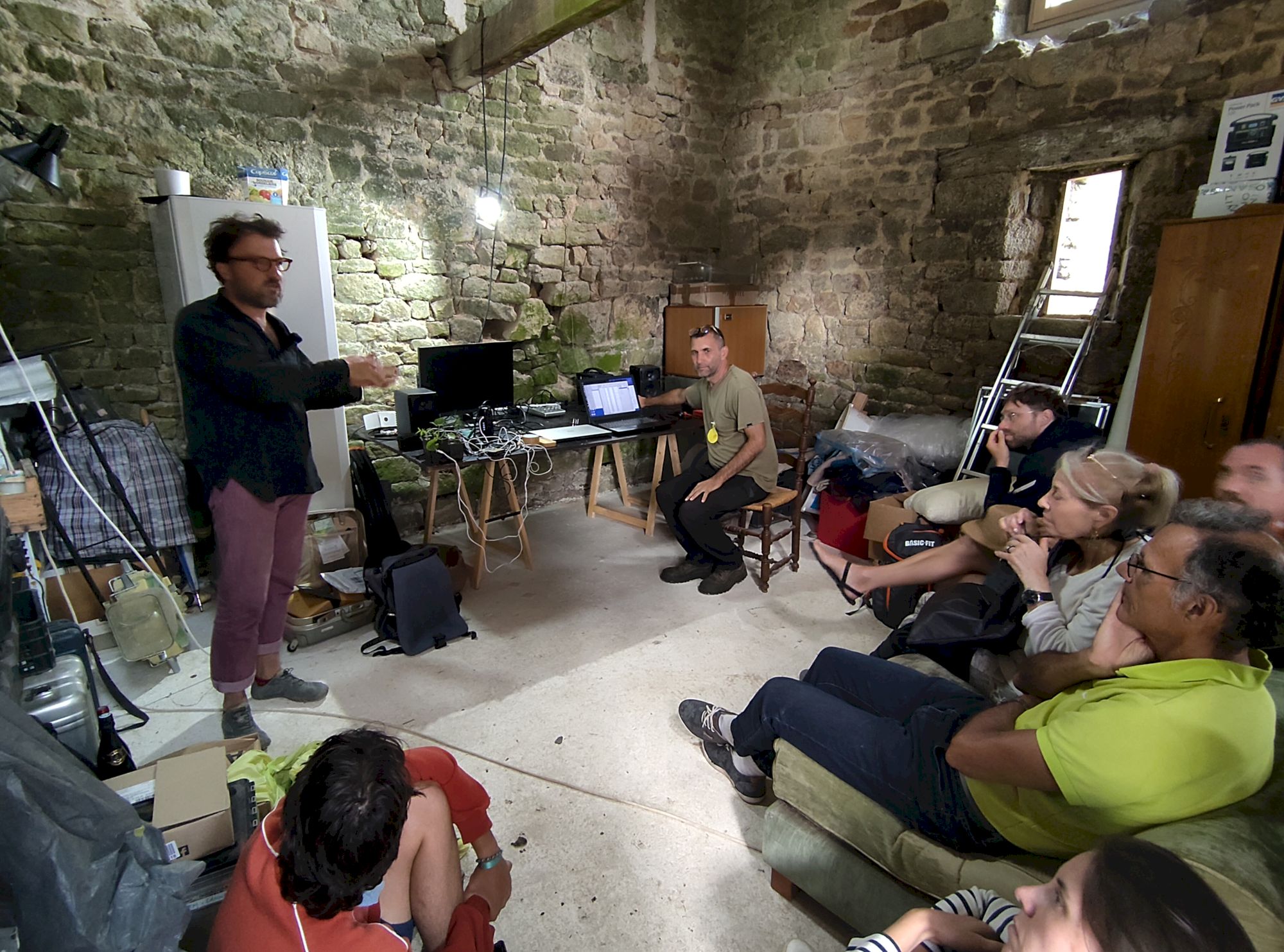
Encountering plants requires observation and know-how, but sometimes also the contribution of science. Food scientist and engineer Laurent Vandanjon, a specialist in the impact of sound on plants and microorganisms through electrophysiological data from the soil, invites us to listen to a “plant biophony.” Along similar lines Infraterra a project by artist Dominique Leroy and marine microbiologist Tony Robinet (Concarneau Marine Biological Station), sonifies the soil by synthetically interpreting its vibrations.Both approaches allow scientific data generated by living processes to speak, giving them a sensory form. In doing so, they shift the boundaries of both scientific and artistic practice, allowing their respective outputs to transform and evolve.
One participant, Odile, describes what she discovered: “An ‘irrigation talk’ with three handmade tools, and a hillside turning green again. A cattle driver working with a team of oxen — he’ll teach you a thing or two. And what about the Pie Noir, the smallest cattle breed in Brittany? One to meet. And the sound recorder? Put on the headphones and you’ll hear the soils. Listen, listen again… Walk through the greenhouse, slowly, without disturbing the plants: tomatoes, peppers and aubergines, squash, pumpkins, courgettes, watermelons… […] You’ll hear them, alarmed by your arrival, then happy, laughing, watering themselves… A real concert.” KERMINY PARK is a place to meet and come together. A PARK that is cared for, celebrated and welcoming. Magnificent trees, protective and generous. They will share their wood, their plants, their fruit and …, while protecting the soils — soils that are happy to bear fruit. Resources to be shared at Kerminy, through a wide range of workshops. The woodworking workshop. A multitude of hand tools being created or brought back to life. Have you seen the workbench? Standing on its oak legs, it reaches out to welcome you. And the pottery workshop — it will introduce you to the clay of the park, the clay-rich earth to be filtered. And the vegetable garden, with its outstanding market gardeners, the arboriculturists, the foresters… What can we do with our soils? They will tell you what they do with our soils.And let’s not forget the seaweed gatherers, so we can taste their seaweed tartare — seaweeds being among the first plants to emerge onto land. And what about the artists in residence? Happy to be here.”
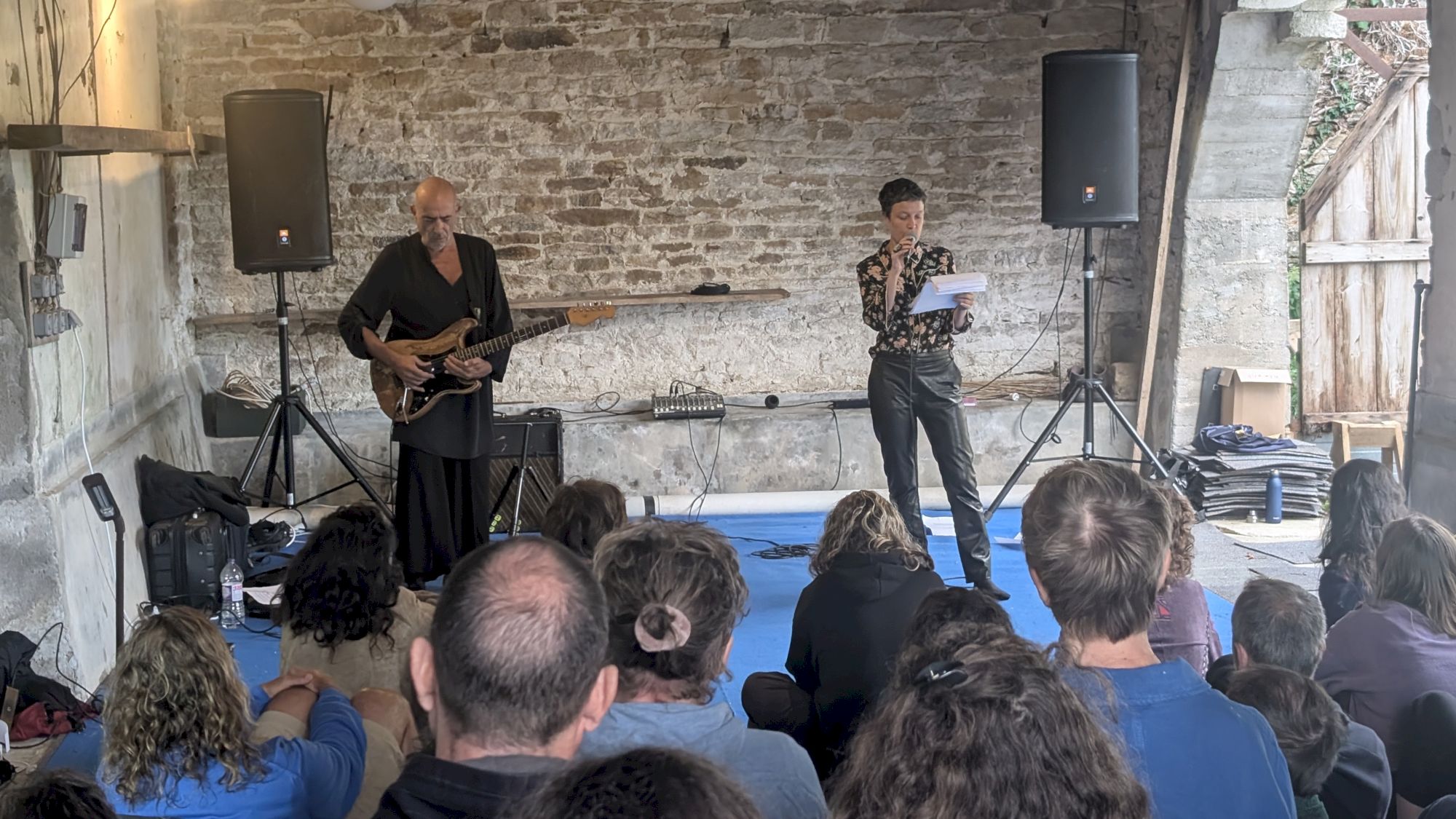
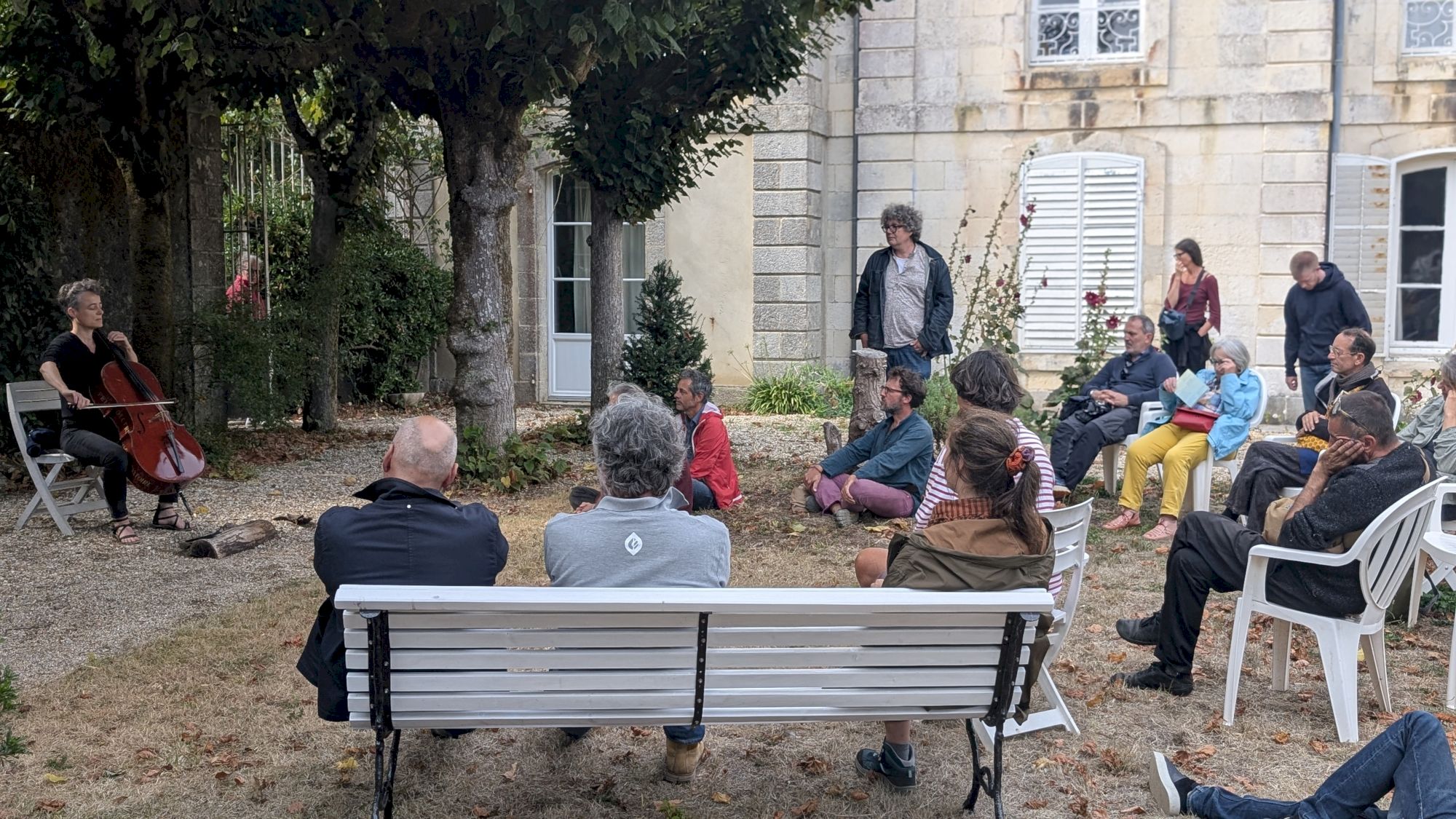
One thing stood out during this assembly and filled us with hope. Despite the traumatic summer we have just been through — during which soils have never been so battered and forests so parched, with climate change permeating the cells of living beings in our regions as never before — the feelings that prevailed throughout these three days were joy, solidarity, generosity, inventiveness, determination, a desire for collective action, and joy in doing. It seems that, in a time of paranoid retreat and the dismantling of the gains made by political ecology, the urgency is no longer to wage a frontal struggle against the destructive forces of capitalism and state violence — forces that should now be made to seem “old-fashioned”, as biologist Olivier Hamant suggests — but rather to put into practice, here and now and in specific places, joyful imaginaries and intergenerational forms of collective knowledge, in order to regenerate damaged territories and bring about a shift. If we consider that everything that makes up our lives, and the lives of other living beings, comes from the soil — food, bacteria, water, fossil resources, minerals, timber and so on — then that is where we must begin.
Read more on Kerminy, Soil Assembly and SoilTribes.