
Where fermentation finds a home
What happens when fermentation becomes a meeting place for cultures? On 17-19 July, the second international Perlen Fermentation Festival, a large gathering in Guiyang, capital of Guizhou in southwest China, brought together fermenters, brewers, artists, researchers and thousands of curious visitors to explore everything from kimchi and koji to sour soup and fermented soybeans. Beyond recipes and techniques, the event revealed how deeply fermentation is rooted in—and transformed by—the places, people and microbial worlds that sustain it. Report by Chloe Wang from Snout&Seek.
Chloe Wang is the founder of Snout & Seek, a food culture platform exploring the people, traditions, and stories behind what we eat. After studying culinary arts at Le Cordon Bleu and working in the food industry in Canada, she returned to China and began looking more closely at the food she grew up with. Through research, writing, and immersive culinary experiences, Chloe and Snout & Seek explore everything from fermentation and traditional craftsmanship to regional cuisines and the relationship between food, people, and place, always led by curiosity.
Correspondance, all photos by Chloe Wang,
When you find yourself sitting among people of all ages and cultural backgrounds on a circular, stepped podium, watching them wave their arms and legs in peculiar movements while shouting in Japanese about rice, mold, and umami, you begin to wonder what kind of world you’ve stepped into.
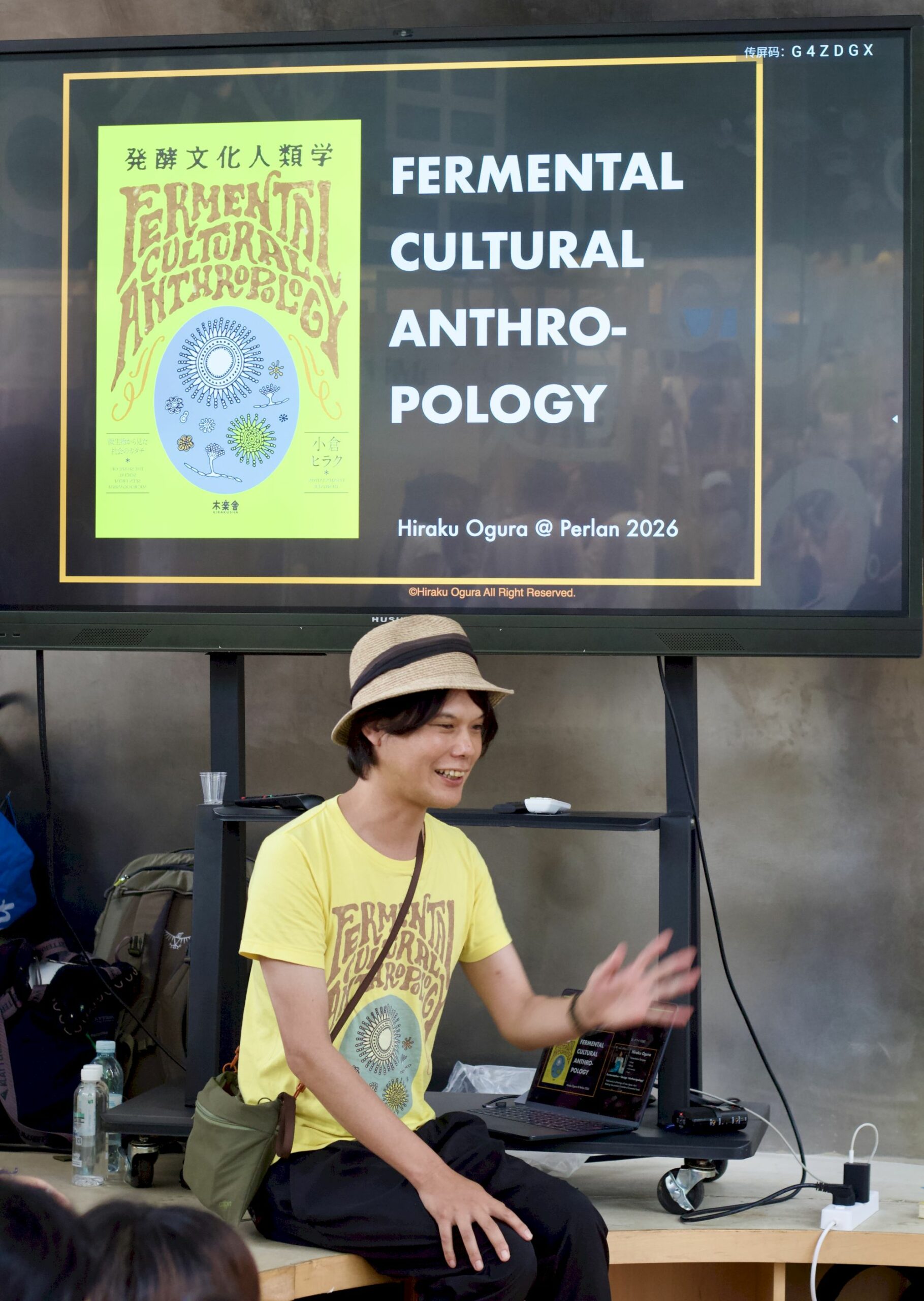
At the front of the room, leading everyone with an infectious smile, is Hiraku Ogura, author of Fermental Cultural Anthropology. No, we weren’t in Japan learning about koji. We were in Guiyang, a summer retreat for people from across Southwest China, and perhaps one of the most fascinating places to explore the world of fermentation.
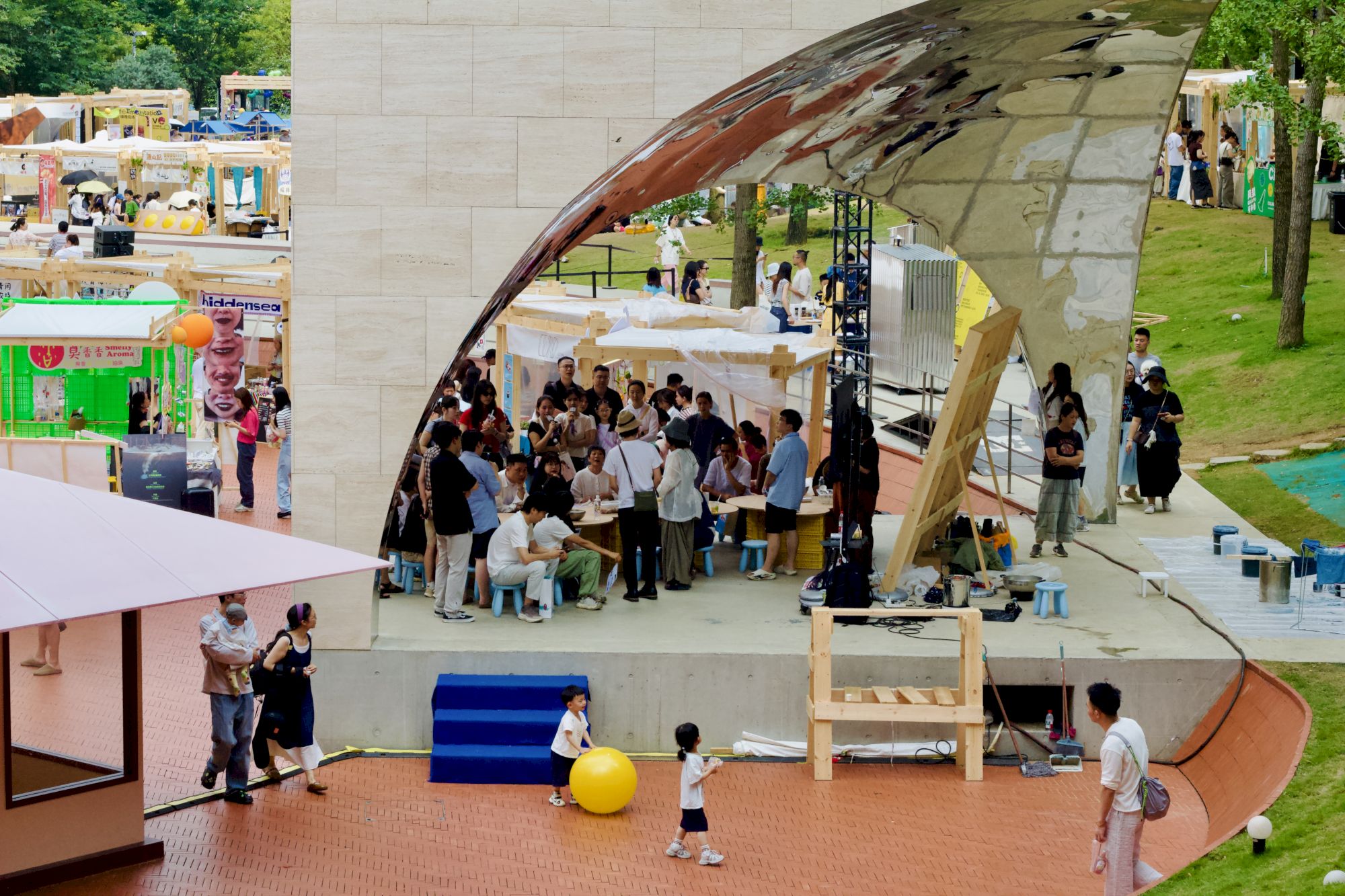
This annual summer gathering is a celebration of fermentation in all its forms. Fermenters from around the world come together to share their craft, from bread and koji to fermented beverages, craft beer, kombucha, sauces, and condiments. Alongside these international traditions, Guizhou’s own producers proudly showcase the rich fermentation culture of a province that remains one of China’s best-kept culinary secrets.
What impressed me even more was how deeply the local community embraced the event. Fermenters, brewers, artists, technicians, authors, and curious visitors were all welcomed with open arms. Every talk was packed, and the conversations continued long after the presentations had ended. People from different countries compared techniques, shared stories, and discovered that despite using different ingredients and traditions, they were often solving the same problems through fermentation.
Kimchi has become one of the world’s most recognizable fermented foods over the past two decades. As Korean dramas introduced audiences around the world to everyday family life, kimchi became more than a side dish. It became an icon of Korean culture. From David Chang’s Momofuku restaurants to my colleagues at a local restaurant in Canada, it seemed like everyone was making kimchi.
Yet, just as no two leaves are exactly alike, no two kimchi’s are either. Location shapes every batch. The vegetables, the water, the climate, and the microorganisms surrounding the fermentation all leave their mark, meaning a kimchi made in China will never taste exactly the same as one made in Korea, even if the recipe is identical.

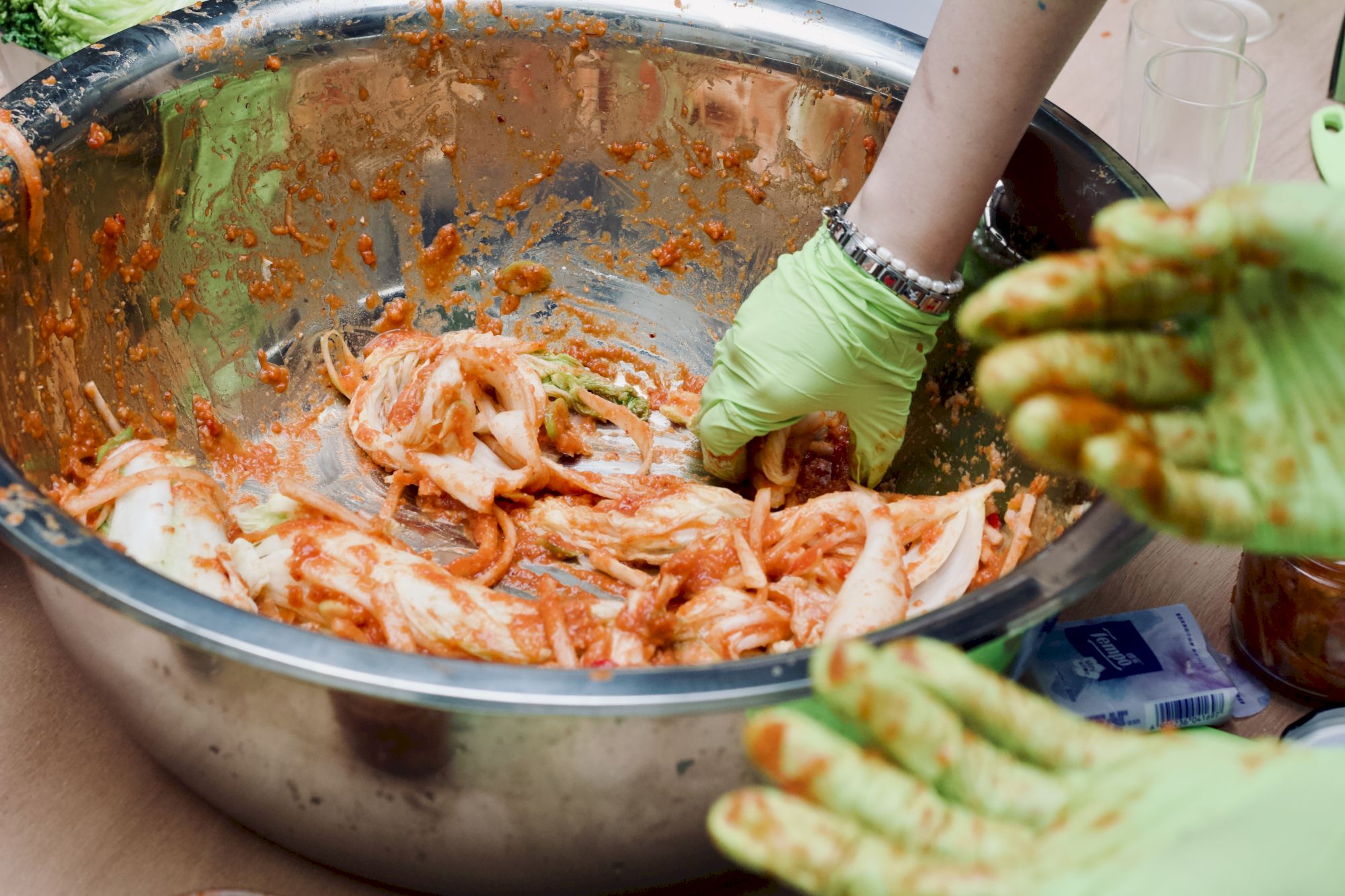
Maya Minder, an artist with Korean and Swiss heritage, has long been fascinated by fermentation. Growing up in Zurich, she was introduced to kimchi by her mother at a young age. She laughed as she recalled coming home from school wanting nothing more than to watch television, only to be handed a pile of garlic to peel for the family’s next batch of kimchi.
I joined Maya’s workshop curious to see how growing up in Europe, in a multicultural household, had shaped her understanding of a food so closely associated with Korean identity.
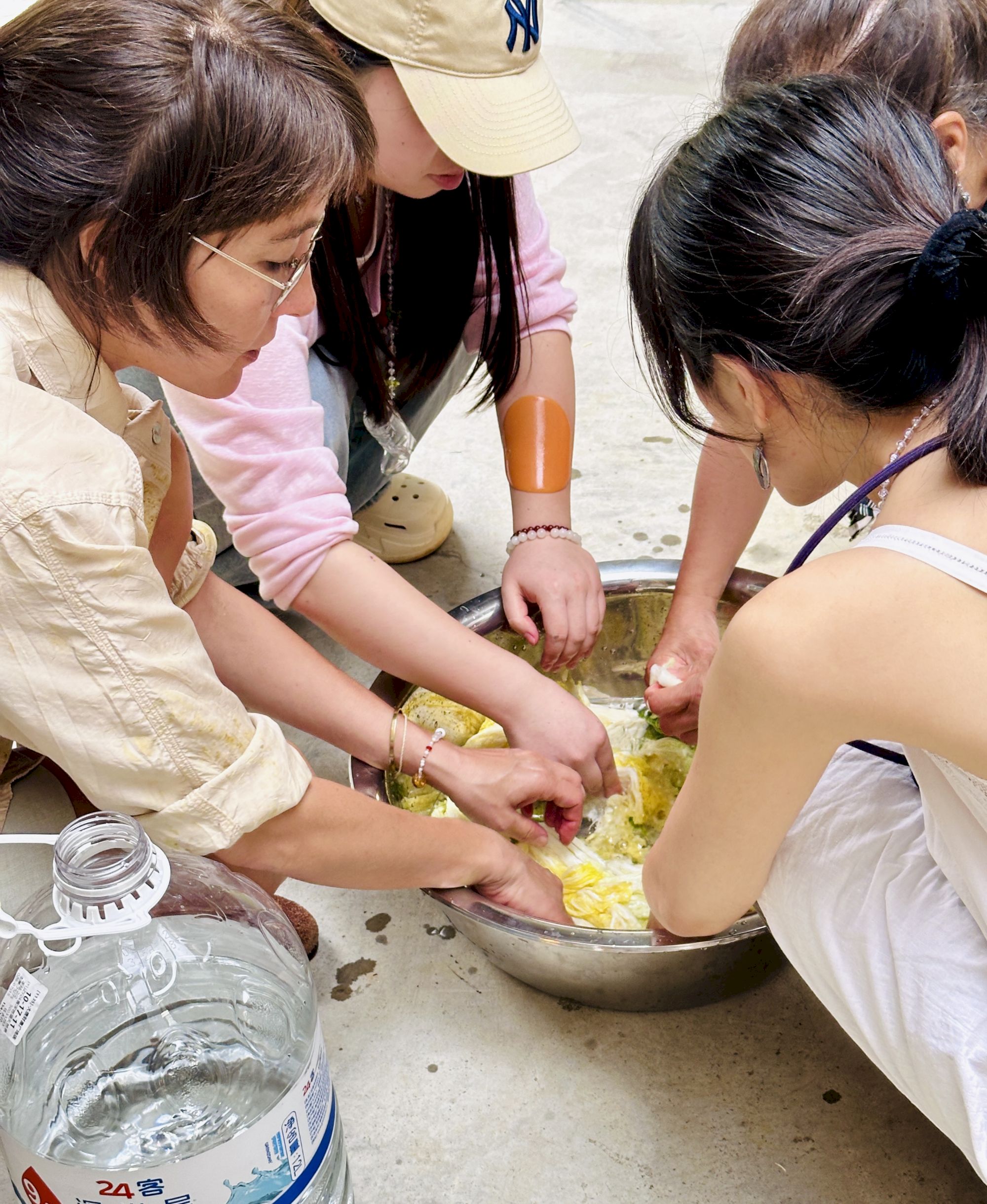
Some rules are followed without question. from which vegetables go into the paste and which need to be julienned, to how the vegetables are salted and what kind of chili powder is used. Other decisions, however, are left open to interpretation. How much garlic goes into the paste? Should fish sauce be added? Is it apples or pears that bring the right balance of sweetness?
Like many people raised between cultures, Maya approaches kimchi with an open mind. She respects tradition while allowing room for experimentation, both in fermentation and in her art. During the workshop, she brought out jars of ramsons (wild garlic, 熊葱) kimchi that she had made herself. It was unmistakably kimchi, yet made with ingredients from European landscapes rather than East Asian ones, showing how a familiar tradition can take on a new identity simply by growing somewhere else.
Maya’s kimchi demonstrated that the same tradition evolves as it moves across different landscapes. The same principle applies on a much larger scale. Throughout history, every region has developed its own fermentation techniques in response to the ingredients that grow there and the needs of the people who live there.
Location determines both whether fermentation is possible and how it evolves. Long before people understood microbiology, they learned that climate, available ingredients, and local microbial communities all influenced the final result. Every region developed its own fermentation traditions in response to its environment, whether it is koji in Japan, kimchi in Korea, sour soup in Guizhou, or doubanjiang in Sichuan. Even when the recipe is identical, the outcome is never exactly the same. A kimchi made in China will taste different from one made in Korea because the vegetables, water, climate, and naturally occurring microorganisms are different. Fermentation is never just about following a recipe. It is a collaboration between people, ingredients, and place.
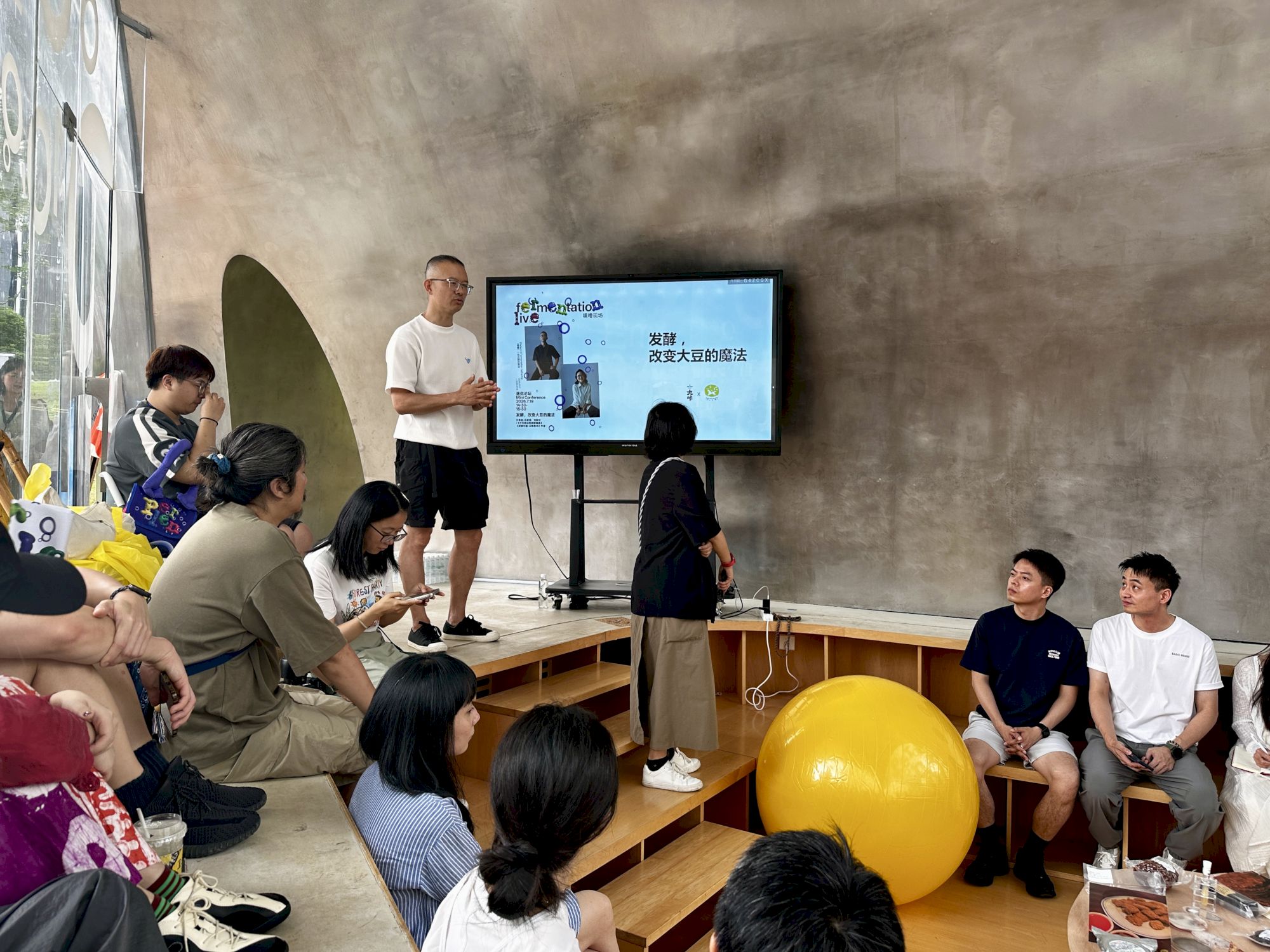
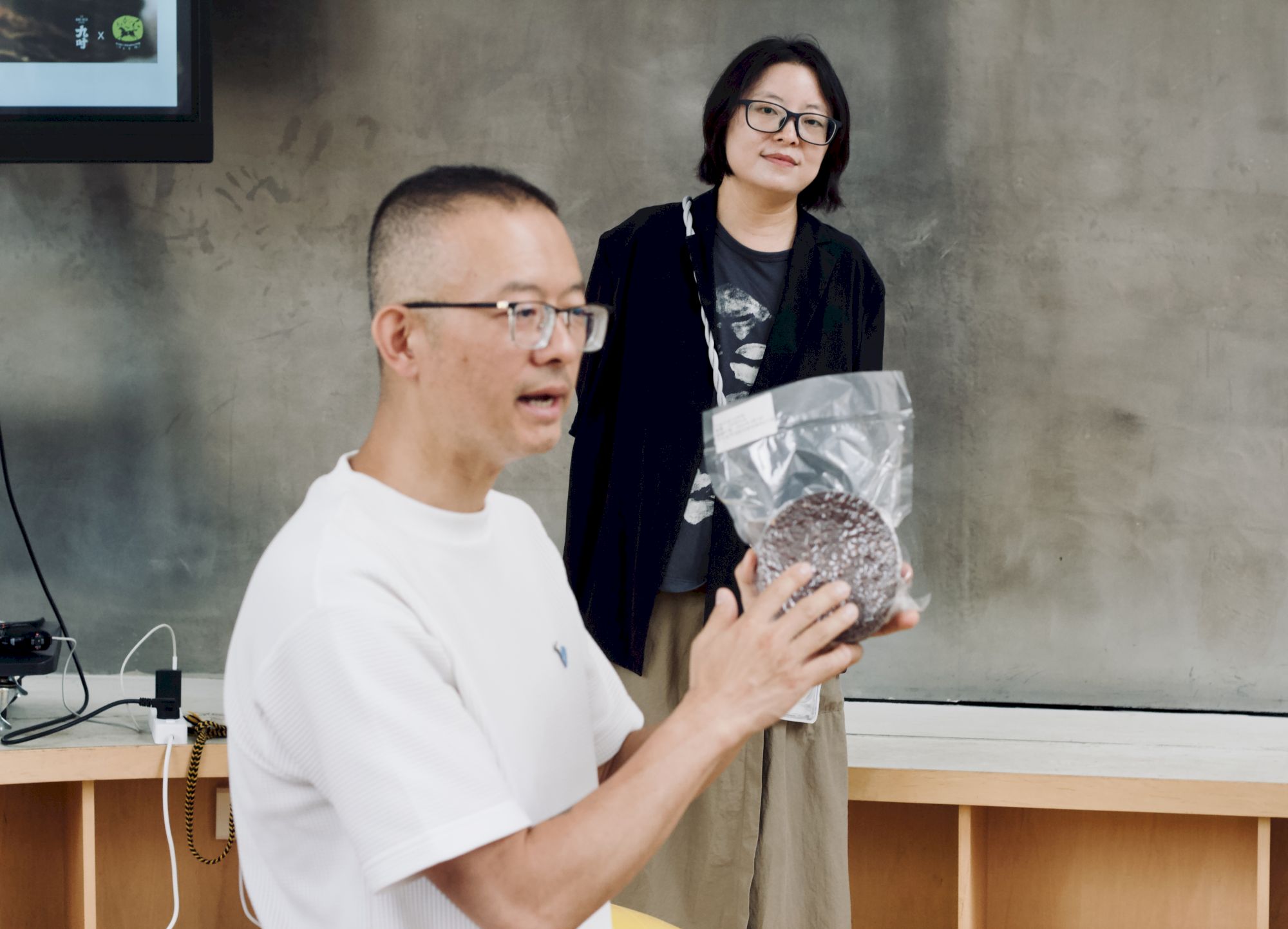
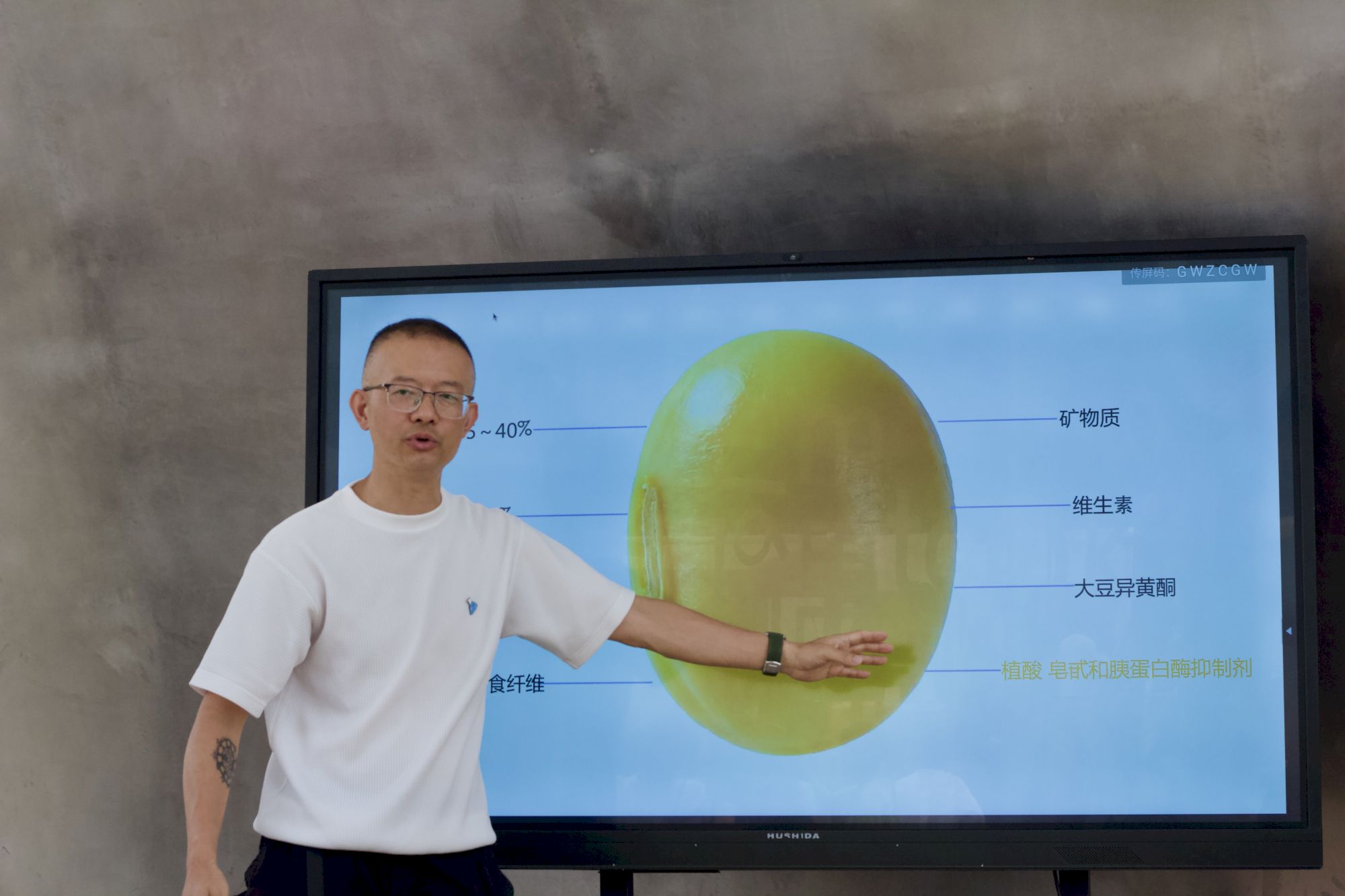
Another highlight of the gathering was a talk by Chinese researchers and authors Ma Junli and Liu Xinzheng, authors of Fermentation in China: Yunnan and Guizhou. Their presentation explored soybean fermentation, a reminder that the evolution of fermentation is inseparable from the places where ingredients first took root.
As the birthplace of the soybean, China has developed one of the world’s most comprehensive systems of soybean fermentation. Rather than treating soybeans as a single ingredient, generations of cooks and fermenters discovered countless ways to transform them. Cooking made soybeans digestible, while fermentation unlocked even more possibilities by breaking down proteins, creating deeper flavours, and improving nutrition.
From that single crop came an extraordinary diversity of foods. Soy sauce became an everyday seasoning. Douchi concentrated flavour into fermented black soybeans. Furu transformed tofu into a rich, creamy condiment. Soybean paste evolved into countless regional variations, each serving a different purpose in the kitchen. Every product answered a different culinary need, yet they all began with the same ingredient.
One idea repeated throughout the gathering captured this beautifully. People from around the world had come to Guiyang not only to exchange knowledge, but also to share their microbial worlds. Every handshake, shared meal, sourdough starter, or fermentation vessel carries its own microscopic community. While the scientific impact of these exchanges may be small, the symbolism is powerful. Fermentation reminds us that cultures do not develop in isolation. They evolve through constant interaction, influenced by both the people we meet and the environments we inhabit.
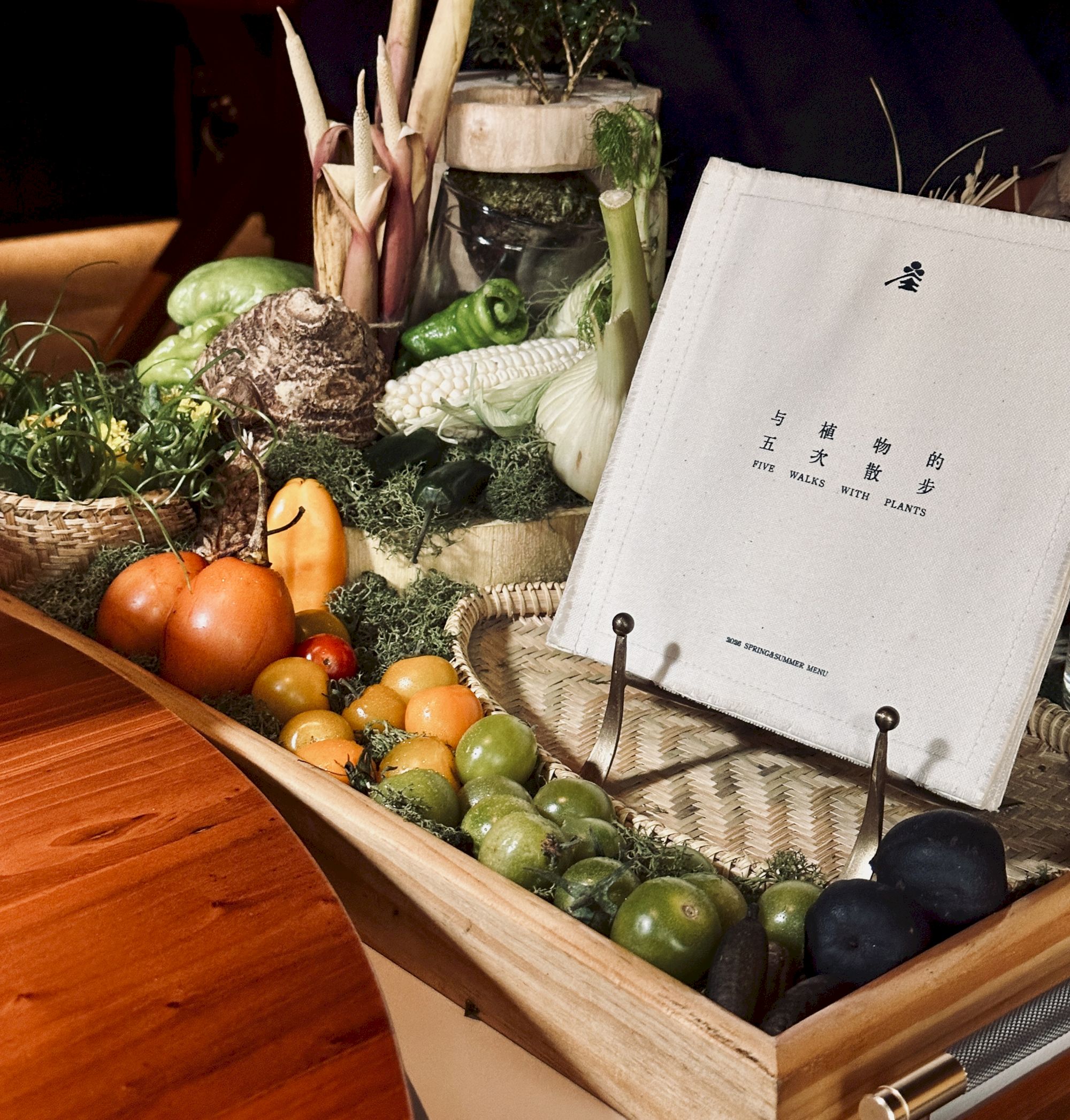
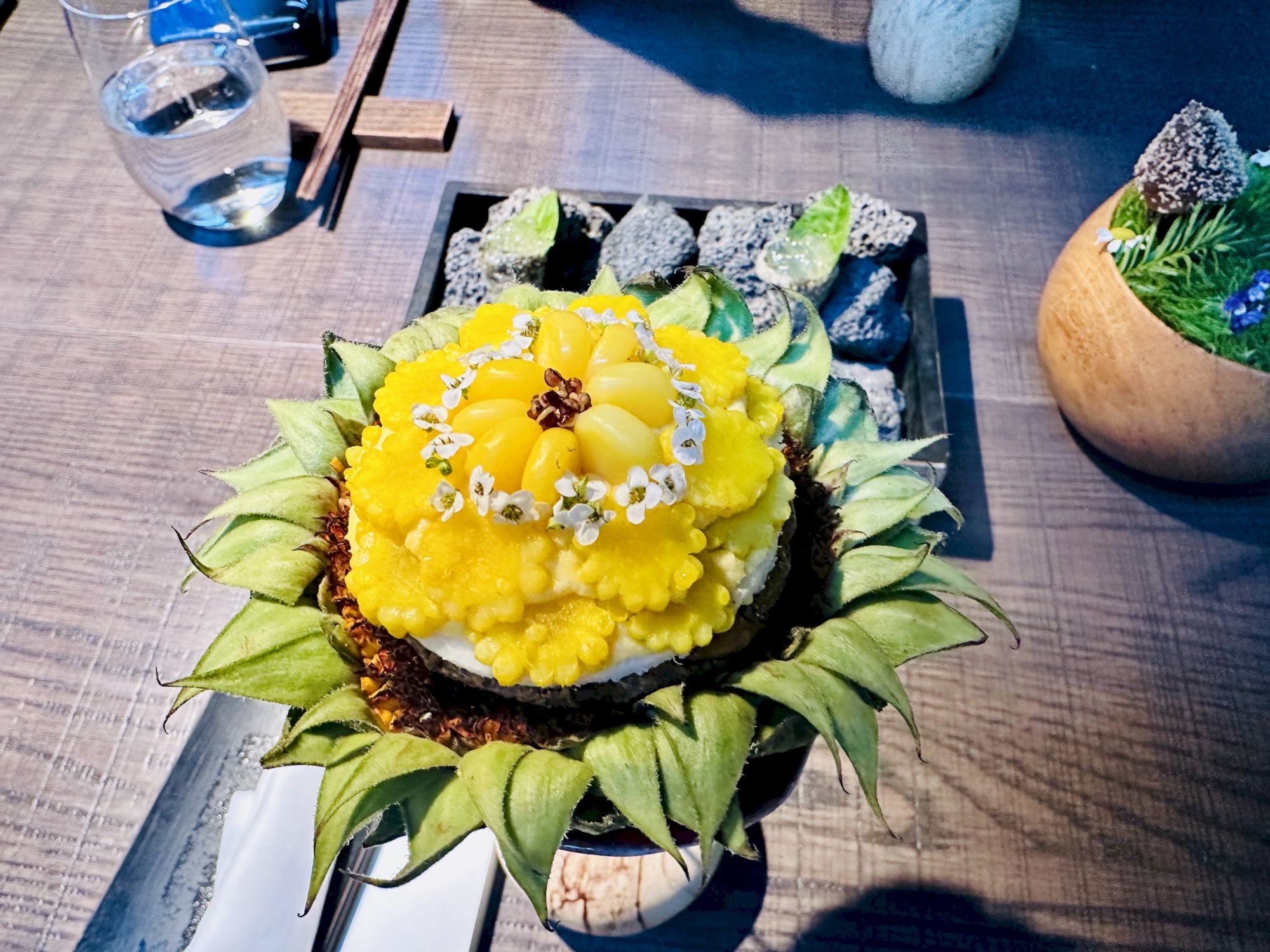
In recent years, more restaurants in China have begun experimenting with fermentation, inspired by the work of chefs and restaurants around the world. Yet fermentation is not something that can simply be replicated by following a recipe. The local climate, available ingredients, and microbial environment all influence the final result. At the same time, sustainability should be part of the conversation. Flying ingredients across the world to recreate a particular ferment carries a significant carbon cost and often overlooks what is already available locally. Instead of asking how to reproduce someone else’s fermentation, perhaps the better question is what ferments naturally here. By working with local ingredients and local tastes, chefs can create ferments that are not only more sustainable, but also more meaningful to the place and the people they serve.
I left Guiyang on a sunny morning with a bag much heavier than when I arrived. Inside were jars of fermented treasures collected over the past few days. The kimchi I made in Maya’s workshop now sits in my refrigerator in Chengdu, waiting for the right moment to be opened.
A few days later, I found myself scrolling through delivery apps, hoping to buy a large Chinese cabbage to make another batch. It was the middle of summer, and none were available. The vegetables that define northern Chinese cuisine simply weren’t in season in Sichuan. For a brief moment, I was disappointed. Then I remembered everything I had learned in Guiyang.
Fermentation has never been about forcing nature to fit a recipe. It begins with understanding what is available, what grows well, and what each place has to offer. Sometimes that means waiting for autumn to make kimchi. Sometimes it means discovering something entirely different that belongs to the place where you are (read My Maodong Experience in 2025).
Perhaps that is the golden rule of fermentation. Every ferment begins with its surroundings.
The second edition of the Perlen Fermentation Festival, was curated by eeelab.
This article was first published on July 27 on Snout & Seek.
Learn more on Snout & Skeek’s Instagram.