
Cultivamos Cultura: feral conditions and rural futures
This month, Makery is publishing several essays excerpted from the Feral Labs Node Book #3, titled “Fa Fa Futures.” This chapter reflects on the ongoing practices of Cultivamos Cultura in Alentejo, Portugal, as a cultural institution engaged in fostering creativity, experimentation, and knowledge circulation at the intersection of science, technology, and contemporary art.
The Feral Labs Node Books are a series of interconnected publications produced by the Feral Labs Network within the framework of Feral Labs (2018-2021) and Rewilding Cultures (2022–2026). Combining theoretical reflection, artistic research, ethnography, speculative writing, and visual documentation, the books foreground practice-based knowledge and experimental forms of collaboration. The Feral Labs Node Book #3: Fa Fa Futures explores how feral artistic and research practices interact with institutions, infrastructures, crises, and systems of control. The volume focuses on accountability, survival, care, and the continuation of practices beyond temporary funding structures.
by Emma Hallemans, Anna Isaak-Ross, Rita de Almeida Leite, and Marta de Menezes,
How to cultivate culture? How to circulate the knowledge that grows in a private studio space within near and far circles? Where can we find junction points between different parts of our cultural association to foster conditions for their creativity? What hides behind the process of building a good programme? These are questions that we, at Cultivamos Cultura (hereafter abbreviated as CC), have been dealing with over the past 16 years. As a cultural institution, we host private artistic residencies, grow our collection and curate exhibitions to disseminate our residents’ works. We have been building support frameworks around these main practices that allow us to share atmospheres of creativity and cultural exchange. Marta de Menezes, Art Director of Cultivamos Cultura, describes Cultivamos Cultura as “a space for experimentation and the development of shared knowledge within the theory and practice of science, technology and contemporary art. In other words, Cultivamos Cultura searches for conditions to foster creativity”.
These support frameworks rest on three main pillars: community engagement, educational practices, and communication strategies. They have each grown into the backbone of our cultural institution and act as a way to intertangle and disentangle our programming. In other words, we want to connect our artist network with our partners and our audiences, both locally and internationally. But we also want to find ways to streamline our cultural knowledge in an accessible way. Even though these strategies are not CC’s main activities, we believe that they underpin our main programming and that discussing them is relevant within this publication. In this particular chapter, we first highlight the importance of our community engagement in the context of letting its members tune into an atmosphere that can bring forth creativity and cultural exchange. Afterwards, we focus on how educational practices are crucial for creating spaces (physical and otherwise) where experimentation and engagement with art take place. Lastly, we discuss how our communication strategies create accessible portals towards creativity and art engagement, linking our community engagements and educational practices.
As an association that is living in a rural area, we often try to engage our local and international communities. We are physically situated in the local context of São Luís, but CC also travels in order to reach different geographies beyond our village. Nevertheless, there are multiple layers of communities living in the village of São Luís, which poses its own challenges. The local community consists mostly of older generations, but many young people are now moving into the area from the surrounding Portuguese cities. One can encounter many (inter)national artists and communities in the area that bring along a more radical perspective on living in rural landscapes. Industrial agriculture adds another layer to our community, bringing together seasonal and annual workers, which expands our cultural landscape even more. The Odemira municipality comprises 80 nationalities. Every day we encounter this pluralised audience, and we try to bring all these layers of our community together and to engage in qualitative encounters of creative and cultural exchange. Below, we will first discuss how to engage these layers of our community and then, through educational practices, how we zoom in and zoom out between the local and the international. We will end with zooming out of these practices and connecting them and our pluralised audience with our communication strategies.
Community engagement in the light of rural locality
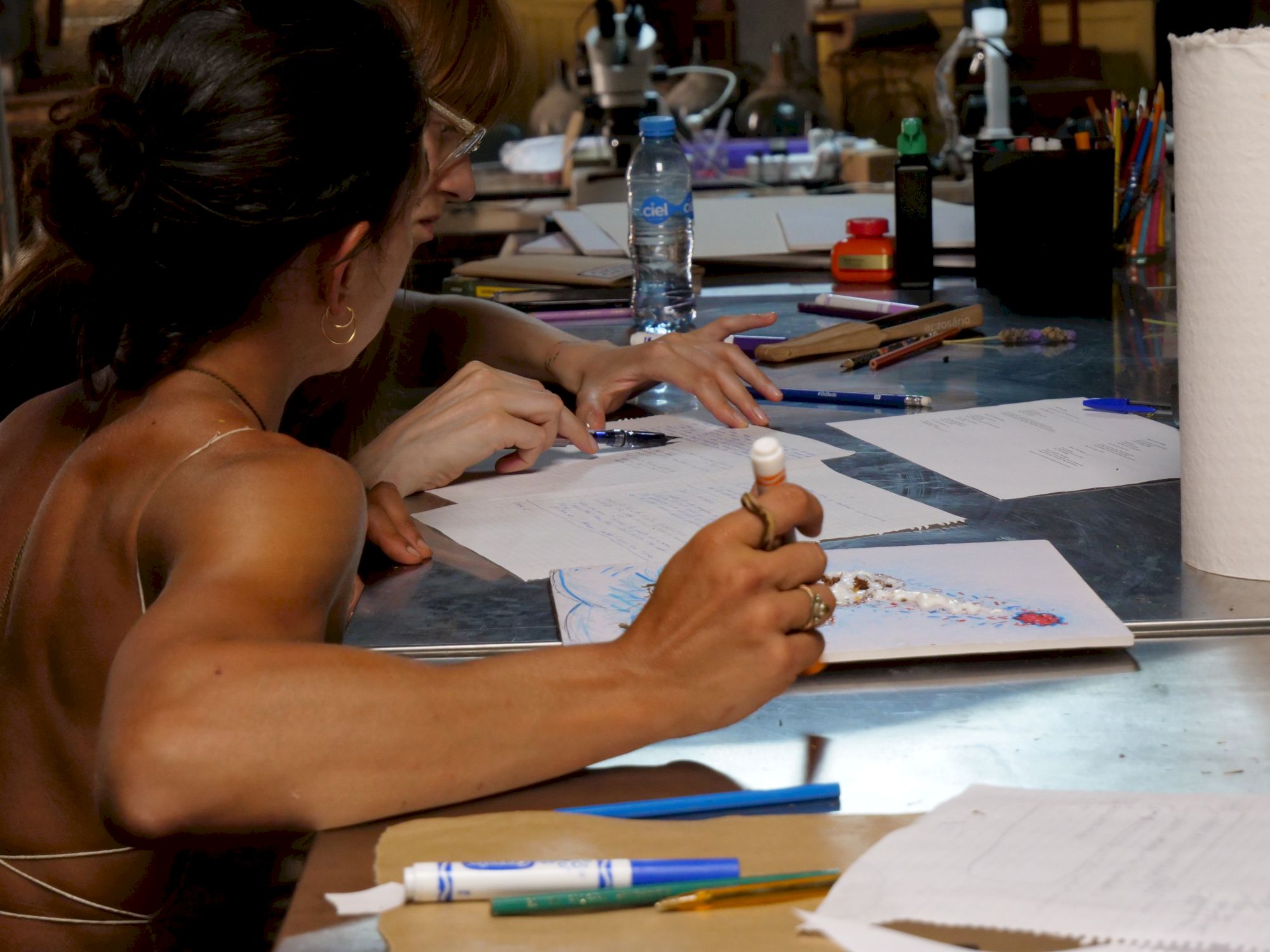
With a rural context as peculiar as ours, we have to follow up on the development of the communities around us. This means that, along with a regular schedule of curated residencies, we have been building a net of communities that brings the international in contact with the local and the artistic knowledge in contact with the lived experience of São Luís. The concept “cross-pollination participants” is often used in cultural contexts to describe individuals who bring diverse backgrounds and who, through their interaction, mutually “fertilise” each other’s ideas. We started to observe a net that spans over different generations throughout multiple versions of São Luís and CC.
When CC was first established, we already had a large network of international artists, which made it relatively easy to have artists come and do a residency. The physical space of CC almost felt like an alternative reality where experimental contemporary art practices would happen in the courtyard, the barn, or the old house. Our private space nurtured an atmosphere where artists could inspire each other while fermenting a curiosity towards the world outside of CC. This world outside, that is, a Portuguese rural village near the ocean, left a lot of space for ideas to be cultivated in the artists’ minds. We could also see how CC’s environment offered to the artists many materials, interactions, and amazement to experiment with.
Here at CC, we consider our artist residencies as private events in which we allow the artists to explore in their own rhythm, with their own questions and their own spatial organisation. Despite the privacy of our residents, we began to hold open days and a summer exhibition to find the first point of cross-pollination with our neighbours. Unfortunately, almost nobody showed up to these events. We had clearly jumped a step in the process of building relationships with our local community.
Cultivamos Cultura is a place where knowledge is embedded in the walls, or like Yuko Oda, an artist in residence, has recently described: “It feels like we are in an archaeological dug ruin, and I am making my art.” We value the knowledge that has been growing between our walls as a condition for creative encounters to happen. Therefore, it made sense to revisit the cultural memory of the space and what the building had meant for our local community before it became a cultural association. Offering late-night cinemas, historically presented by Senhor Feliciano in his old farm, brought back engagement with the space. Luís Graça, owner of Cultivamos Cultura, wrote that “[…] the magic of the place persists: it is still necessary to wait for night to fall with increasing anticipation. You can also feel the anticipation in the arrival of the spectators, now carrying their chairs—many plastic or fold-outs that would not have existed fifty years ago!” […] “Despite all the differences, what really matters is that the experience remains unchanged: as in the past, conversations end when the light goes out, with silence for the beginning of the session. Now without unexpected interruptions. The projected images are identical, in the same place as half a century ago, at the same time of the day, after sunset, and in the same tranquility of the mild Alentejo night. Manuela and Francisco, children of Senhor Simões and Dona Dilar, continue to watch the cinema”.
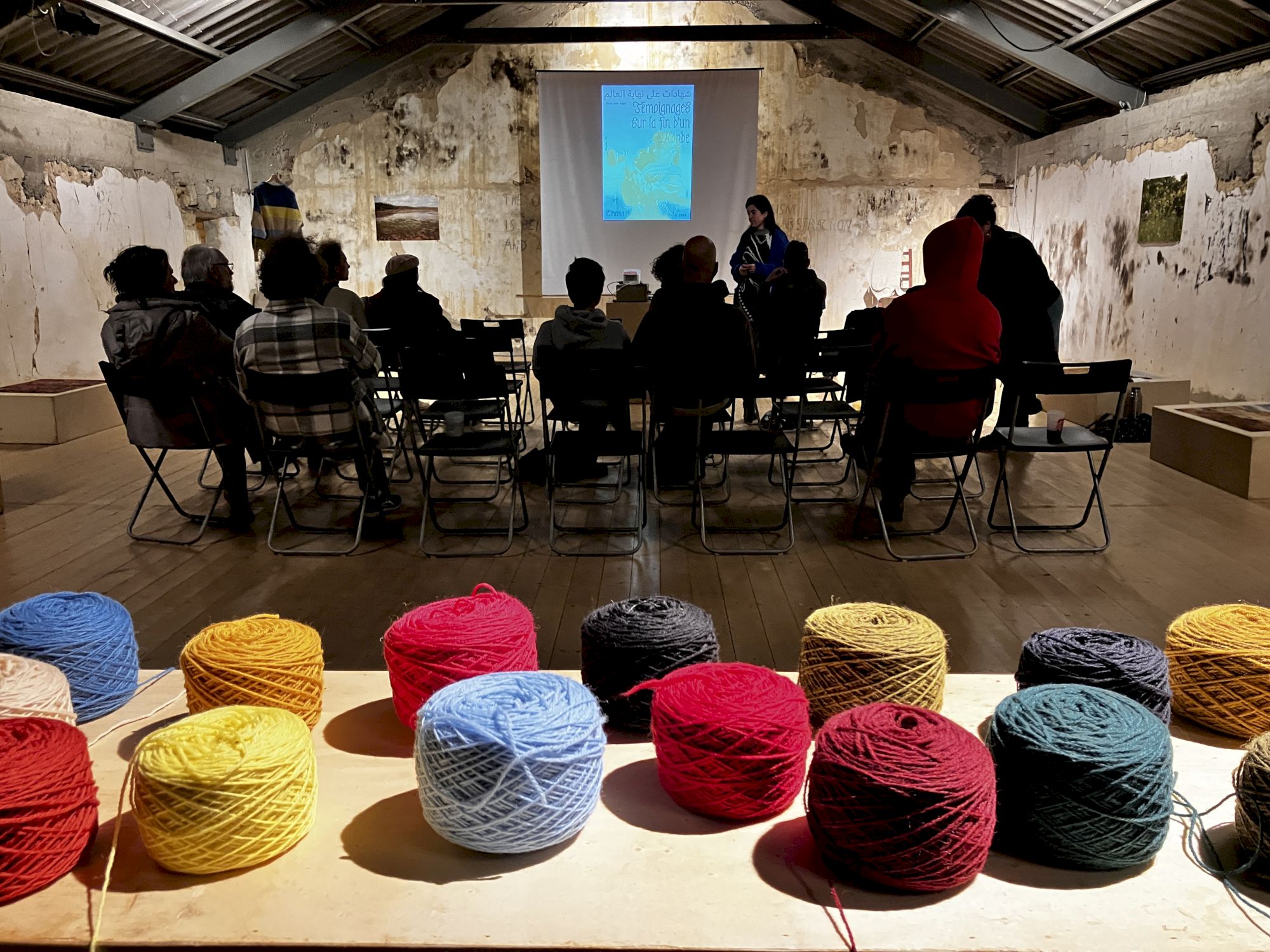
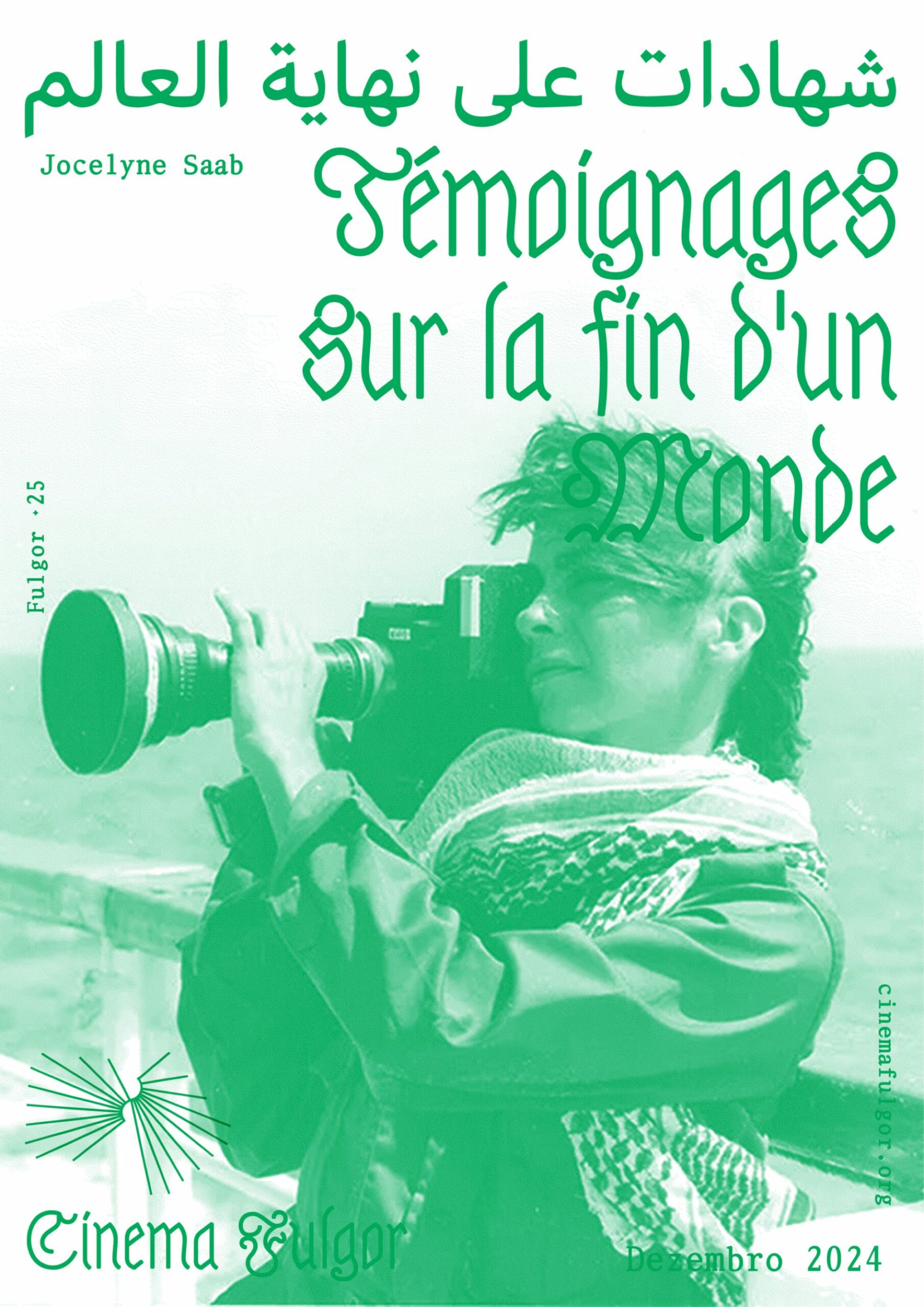
We hosted a series of 4 movies in the same month as the exhibition (August) and screened movies that were of the same calibre as in earlier times. Interestingly, in terms of timing and generational pull, the people who came to the cinema had grown much older in 2013 than in the past. In turn, they brought their grandchildren who were visiting them during the summer holidays. Together, they went to see the film and visit the exhibition that was presented simultaneously. This brought an intergenerational cross-pollination, with the past magic of the cinema still present within the context of CC at present. As a result, these cinema nights brought to CC a local but intergenerational cultural experience. We are still hosting these cinema evenings to this day, only that they are now hosted by a local partner (Cinema Fulgor), who curates films that are relevant within the context of São Luís as well as within present-day topics. Nowadays, the cinema nights attract many different kinds of audiences—as both CC and São Luís have evolved a lot in recent times.
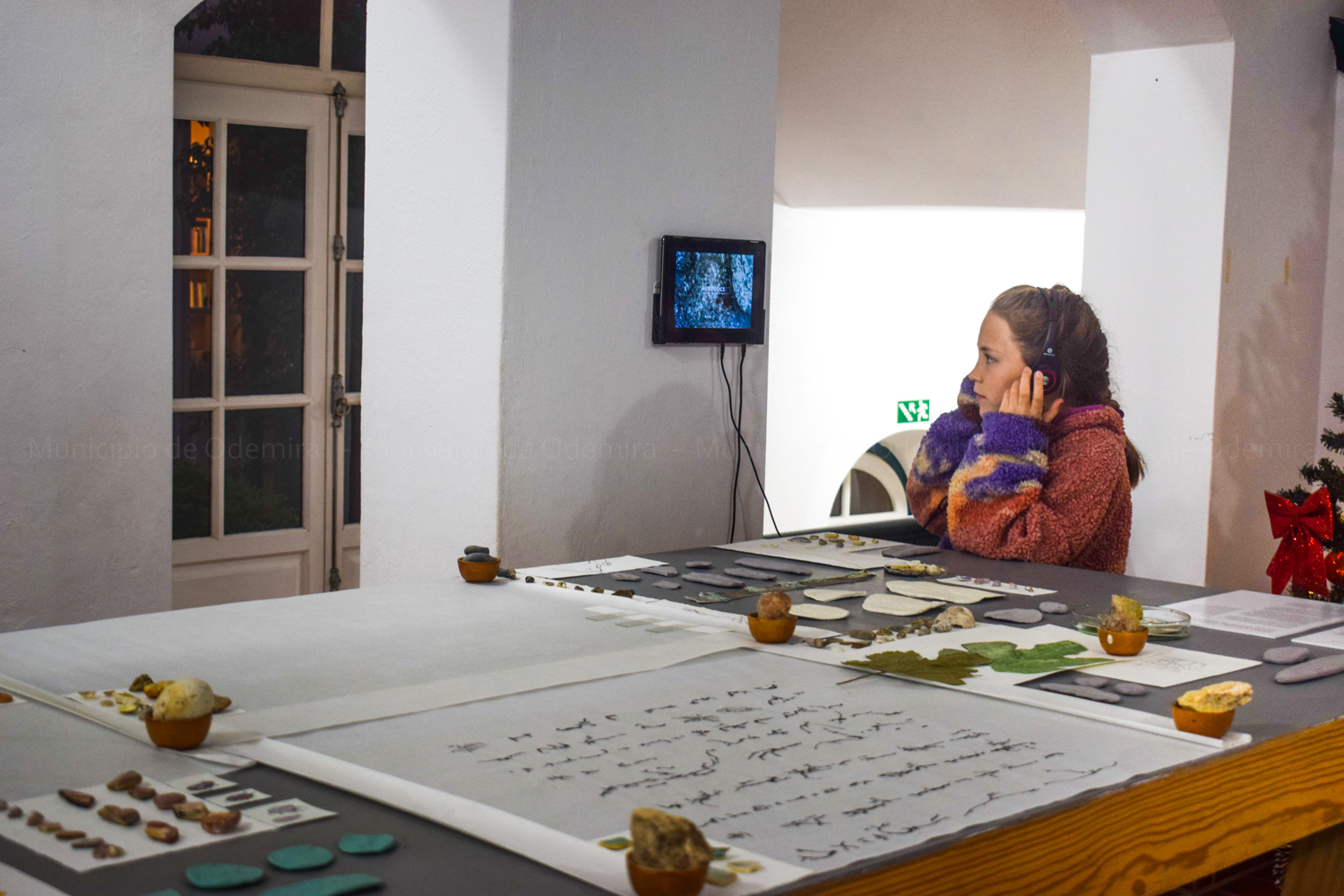
To dive deeper into these generational common grounds, we tried to interact with the local pre-university students who would often hang out in Odemira after school. We asked the municipality if we could exhibit our collection in a building where students and others often gather. The municipality proposed the Library of Odemira as a place where many people, including the students, come together in the winter before catching their bus. To this very day, we hold an exhibition in the library in December and transform the atmosphere so that teenagers can find common ground between their social meeting point and our artistically curated setting.
In the early stages of CC, our international outreach was mostly through exhibitions outside of Portugal. Connections with foreign venues (such as Verbeke Foundation) allowed for a widespread series of exhibitions. Later on, projects funded by Creative Europe extended opportunities to bring our local practice to different geographies. Throughout the years, both CC and its local context have changed significantly. One of the most prominent changes that we observed was how many (inter)national artists had decided to come and live in and around São Luís. A group of people started the Transição São Luís movement and organised activities such as film screenings, debates, lectures, local markets, etc. with the intention to develop the locality into a more resilient, conscious, and growing community. But when, among others, this movement brought in more international groups to our local audiences, CC had to navigate this new web of ethnicities and develop more tailor-made activities for engagement with our artistic practices. This was also possible because our team was present in the village all year round, which altered our perception of our audience(s) as well as the frequency of activities, such as workshops given during the summer camps organised by a local partner called Fundação Cerro, the above-mentioned Cinemas and, more recently, our participation in the project OASis.
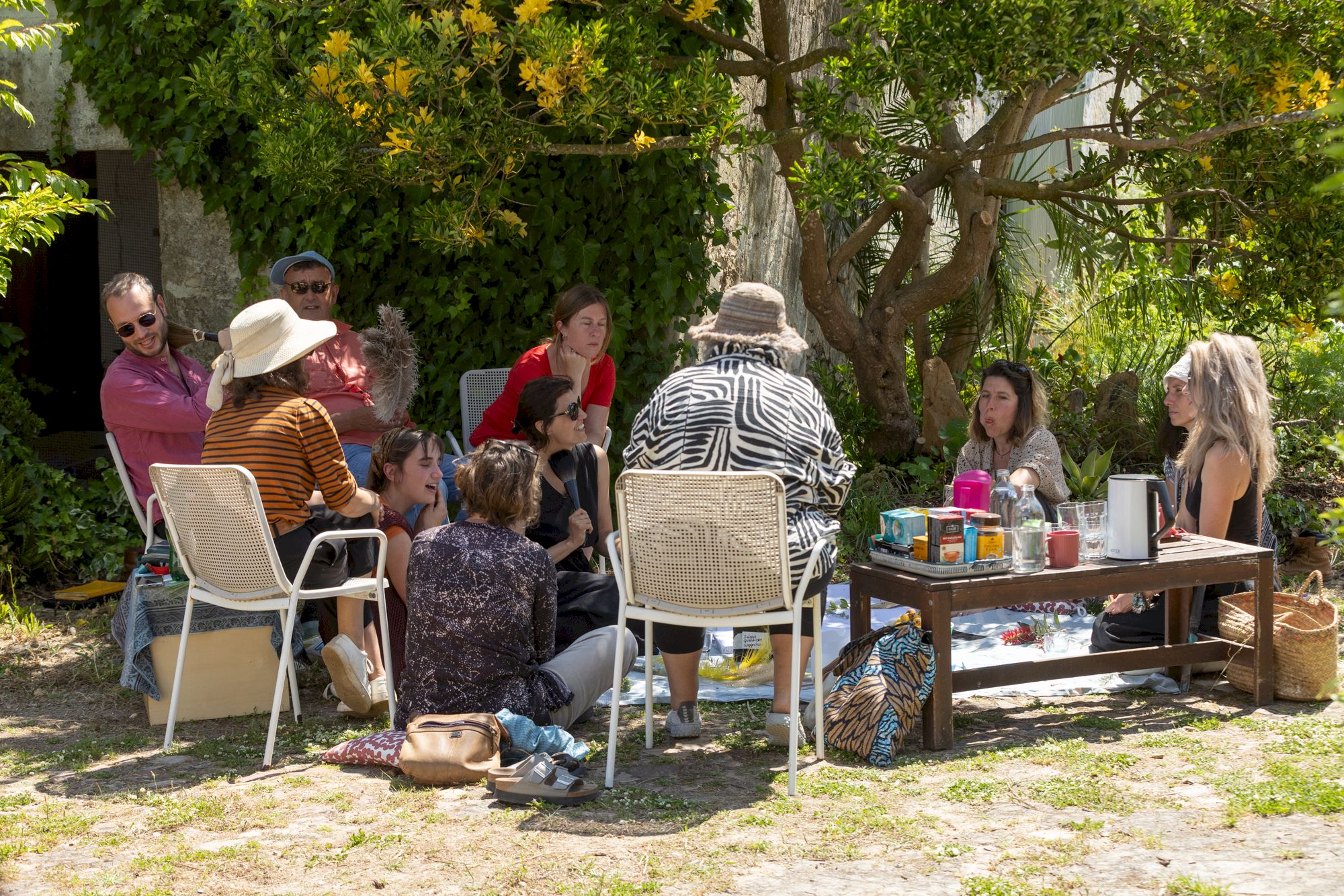
CC is currently a partner in the European project called OASis. One of its main objectives is to bring the local community and artists closer to each other. From this project emerged our recently introduced programme Criadores à Conversa (Creators in conversation). With our residencies as private events, curiosity lingers among our public. To overcome this boundary, our cultural mediator started a series of conversations that take place every second Saturday of the month at the same hour. Through previous experiences like our cinemas and the local town fair, we have learned that an event, portrayed as a recurring ritual, builds trust. This is reinforced by the bottom-up approach in which we assume participants are as much of a creator/contributor as the invited one. The conversations have already taken many formats (a debate, a workshop, a walk, a talk, etc.) and continue to be different. With every new format, new theme, and a new creator, the community remains engaged; each time bringing, learning, or experiencing something new. We invite not only residents but also local creators, which gives the latter a floor to experiment with the community but also creates another string connecting CC to the community. As a direct consequence of this programme, we integrate the knowledge circulating within CC, its partners, and its artists in residency with the knowledge circulating in the local audiences. Inviting both international and local creators strengthens the bond between the different communities present around São Luís and opens up more connections for Cultivamos Cultura to “cultivate culture” within its communities.
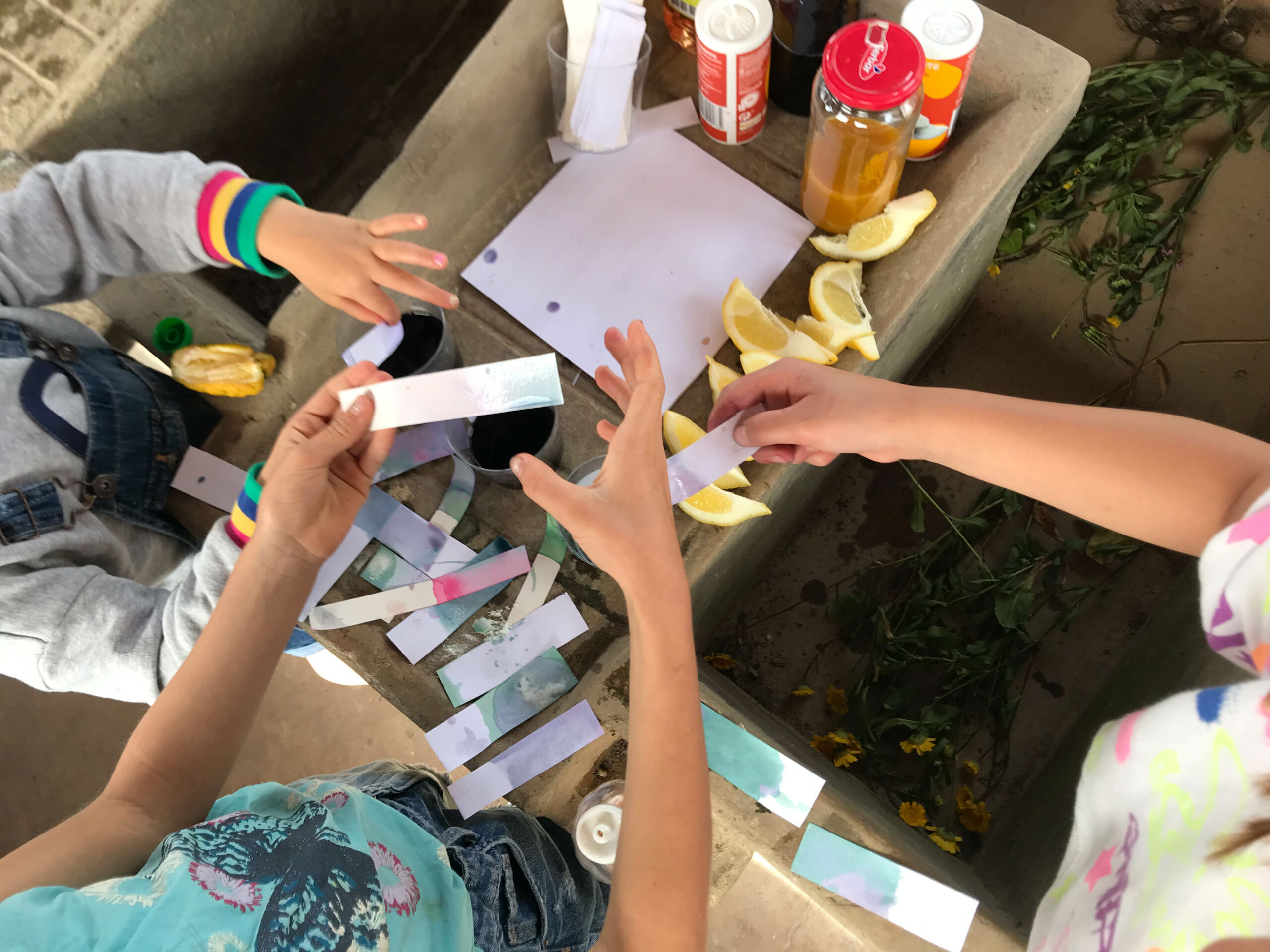
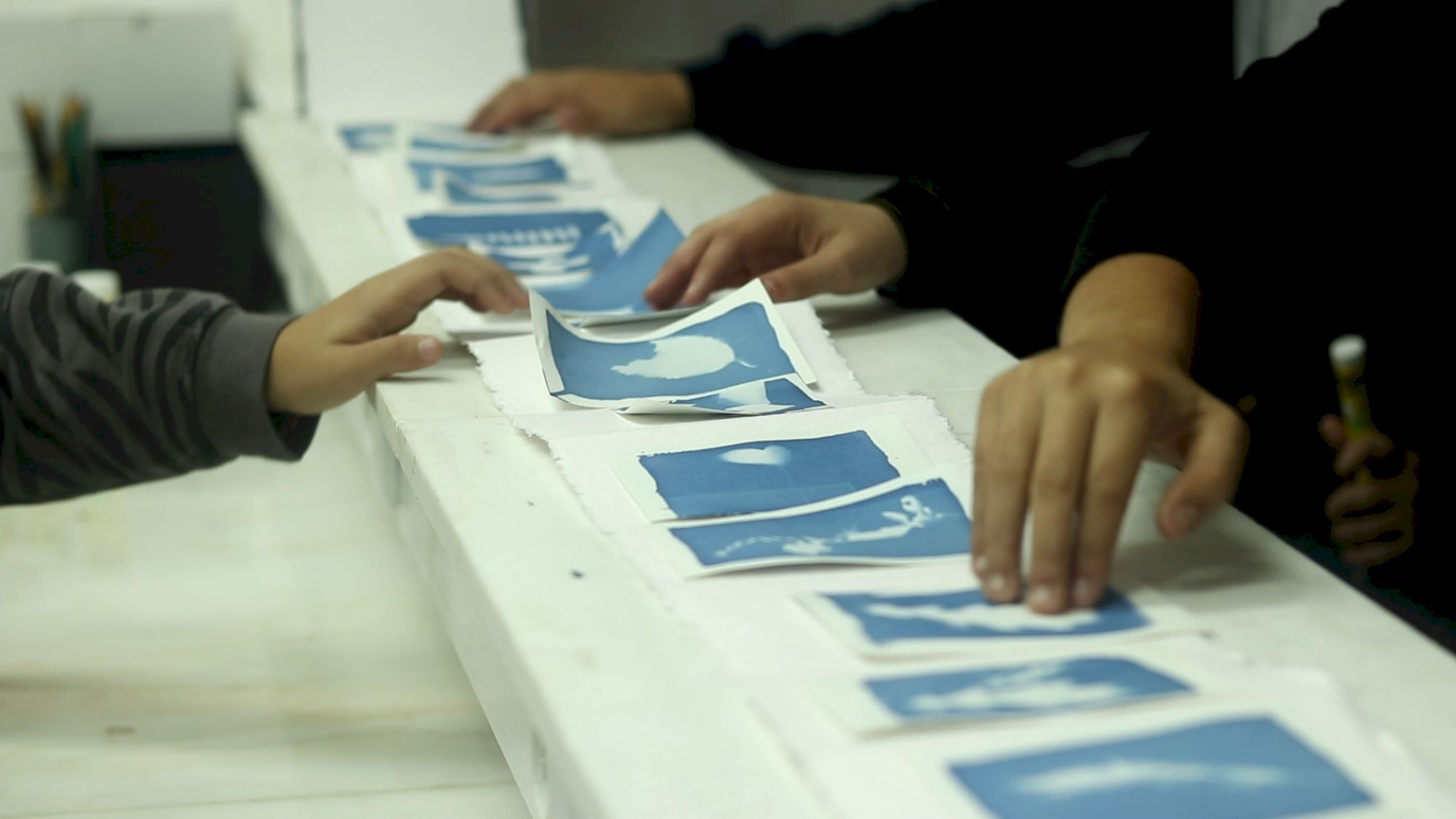
The final layer of community engagement are our youngest community members —which will also lead us into the next section. In the first steps of reaching out to the children around São Luís, we tried to bring them to our yearly exhibition in Odemira. To engage teachers in the surrounding schools with our exhibition, our cultural mediator created tailor-made “school dossiers”. These were designed booklets that connected the artworks in the exhibition to their school curriculum. Teachers walked through the exhibit with these and used them as a toolbox to encourage the children to interact with the artworks. Unfortunately, the trip to the Odemira library was sometimes difficult to organise for the schools and the dossiers were not engaging enough to bring them there. Therefore, we decided to change our focus. Instead of bringing the schools to our spaces, we went to the schools ourselves. Our cultural mediator very persistently started contacting different schools after we found financial support to give workshops. This set off a chain of many e-mails, calls, and meetings needed for us to understand their interests, curriculum details, and scheduling. The concept stayed the same: we proposed activities that connected our residents’ practices to a school’s curriculum. Slowly, we built a network between CC, our cultural mediator, and the surrounding schools. The children started to recognise us from the workshops and started mentioning to their parents what they had created with CC. We also held a few workshops with invited artists so that the children were in direct contact with what happened inside the walls of our association. All these activities have led to a yearly mediation programme implementing different ways of working with our local community. We now hold between 10 and 20 workshops per year in different schools and a few workshops in partnership with a local foundation. The most beautiful moments happen when a child “misinterprets” a workshop and creates a beautiful alternative instead. At present, we are also planning to exhibit the children’s works at CC to create a moment of encounter between different schools. An exchange between us, coming to the schools and sharing our knowledge, and them, visiting our space and showing their creations to family and other community members, builds strong connections intersecting multiple community layers.
Non-formal educational programming—Our Feral Labs
As mentioned above, educational practices have been an integral part of establishing a space of experimentation and engagement with art. In particular, our annual summer school—or in this context, our Feral Lab—has been a cornerstone programme for CC and has been indicative of our consistent activities over the years. As a consequence, this particular education programme has already undergone multiple changes to find the best formula for CC and our different communities.
Feral Labs began in 2013 as a new five-day intensive programme targeted at adult participants. We started it as a valuable investment in educational programming. Producing new knowledge together with artists in an informal setting enriched the contact between the participants and the artists, but also among Feral Lab participants themselves. Even though the programme has changed over time, the structure of non-formal learning stayed the backbone of our Feral Lab experience.
As a form of consistency, Marta de Menezes maintains the role of the lead faculty member each year. It also allows Feral Labs to connect with each other and with CC. For example, ideas and surprises that happened in the previous Feral Lab can be retold by Marta in the next one. In doing so, we create an atmosphere of trust and interconnectivity—as if the participants were in a place carrying many past inspirations. Every year, Marta curates a programme revolving around a central theme and invites at least one practising artist and one practising theorist. On the participant’s end, CC broadcasts open calls for enrolment through mailing lists and social media platforms. Additionally, we engage different fine arts programmes to allow for a set of motivated students to apply for a scholarship.
Even though we experienced beautiful Feral Labs in the first year, it became clear early on that a five-day programme was not enough for our faculty and learning community to meet each other. Therefore, in 2014, CC expanded the Feral Lab to a two- to three-week programme, which is currently still the format. This allows participants to not only learn through workshops and lectures but also to integrate and materialise this acquired knowledge into practice. In the first week, we schedule studio practices, techniques, and theoretical discussions specifically to build a knowledge foundation. For example, we let the participants develop microlandscapes on a medium to grow microorganisms and observe their microscopic topography. In this way, participants are handed different tools and ways of understanding—in this particular case, part of Marta de Menezes’ bioart studio practice. In week two (and three), the focus shifts towards independent studio work with the assistance of the faculty and the support of the surrounding community. This leaves time for the students to develop a micropractice within one learning experience. It creates space to let knowledge settle into the mind, integrate it into new ideas and materialise it into experimentation.
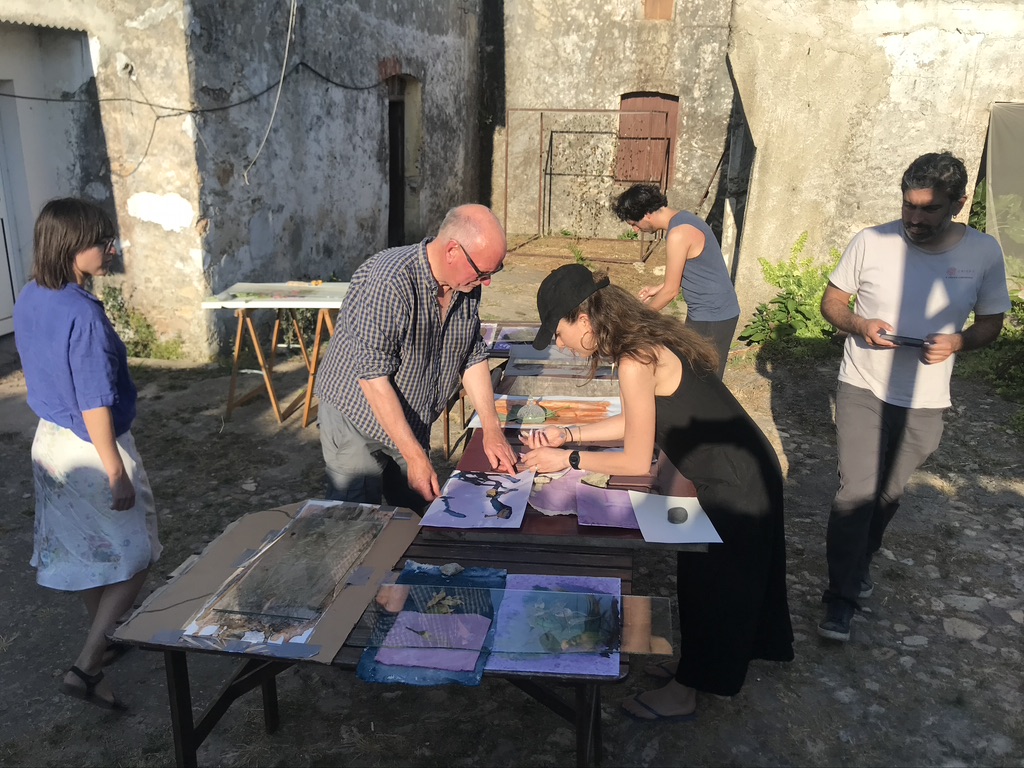
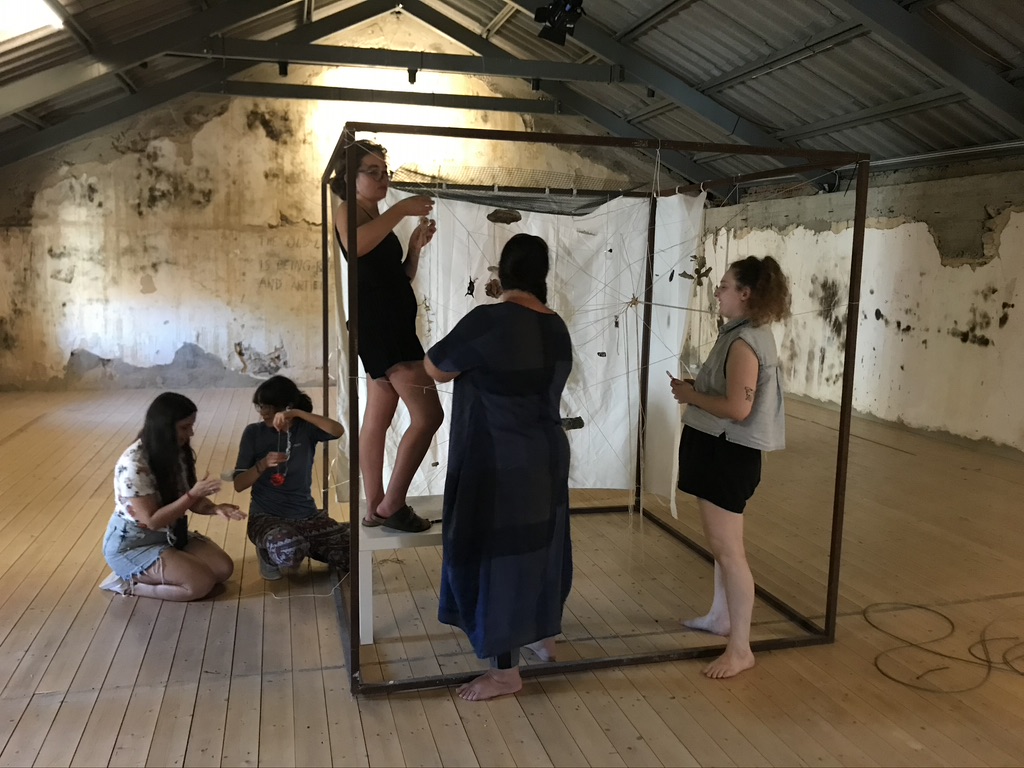
Because these teaching experiences were so meaningful and were not yet developed as a practice, Marta de Menezes engaged in 2018 the University of Massachusetts to develop an accredited university course with professor Ellen Wetmore. This collaboration got translated into a compressed Feral Lab structure entitled Contemporary Art and Life Sciences Workshop in Portugal. This interdisciplinary course gives non-specialists the opportunity to acquire theoretical knowledge and practical skills at the intersection of art, biology, the environment, and visual arts. Similar to the traditional CC Feral Lab, we explore this intersection through hands-on exercises that combine theory and practice in an informal setting.
On the theoretical side, we integrate topics such as the cultural representations of technology and science, ethical concerns, and the evolution of bioart as a cultural phenomenon. This involves exploring scientific concepts, processes, and knowledge, and then applying them to the creation of art, but also applying artistic approaches to scientific practices. A continuously engaging component of Feral Labs is the talk by Luís Graça, in which we learn about thought-provoking concepts within immunology. This often challenges participants to understand how a biological system can be “creative”, or how biology also deals with social concepts like “identity” and “memory”. These trains of thought often lead to interesting conceptual bases for art projects. In our Feral Labs, we integrate the theoretical side in a diverse set of exercises, such as seminars, debates, visits, and creation of artworks, with biological media, etc. What is more, as part of the course, students are asked to document their work/methodology/process by keeping both an offline and an online journal.
The practical component of the first Feral Lab week occurs mostly in our laboratory, our workshop, and within the surrounding natural environment. The course, by nature, is a travel abroad programme and at root focuses on being in southern Portugal and its flora and fauna. The underlying intentions are the possibility of transforming abstract concepts into art objects, but also the collection and selection of organisms for artistic purposes. Teams of art and science students are expected to complete projects and are asked to present their ideas/works or to take part in formal critiques. For example, one workshop that brings them from the natural environment into the lab is our collection of sea urchins. Here, we make an excursion to the ocean, catch sea urchins, and challenge our participants to temporarily take care of them in our lab. While engaging in this practice, the participants are stimulated to reflect on ethics within a laboratory, on a culture of care for “the other”, and on what we ourselves can learn from sea urchins. Finally, in the second (and third) week of a Feral Lab, participants can take time to integrate perspectives, new techniques, and impressions. During this period, tools and materials are available to freely explore different projects that emerge from their reflections. The course typically culminates in a public exhibition of the works at CC and/or the hosting institution.
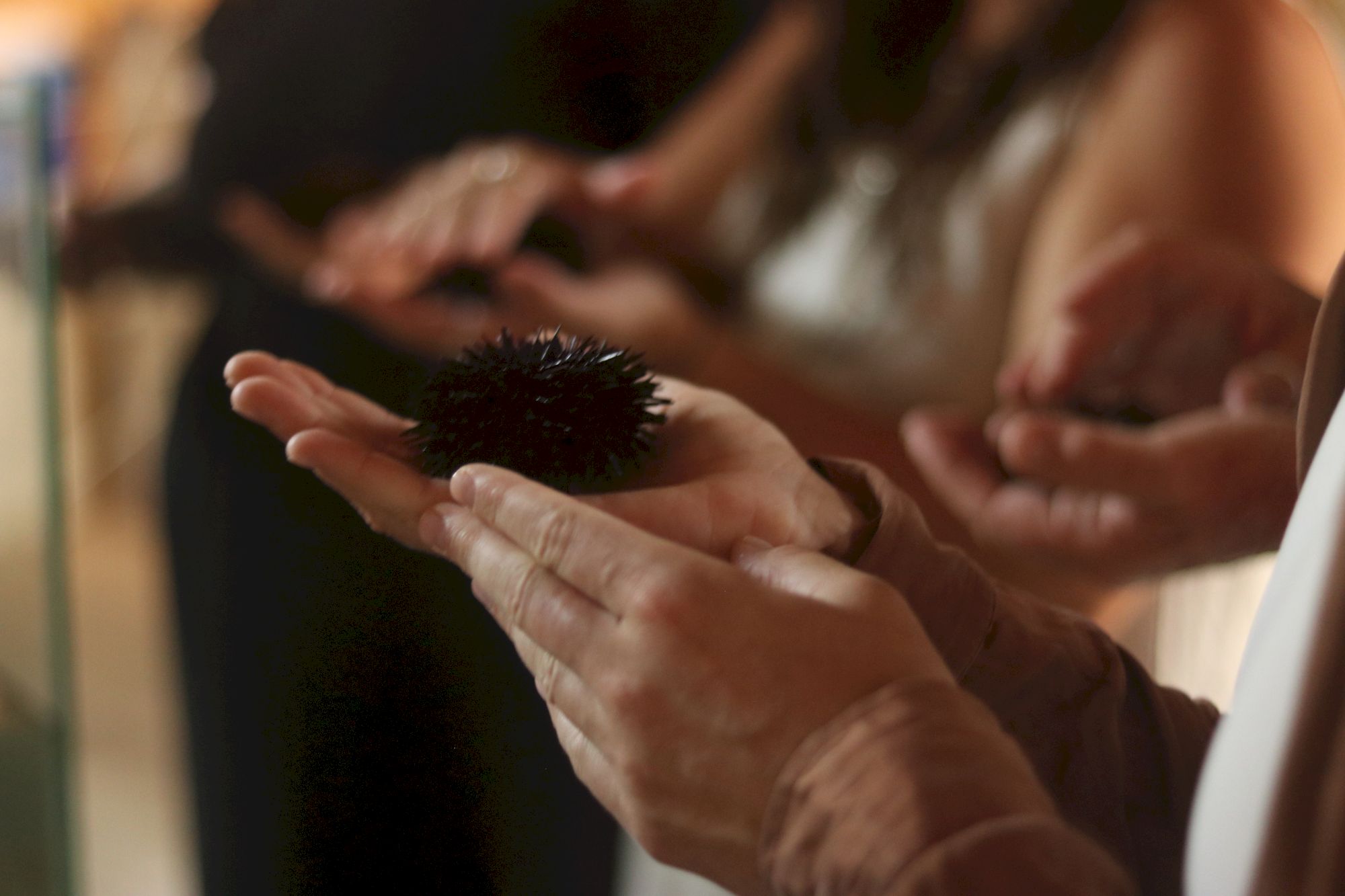
Each year, CC has been evaluating the structure of the Feral Lab programme and how we can better structure our activities for both our international and local participants. In 2025, with the partial funding of Rewilding Cultures, we offered scholarship opportunities to two local participants. This not only benefited the participants themselves, but also helped us emit our diverse programming to the community of São Luís. Moreover, the project of Rewilding Cultures gave us the opportunity to purchase specific materials and give the participants the opportunity to use and experiment with them.
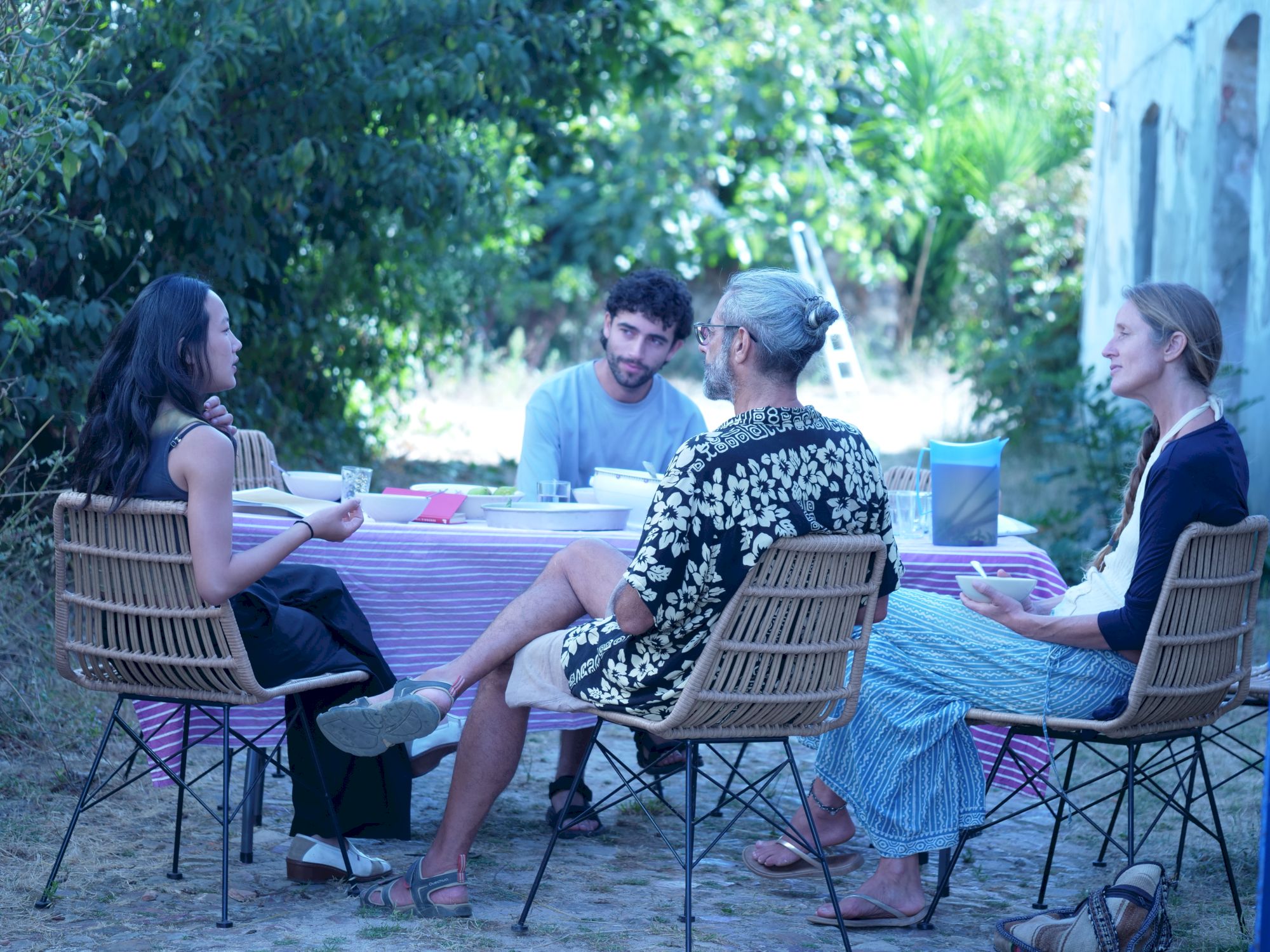
One of the things that we really want to highlight when it comes to creating conditions for fostering creativity and cultural exchange cannot be written into advertisements or publicity: we try to create atmospheres with every participant and staff member on an equal, non-hierarchical level. In our co-living situation, we all take on the responsibility to take care of our environment, of each other, and of the ambience. Sitting at the table together with the people who teach workshops and organise the schedule allows for casual conversation topics and friendships to arise. Also, daily activities such as shopping at the local farmers’ market and buying bread from the bakery allow our international participants to have a taste of local culture and daily life. Food has always been a topic of conversation in the sense that we come together to cook, eat, and clean. It becomes a moment to discuss cultural differences and establish points of connection. One of those special moments happened in our 2025 Feral Lab, where a student from Mexico volunteered to cook and share Mexican tacos. What proved to be a challenge was that she had to bear in mind the differences in Portuguese local ingredients and make substitutions to create the perfect tortillas—to the point that she had video chats with her family across the world. These moments of shared cooking not only provide nourishment but also give us all an understanding of the importance of food as a tool to springboard global communication. The fact that a student was inspired to cook in a rural Portuguese village, which made her navigate the local resources (a tiny supermarket and farmers’ market), shows a beautiful global and hyper-local cultural exchange and conditions for creativity. These moments show us how a non-formal education programme allows students to learn on many more levels than just within theoretical and practical exercises.
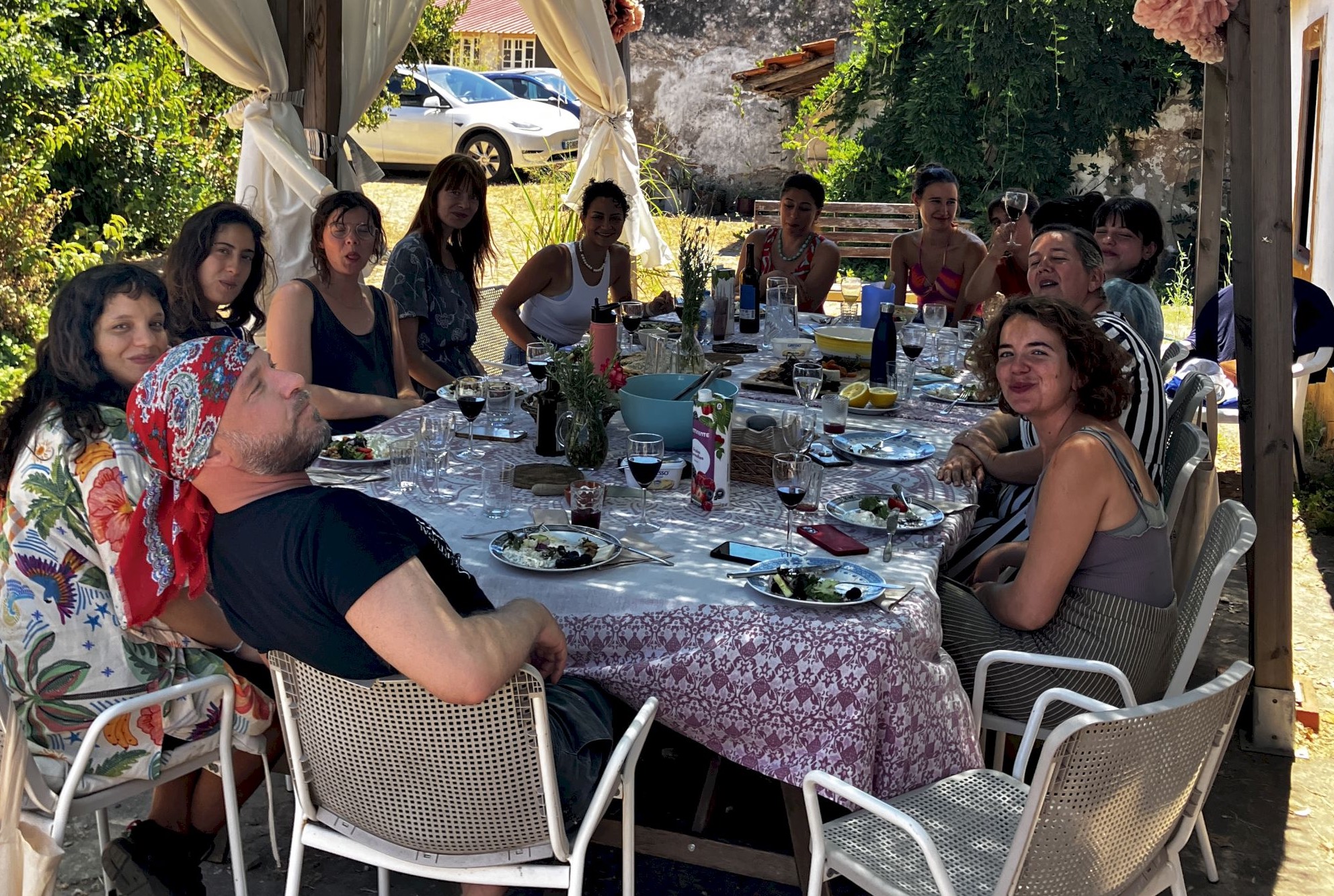
Besides its non-formal educational format, Feral Lab also really stands out for its audiences, which are a blend of international, national, and hyper-local participants. Each participant brings different tools of knowledge and experience to the table. The mix of participants is shaped by hyper-local and national scholarships and international outreach through Creative Europe-supported projects, such as Rewilding Cultures. Moreover, with the funds of Rewilding Cultures, we are able to cover the costs of materials and secure faculty payments, avoiding the need to enforce a minimum number of participants. In between these cross-pollinations of cultures, shared experiences are formed through workshops, lectures, readings, local ecology, song, dance, food, storytelling, and more.
In years past, we made efforts to identify which formats and aspects contribute best to an educational programme that fosters conditions for creativity and cultural exchange. Taking this into account, we are imagining future university-wide programming based on a structure that involves remote work and preparation for the actual Feral Lab. Then, within a concentrated physical lab at CC (usually around ten days), this remote work will be implemented in the above-mentioned combination of theoretical, practical, and independent work. This ten-day course will produce outputs that can be presented at CC or at a curated exhibition at the students’ home institution. The latter would be further developed afterwards through remote work. This framework allows for the optimal use of time and for preparation as well as production in a hybrid format. We are now implementing these new formats and fine tuning their content to different universities, situations, and relevant subjects. Our Feral Labs are flexible and can be adapted to what makes sense but will always support the idea of non-formal education and the fact that it fosters an engagement with arts and creativity.
Communication strategies — portals to community engagement and educational practices
Looping back to our initial framework, CC has had to adapt to a pluralised—or even “schizophrenic”—audience, from elderly locals and school students to international artists, academics, migrants, etc. The pillars, community engagement, and educational practices mentioned above visualise a set of strategies to reach these different layers of our community. Complementarily, in our third pillar—communication strategies—we have been developing an exchange within our pluralised ecosystem. These three pillars act as connective infrastructures that find common ground in the strategies we have been developing.
On the one hand, our local engagement at CC is rooted in the sustained presence of a cultural mediator. The mediator has been embedded in the community, therefore allowing informal communication through word of mouth, daily encounters, and visible participation in daily life. Moments like meeting a child in the supermarket who immediately starts smiling and proudly states s/he still has the piece of art we made together in a workshop allow for a type of communication that would never happen without a face-to-face interaction. Besides, structured programmes such as Criadores à Conversa hold spaces for workshops, Q&As, object-based discussions, and studio visits that integrate and therefore communicate our internally circulating knowledge. They break communication boundaries and start from a bottom-up, participatory approach. Moreover, collaborations and residencies with local artists also ensure that activities remain relevant and deeply connected to the community’s context. They can then act as catalysts for our communication with the deeper layers of our community.
On the other hand, our international communication has been developed through residency programmes and networks that attract international artists and researchers from diverse fields, including art, biology, and philosophy. They exchange knowledge between their locality and São Luís, and further interconnect this through online media and travel. This intercultural communication also manifests in our educational practices as exemplified above. Events such as our Feral Labs currently combine online lectures with on-site residencies and follow-up exhibitions. Through partnerships with universities, our Feral Labs provide further access, cemented by recognition and knowledge exchange. Finally, they ensure reinforced fair compensation and long-term sustainability, aided by initiatives such as Rewilding Cultures. This allows for communication with communities that we might otherwise not be able to listen to.
In both local and international engagement, digital communication plays a central role. At CC, we are active on social media platforms, including Facebook and Instagram, and more recently, Bluesky. These engage a plurality of audiences and allow us to observe demographic shifts and trends through platform use. Recently, we distributed an open call through two Instagram accounts (@maisumcasting and @Art Connect), and this resulted in 500 applications as well as a rise in interaction with our social media platforms. Moreover, platforms such as Vimeo and YouTube host our microdocumentaries that present artist residencies, creative processes, and selected exhibitions. Additionally, our 3D digital transitioning researcher has been digitising the artworks in our collection, contributing to a digital archive that is being integrated into the main website. As a result, we ensure accessibility and institutional memory, which is particularly needed for the dissemination of our biodegradable art pieces among our international audience. In addition, we maintain a monthly newsletter, keeping informed both local and international communities about ongoing activities.
Audiences increasingly engage online and in-person with CC. They positively react to our hybrid and cross-disciplinary approaches, such as open days and exhibitions presented with contextual framing, engagement with mediation, as well as activities involving working with local memory and traditions. Beyond this point, we envision the communication strategy of CC to include continuing exploration of emerging social media platforms to be able to respond to our audience’s migration.
Having discussed communication with our audiences, it is also always essential, by default, to maintain long-term relationships with our artists. We consistently inform them when their works are exhibited and provide them with materials to share, which extends visibility through collaborative communication. More recently, testimonials from former artists and participants in CC events have been introduced and strategically shared across social media platforms, highlighting lived experiences and strengthening trust through peer-to-peer communication. Collaborative communication practices with artists will remain central to our efforts, including shared posts, follow-up materials, and invitations to events. Testimonial campaigns will be sustained and expanded to amplify impact. It is needless to say that securing stable funding for communication and community engagement is essential, alongside a continued commitment to co-creation and participatory formats that keep communication embedded in community life.
Conclusion: how to cultivate culture?
How to circulate the knowledge that grows within a private studio space within near and far circles? Where can we find junction points between different parts of our cultural association to foster conditions for their creativity? Coming back to the questions we posed in the introduction, we tried to answer them by describing multiple processes that CC has undergone. We have structured these processes into three pillars and elaborated on our community engagement, educational practices, and communication strategies.
The pillars all rest on the same principle: cultivating conditions where people come together to share knowledge and moments of creativity. In the light of community engagement, one of the processes we navigated had to do with the cultural memory of our physical space. Its importance showed us how to assume that people are looking for the new atmosphere we created when establishing CC. We learned how co-creating atmospheres between CC’s practices and the community’s meaning for the space brought intergenerational junction points to CC. We realised that, to develop this intergenerational reach further and build relationships, it is important to travel outside of CC, into the surrounding spaces. In addition, rituals and collaboration can build trust between our association and the community. It is important to travel to other spaces with our knowledge and at the same time bring variation to ours.
Many of these processes accumulated in a mediation programme that binds different networks together through qualitative encounters. This mediation programme serves the idea of creating atmospheres of creativity and cultural exchange. As discussed in the first section, we’ve created well-designed programme for different generations (workshops, recurring artist conversations, cinema sessions, etc.), but we nevertheless always strive to promote cross-pollination between generations.
Our community engagement and educational practices are very interwoven; a relationship that became clear throughout the discussions at our Feral Labs. Our labs became a way to interconnect both near and far circles across our communities. Besides, we’ve described our Feral Labs in the context of how they created a space for people to engage with art and explore creativity. Something that became very clear early on in the process of establishing our labs was the importance of time—time to absorb information, allow it to settle, to create, and finally present. As the labs evolved, these distinct phases were deliberately integrated into a hybrid (remote/physical) lab structure. We realised that in order to foster art engagement and creativity, we needed to find a balance between consistency and variation as well as between different layers within our communities. Due to our involvement in Creative Europe projects and collaborations with universities, our participants now range from hyper-international to hyper-local. These groups of people can easily encounter each other within the non-formal nature of the lab. We not only challenge their critical thinking through the interdisciplinary content of the lab but also provide a place of exchange within our co-living situation, shared meals, and moments outside the structured courses. We’ve come to the conclusion that the process of continuously improving our Feral Lab into the most fitting version shows many ways in which space can be made available for creativity and art engagement.
Finally, at CC, communication strategies act as portals into conditions where people come together to share knowledge and moments of creativity. By combining flexible in-person local engagement and digital strategies, the institution ensures that cultural initiatives resonate locally and internationally, supporting a sense of connection and co-creative ownership. Additionally, through participant testimonials and continuous follow-up with our artists, we nurture a network that brings artists, the audience, and team members towards collective moments of cultural exchange and conditions of creativity. Our communication strategies act as glue between the other two pillars, and together they form a connective infrastructure that enables the circulation, articulation, and disentanglement of cultural knowledge across local and international contexts.
Bibliography
Barreto, R. A., & Flavel, A. (2025). Cross-Pollination Dynamics of Web-Based Social Media: An Application of Insect-Mediated Pollen Transfer. arXiv.
Coleman, D. R. (2015). Responding to the Needs of the Contemporary Marketplace: The Use of Cross-Pollination Class Projects in the Undergraduate Classroom. College Student Journal, 49(2), 312–316.
Coleman, D. R., & Salter, C. (2015). Psychological Empowerment of Students Using Cross-Pollination Class Projects.
Czegledy, N. (2018). In Praise of the FEMeeting. Virtual Creativity, 8(2), 123–129.
de Freitas Castro, B. (2020). Pensar e fazer um festival de pequena escala no campo [Master’s thesis]. Universidade Nova de Lisboa.
Jain, P., Rodrigues, T., & Magno, G. (2011). Cross-Pollination of Information in Online Social Media: A Case Study on Popular Social Networks. IEEE.
de Menezes, M. (2011). In the Beginning There Was Word 1. Ecozon@: European Journal of Literature, Culture and Environment, 2(1), 109–116.
de Menezes, M., & Honorato, D. (2024). Cultivating Viral Culture: Artistic Research Infrastructures and Care. In Art and biotechnology: Viral culture from CRISPR to COVID. Bloomsbury Publishing.
Mackenzie, L., Šebjanič, R., Żyniewicz, K., & Raty, I. B. (2021). Mantenir-se en contacte: Cas d’estudi de recerca artística durant el confinament per la COVID-19. Artnodes, 28.
Morell-Rovira, J. (2021). The other residents: Apropaments a no humans en l’obra de Paula Bruna. Croma, 18.
Nøjgaard, M. Ø., & Bajde, D. (2021). Comparison and Cross-Pollination of Two Fields of Market Systems Studies. Consumption Markets & Culture, 24(2), 125–146.
de Sousa, S., Mead, E., Stephenson-Bartley, J., & Alexiou, K. (2023). Cross-Pollination Resource Pack: Facilitating Cross-Sector Design Collaboration. Open University.
Vaage, N. S. (2017). Fringe Biotechnology. BioSocieties, 12(4), 561–584.
Woodland, R. H., & Mazur, R. (2019). Examining Capacity for “Cross-Pollination” in a Rural School District: A Social Network Analysis Case Study. Educational Management Administration & Leadership, 47(5).
More on Cultivamos Cultura