
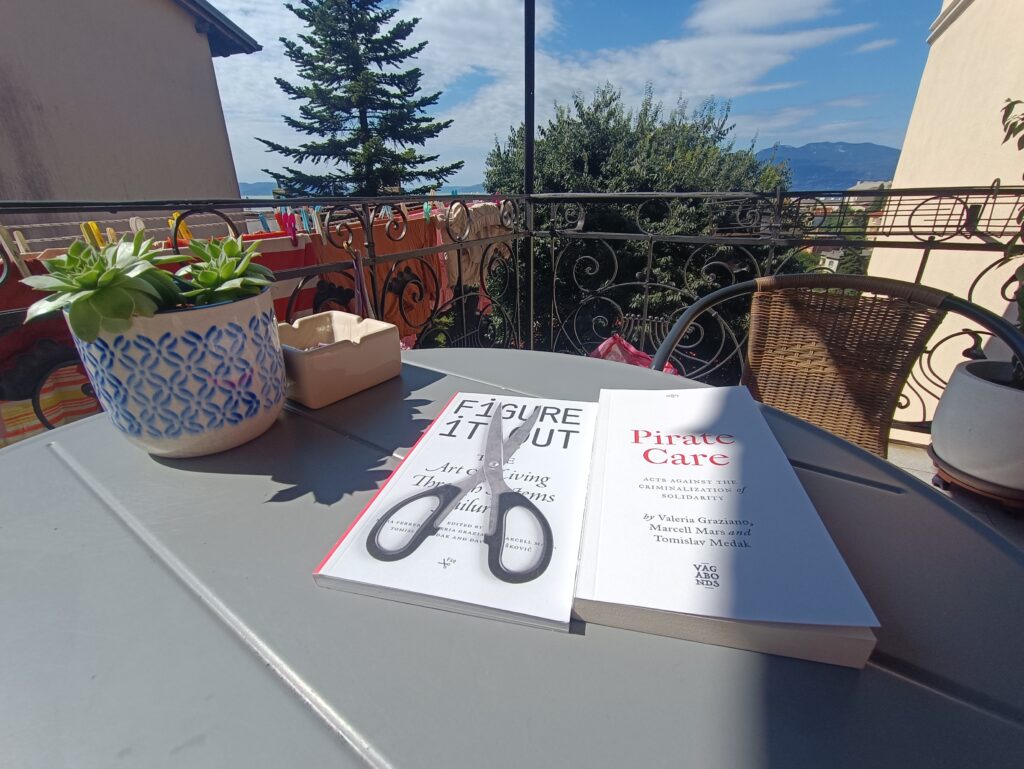
"When everyone is librarian, library is everywhere". Photo : CC-BY-SA Cathsign
Through its mobility grants, the Rewilding Cultures programme encourages new ways of imagining travel and cultural exchange in Europe. Catherine Lenoble, winner of the 2025 mobility conversation, reflects on her experience here.
Catherine Lenoble is a text worker, hybrid artist and commons activist based in Tours. Alongside her cultural activism within creative communities (hacklabs, fablabs, medialabs, publishing, cyberfeminism), she is developing a research-creation space that questions how we read, write and edit in a digital environment. Since 2010, she has been creating editorial and/or fictional objects, web and/or print, in situ and/or online, in the form of publications, installations, performances and workshops. In 2022, she co-founded the PrintLab with artist Dieudonné Cartier, a workshop dedicated to riso printing and micro-publishing within a fablab in Tours to explore other ways of thinking about publishing. For the love of print, short supply chains and marginal narratives.
She went to Croatia to meet the initiators of Pirate Care (Valeria Graziano, Marcell Mars, Tomislav Medak and Davor Mišković) a transnational research project and network of activists, academics and practitioners who oppose the criminalisation of solidarity and advocate for a common care infrastructure.
What if…?
What if we could take a step (or steps) back in terms of cultural and artistic mobility, what would we “allow ourselves” to do?
It didn’t actually take me long to come up with a proposal, encouraged by the original format of the Rewilding Cultures grant.
Travel by train.
Take my time.
To travel with a web-to-print publishing tool.
To visit artist-researchers in Croatia who share similar interests in these practices (publishing tools, open knowledge, technical infrastructure maintenance).
And to experience this adventure with my son.
That’s how we set off for 12 days in August with Yuri, aged 8, heading for Croatia.
Pozdrav Rijeka : )

Edit too
I had been wanting to experiment more with projects combining micro-publishing and web-to-print technologies for some time, in order to continue developing interesting editorial productions. Web-to-print combines: ‘the use of web technologies (HTML, CSS and JS) to produce a print-ready PDF file from a browser, the use of free and open source tools for graphic design, and the use of programming and scripts for layout’.
These practices are quietly revolutionising a system dominated by publishing chains that are still very vertical, commercial and proprietary. They are the work of a community of artists, designers and collectives that are very active in Belgium, the Netherlands and France. They are part of a continuum of thinking that stems from ‘permacomputing’, a movement at the crossroads of digital arts, hacking and web design that advocates more sober tools and resource-friendly practices. ‘Permapublishing’ is its application in the field of publishing and graphic design.

Sarah Garcin is one of these curious minds, an artist-designer and member of the Atelier des chercheurs and the collective Prepostprint, which explores alternative paths to publication (and a whole host of other convivial practices ranging from cooking to radio and, more recently, technocritical songwriting!).
‘Hello Sarah?’ We had already worked together in the past, and we were picking up where we left off with our projects, so I shared with her my desire/idea to use a publishing tool (to be able to edit and narrate ‘all-terrain’ content, in situ or on the train). A month later, we met up at La Générale in Paris in July for a working session, ready to test a ‘companion tool’ for the upcoming trip.
The railway adventurers
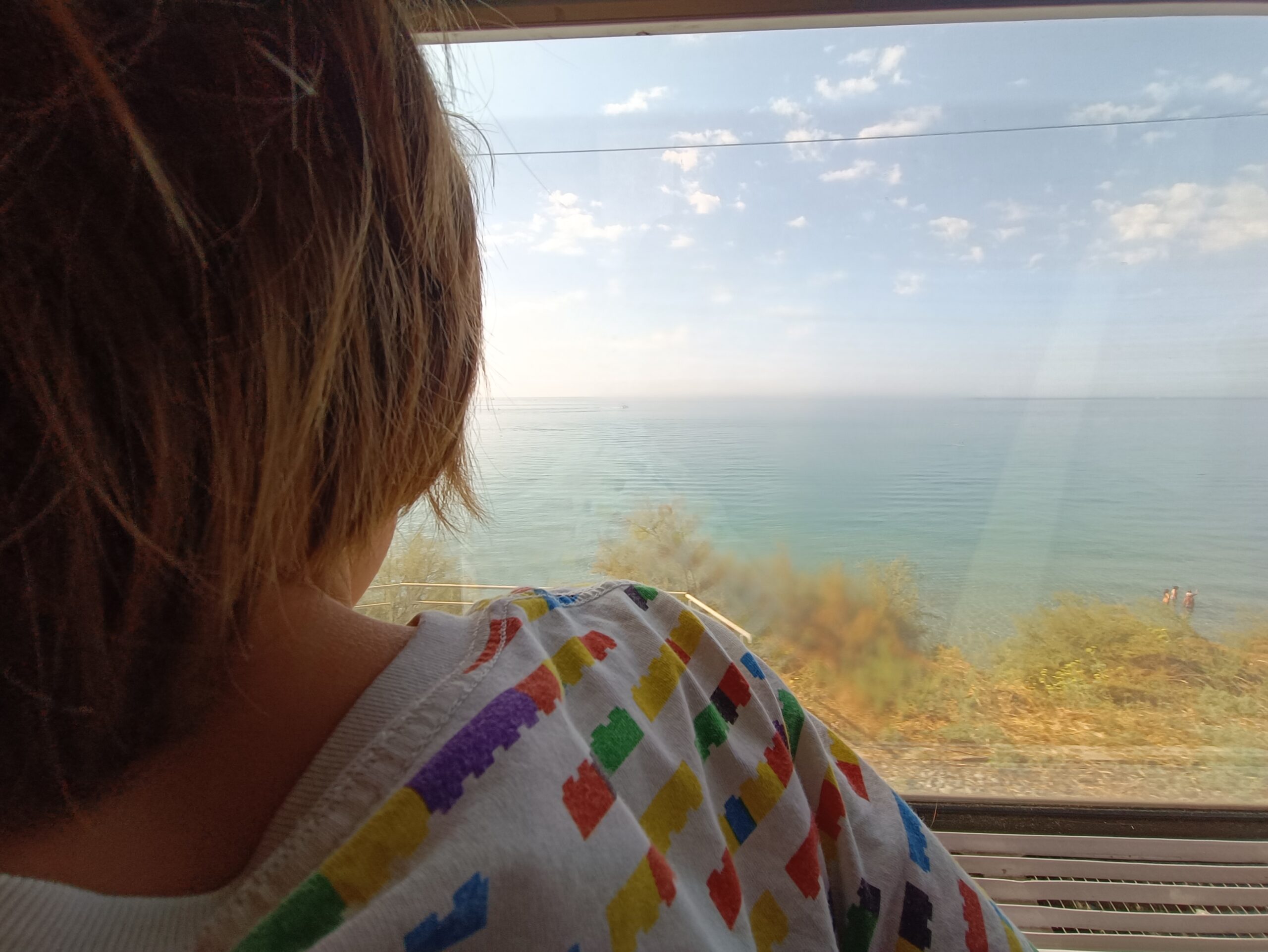
I must admit that what changed my whole perspective on this trip was travelling with my 8-year-old son. There’s something different about travelling with a child. What happens at eye level. What is looked at, questioned, desired. What is listened to and tasted. What is created.
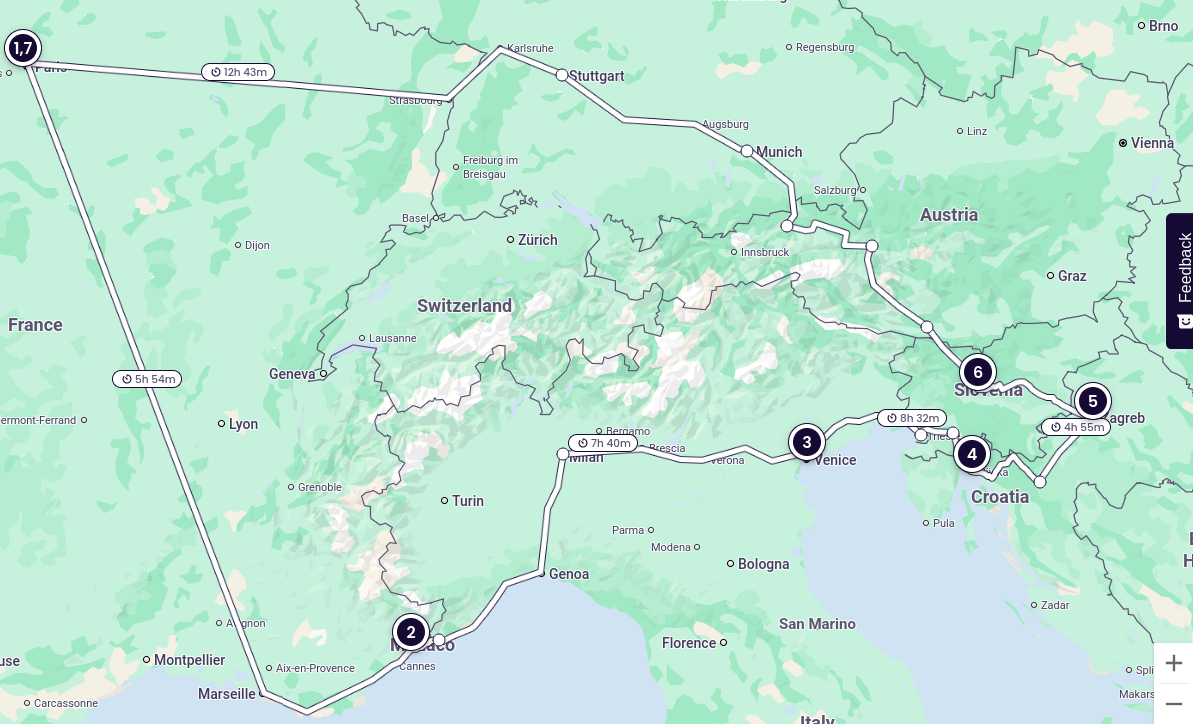
The journey began on the Paris-Nice night train, that legendary night train line that runs along the Mediterranean coast at dawn. It took us an extra day to cross northern Italy and reach Venice in the evening. Arriving by train in Venice, between land and sea, is always magical. We stayed there for three nights on the island of Giudecca.

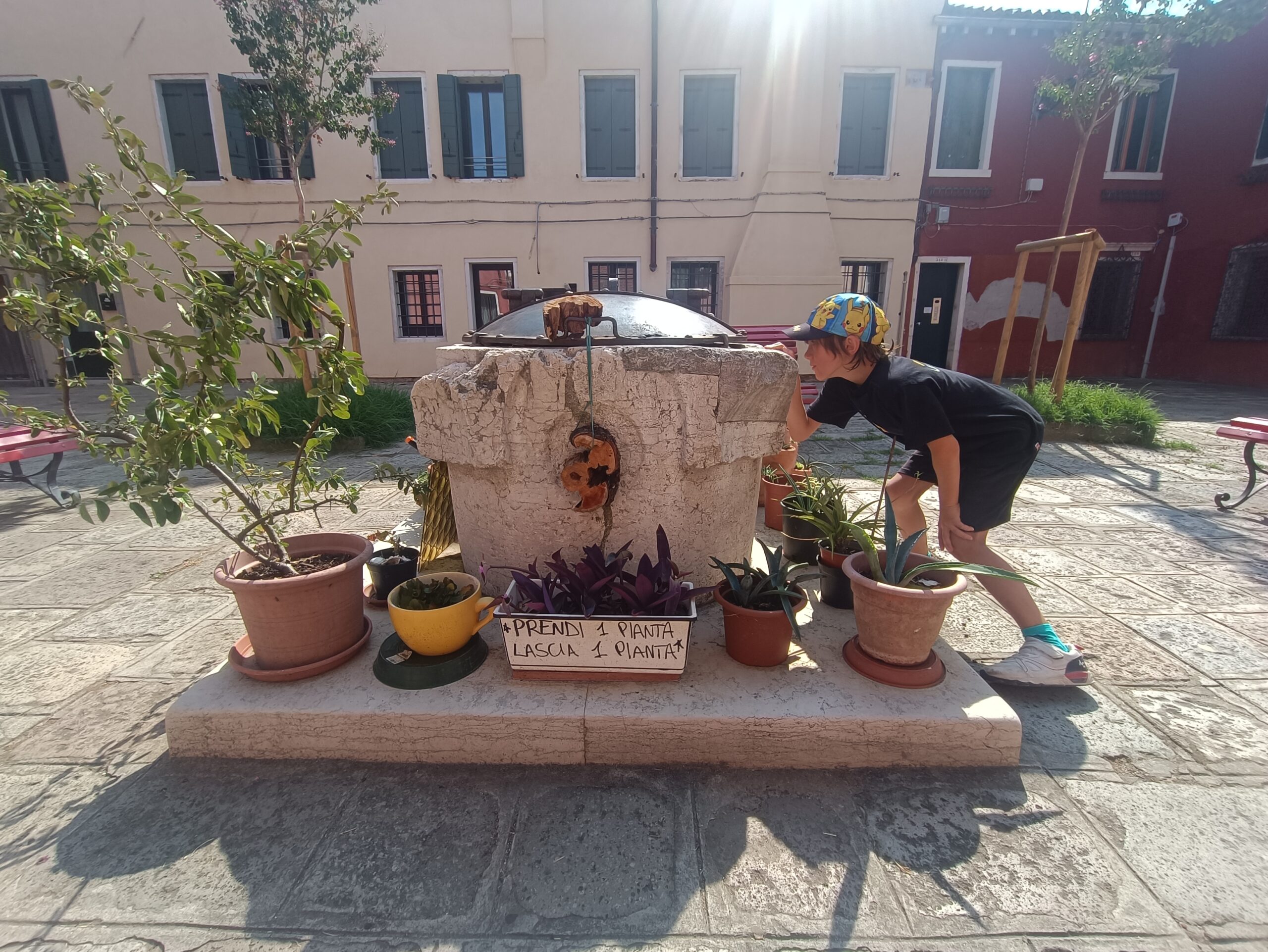
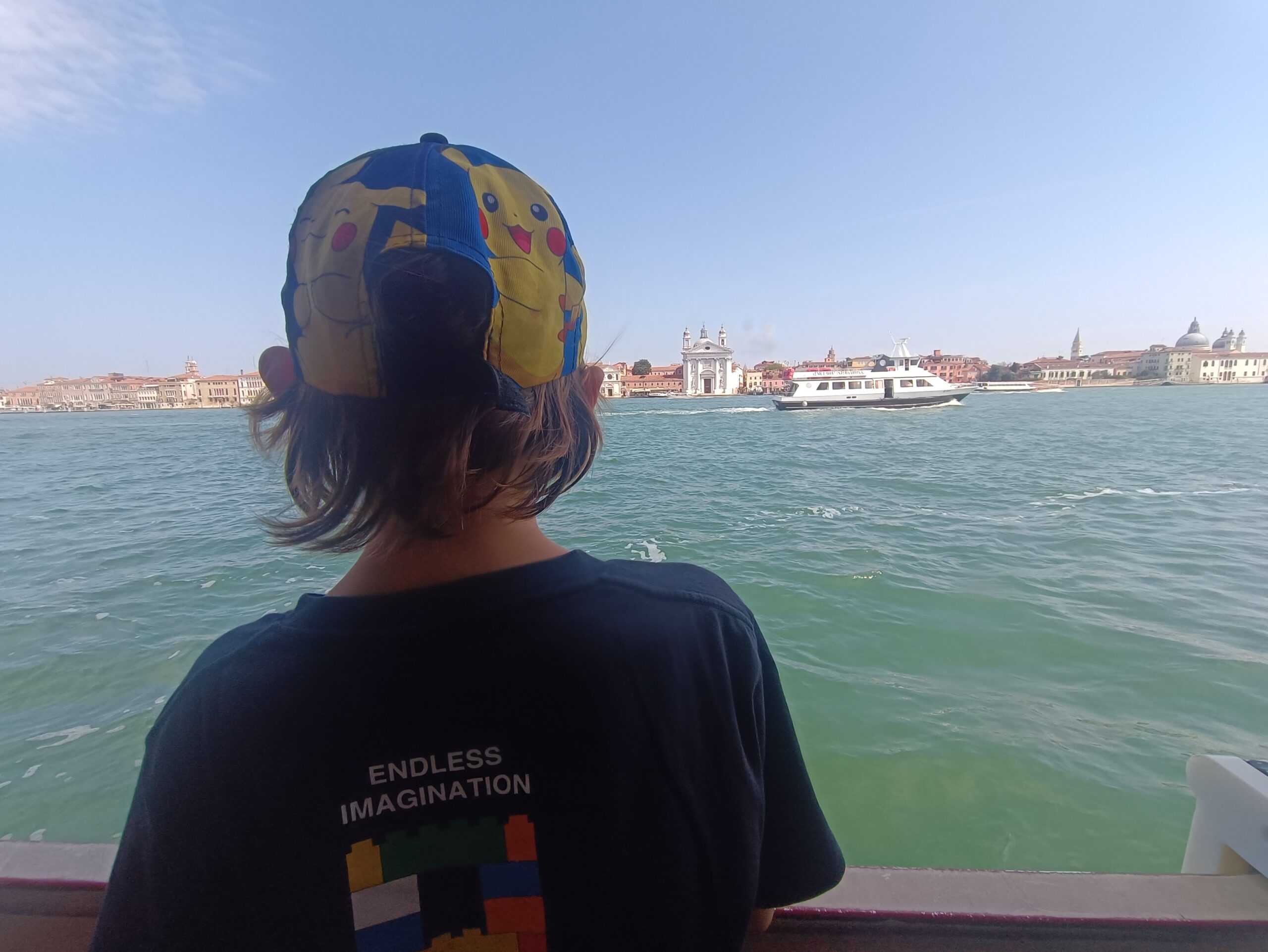
The journey from Venice to Rijeka will hold a few surprises for us. There are no longer any trains crossing the border from Italy to Slovenia, so we will take a bus from Trieste to Sežana, then a train to Pivka, a rural hub where we will wait for the last train connection to Rijeka.
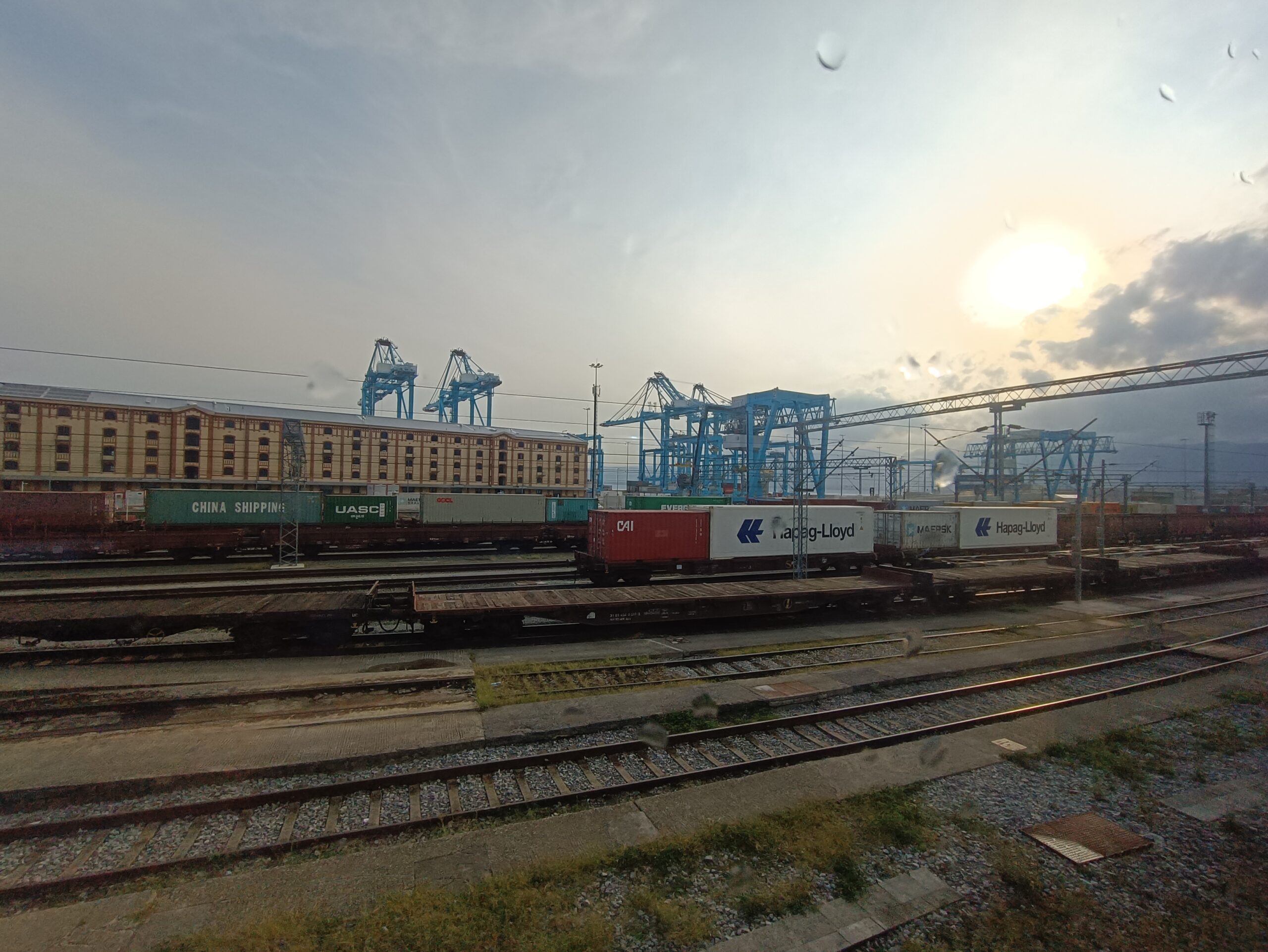
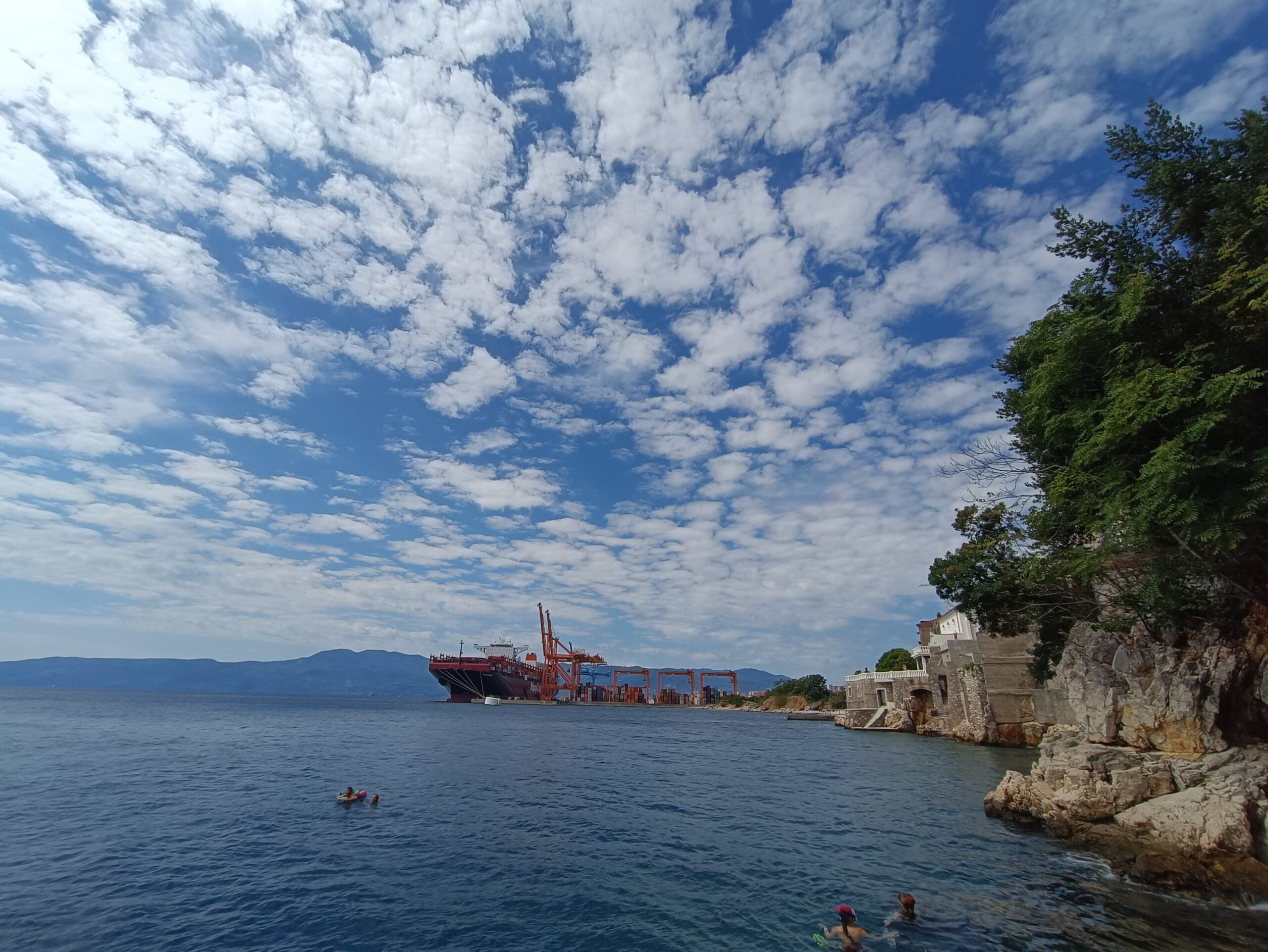
An industrial port city on the Adriatic coast, Rijeka remained under Habsburg rule for a long time before being occupied by the Italian army, becoming a short-lived Free State of Fiume, and then being annexed by Italy. It was recaptured by Tito’s troops and annexed to Yugoslavia after the Second World War before proclaiming its independence in 1991. Its heritage is a cultural mille-feuille. It will become European Capital of Culture in 2020.

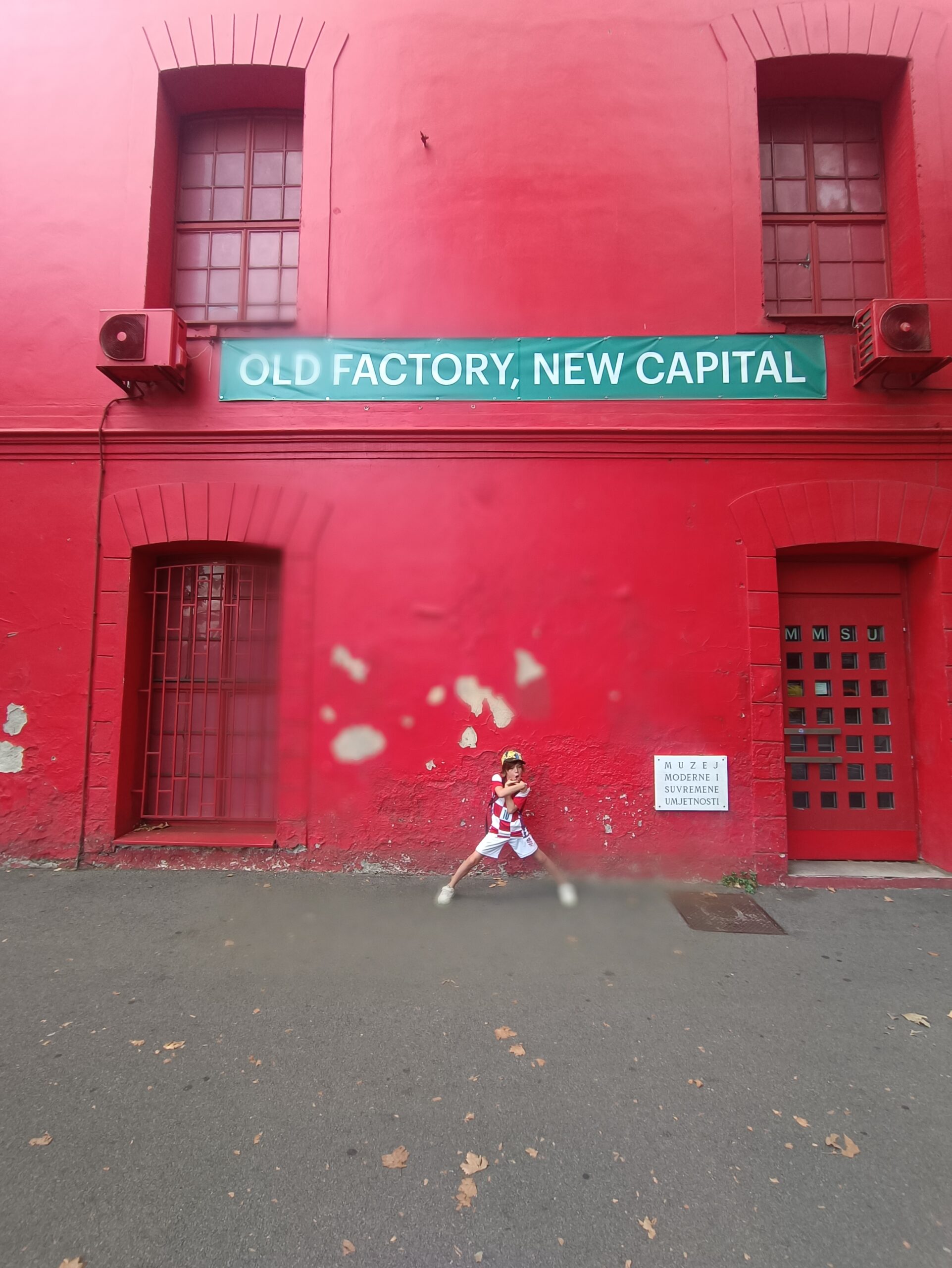
Conversations
We are staying in Croatia for a week, mainly in Rijeka and then Zagreb. Our days are organised flexibly according to the availability of Davor, Valeria, Marcell and Tomislav, the team at Pirate Care. With each of them, we engage in conversation about our shared activities and the activist knowledge that comes with them (in laboratory spaces, with open technical tools and infrastructure, allied networks in Europe, editorial practices and collective publications).
First meeting at the premises of Drugo More, hosted by Davor and Barbora. Yuri settles in with his second Harry Potter book while we also journey through past, present and future times. Founded in 1999, Drugo More has a quarter of a century of cultural activism, tactical media and hybrid arts under its belt, through its mediation activities, civic actions, festivals, exhibitions and workshops.
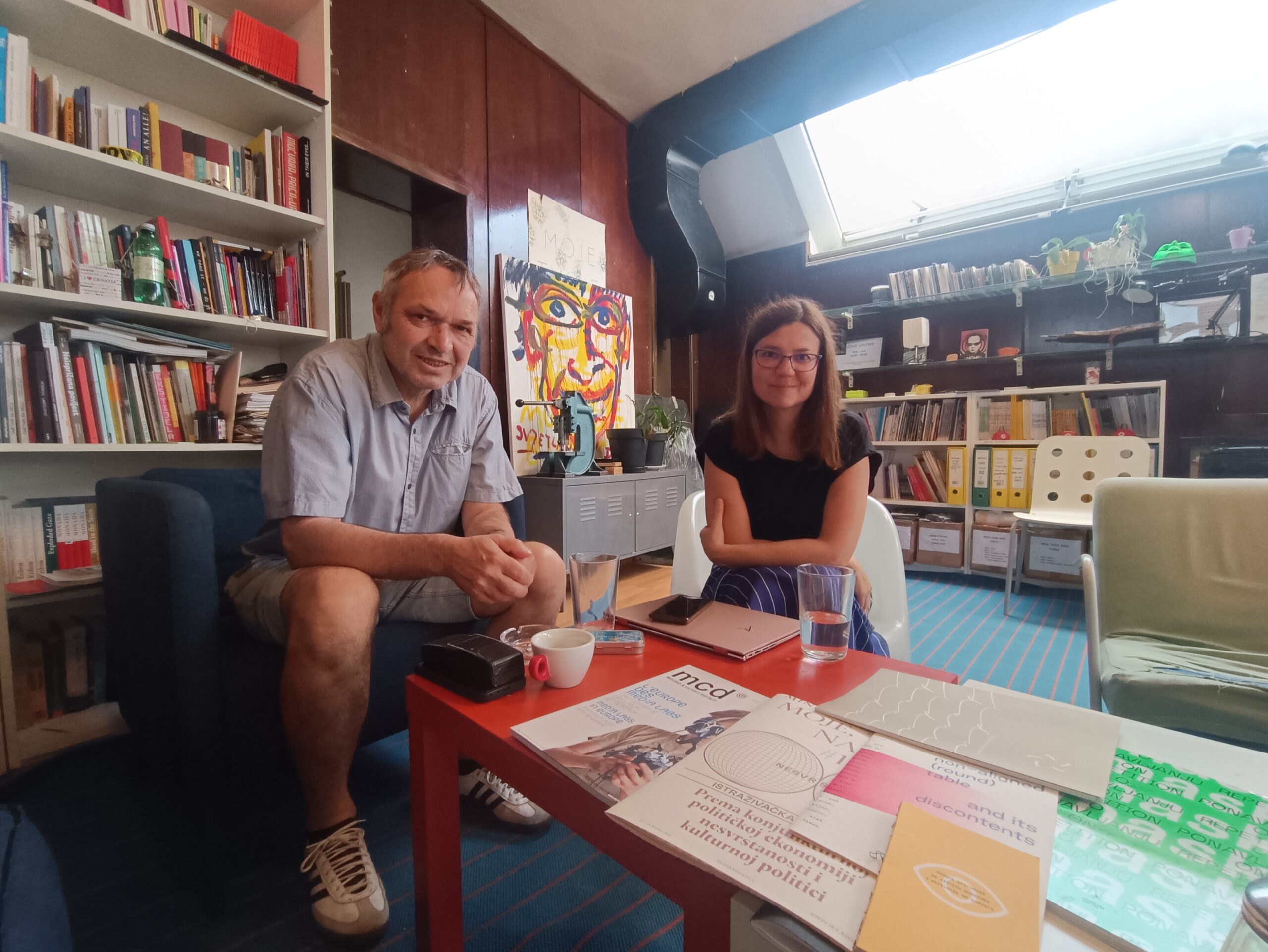
Around the table, coffee, publications and fanzines printed in riso. The MCD special edition L’Europe des medialabs is our relic (I was the editorial coordinator… in 2011 and Drugo More contributed to it), a shared archive that we leaf through. Despite multiple crises, some of these labs and collectives are still standing. They are still holding on, often through artistic collaborations and the support of European programmes.
It was in fact as part of the European project “Figure it Out – The art of living through the cracks in the system‘ that we all met or reunited in June 2024 during the Re/Dé}connecte festival co-organised with Labomedia in Orléans. Finally, in August 2025, we reopen the conversations that began a year earlier. In the meantime, the Figure It Out and Pirate Care projects that everyone was working on have been completed and have resulted in publications.
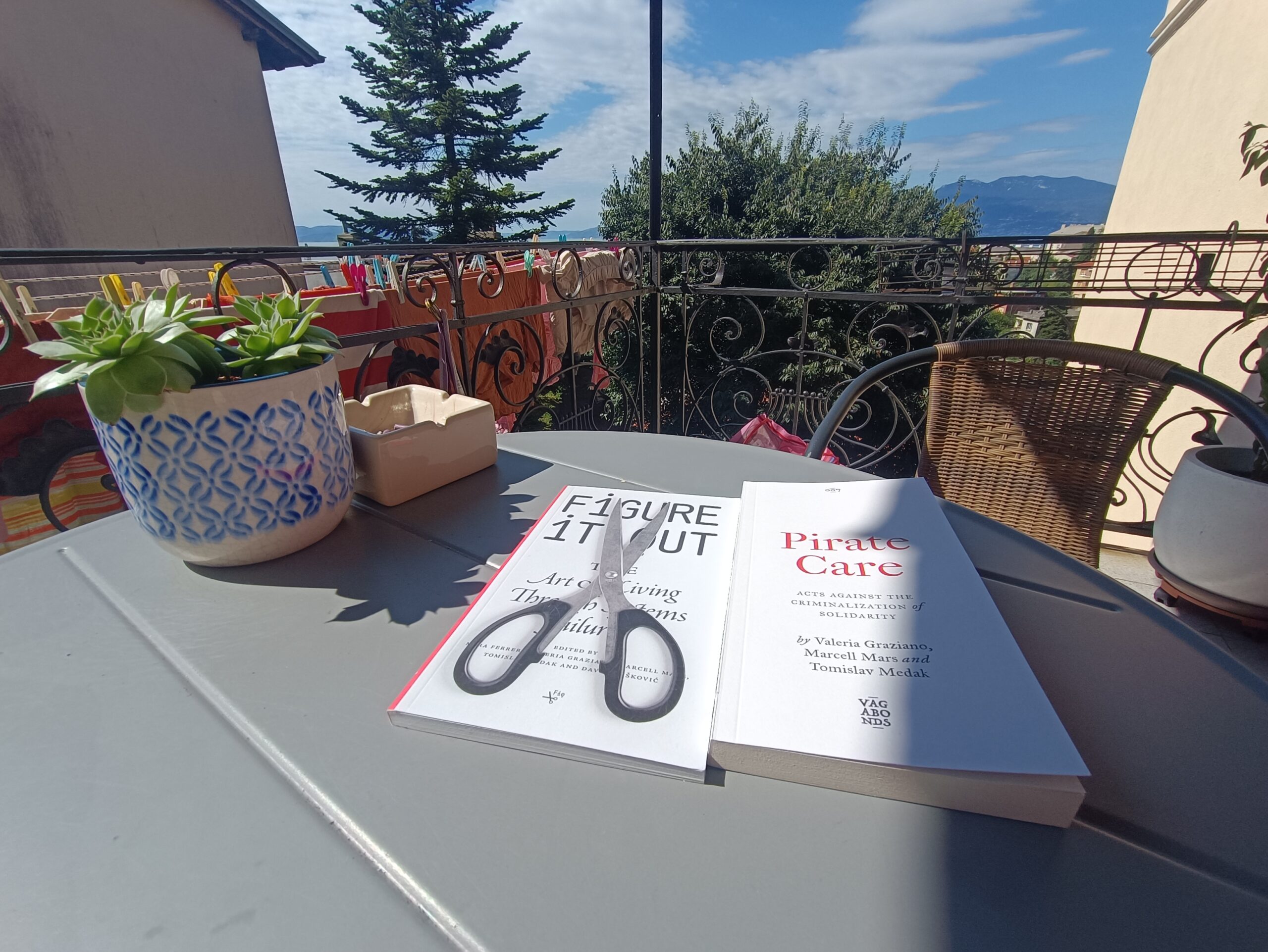
With Valeria and Marcell, discussions take place on café terraces, at their home, during group meals or at the beach, with the children (Yuri and Maté, Valeria and Marcell’s sons) joining us. We exchange books, open our computers to show each other tools, and share our experiences of developing databases and other content libraries, which have involved a lot of hard work, mistakes and, of course, small moments of joy. We also discuss these shared communities of practice (Constant), other collections (Monoskop) and frugal web initiatives (Low tech magazine) that give us renewed energy and inspiration to maintain our exploratory and committed approaches over the long term.
Valeria and Marcell discuss their research at the intersection of ‘care’ and ‘piracy’ and the work they have done on the website syllabus.pirate.care. In the form of a syllabus (course materials), this simple, static website introduces practices of self-organisation and the sharing of tools, technologies and knowledge, offering unconditional solidarity to the most exploited and discriminated against. This content (both theoretical and practical), which is intended to be activated, adapted and enriched, is backed by another tool developed by Marcell and Tomislav, Memoryoftheworld, a network of interconnected libraries that provides access to a huge collection of books in digital format.
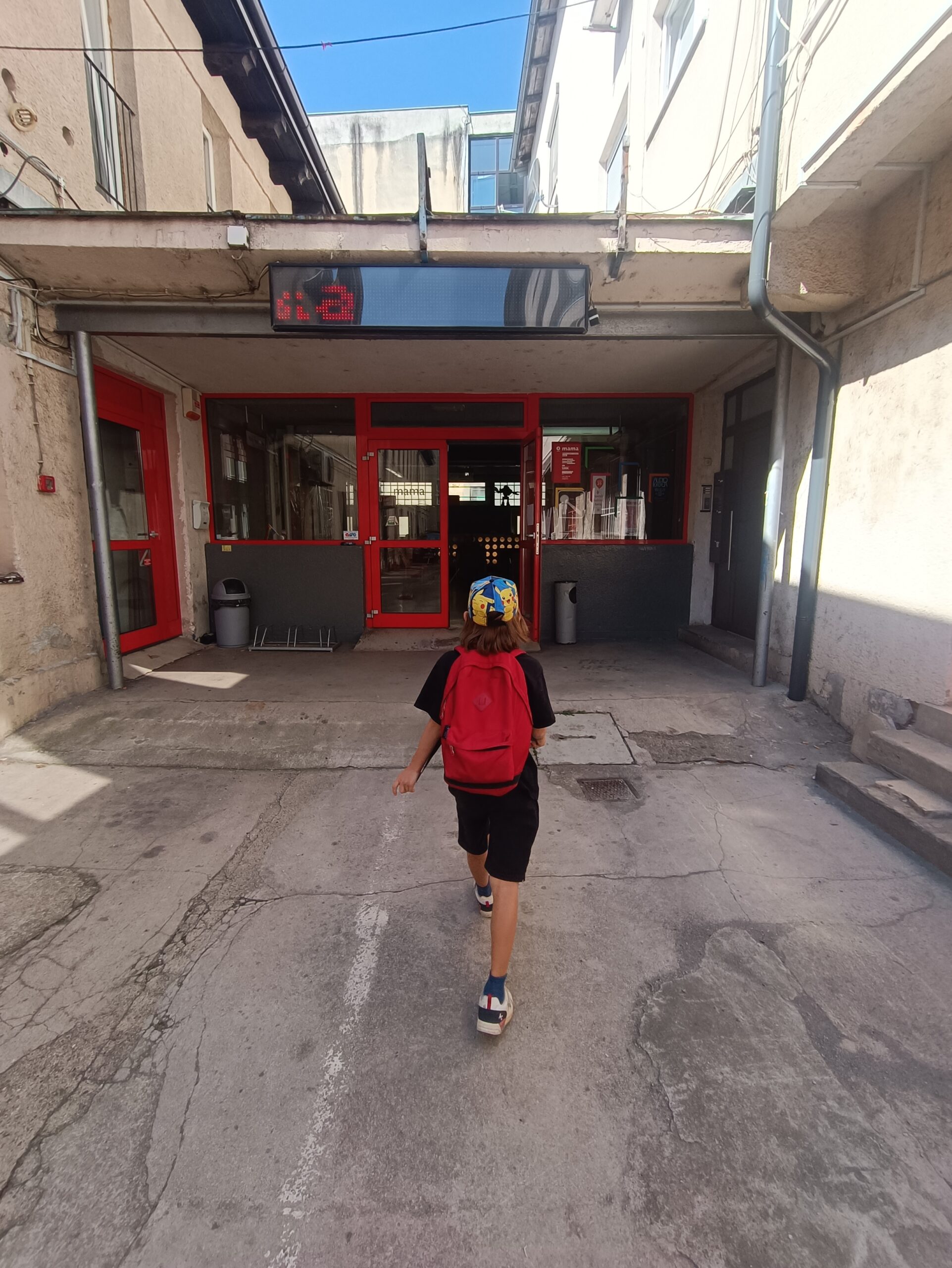
We leave Rijeka and head for Zagreb. There we are welcomed by Tomislav, a founding member of the Multimedia Institute/MaMa club, a place that facilitates encounters between hackers, artists, philosophers, DJs and activists, created in 2000. It is here that Tomislav and Marcell launched the GNU GPL EGOBOO.bits publishing label, as well as numerous events and exhibitions on hacking and digital cultures.
Tomislav discusses the place that books have always occupied in their projects, their circulation, their digitisation and their visible/invisible infrastructure, namely libraries. Together with Marcell, they are campaigning for a new form of public library (the Public Library programme) made up of interconnected private libraries (the Memory of the World project). Their approach is accompanied by book-sharing tools, campaigns to digitise endangered knowledge using a book scanner, and exhibitions such as ‘Paper Struggles’ in 2020.
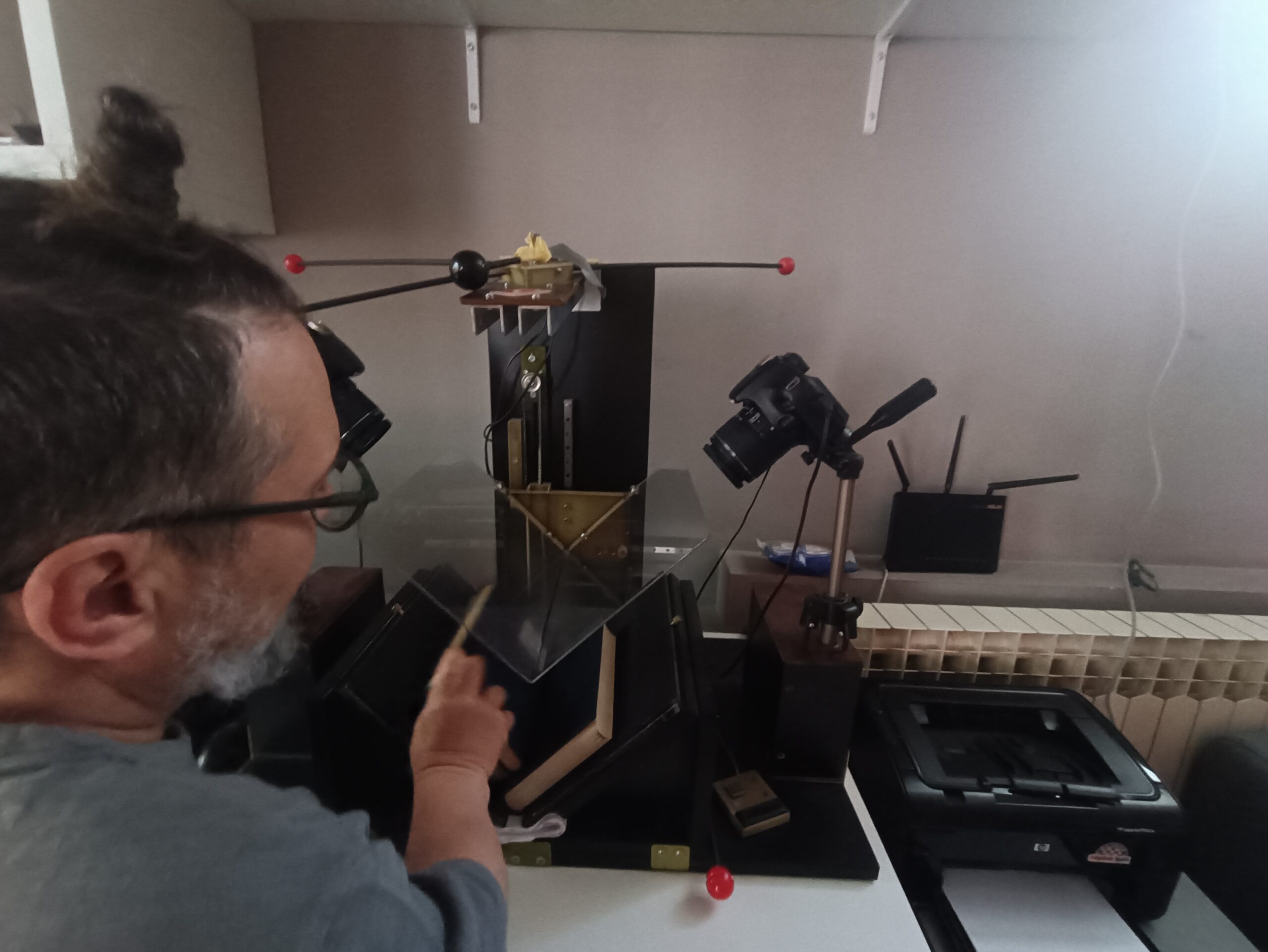
The public library is thus conceived as a critical narrative tool to stimulate debate on intellectual property rights, inequalities in access to culture, science and research, and the monopoly of digitisation by large platforms.
Travel to print
This resonates with other forms of hegemony found elsewhere in the book chain, in editorial and graphic practices, dominated by proprietary publishing software (Adobe). Based on the observation that in France, “Public education leads students to become dependent on these proprietary, closed, expensive tools used by a labour market that would like to do without them… but cannot find anyone trained in alternative tools”, art schools, engineering schools and European universities have come together around a joint research project EPE (Écran Papier Édition) to design innovative, well-thought-out and sustainable editorial software tools, under an open licence, for an alternative and creative approach between screen and paper.
Sarah Garcin is currently working on a state-of-the-art technical review of web-to-print devices in this context.
Because yes, there are some!
Viva technodiversity.
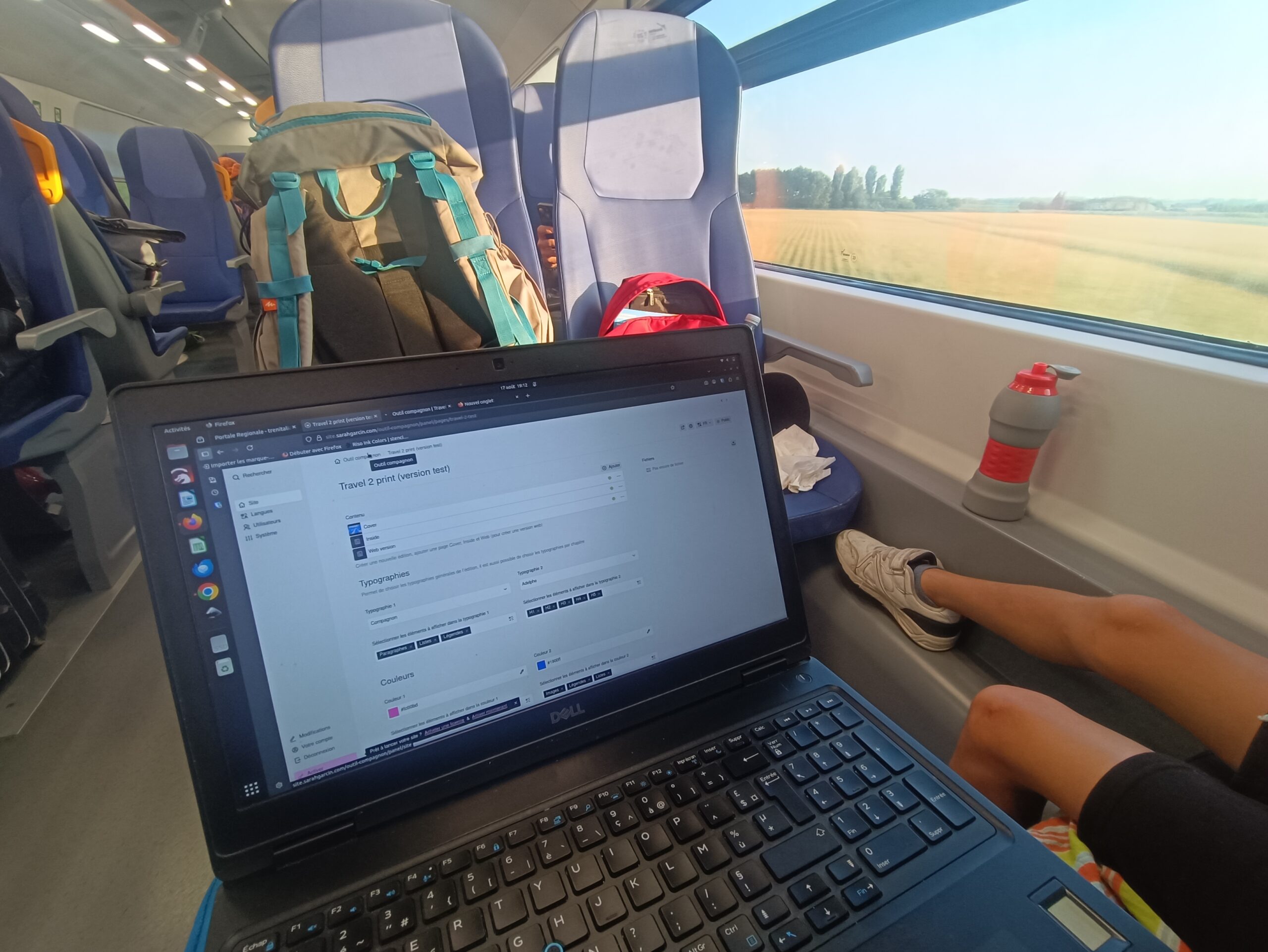
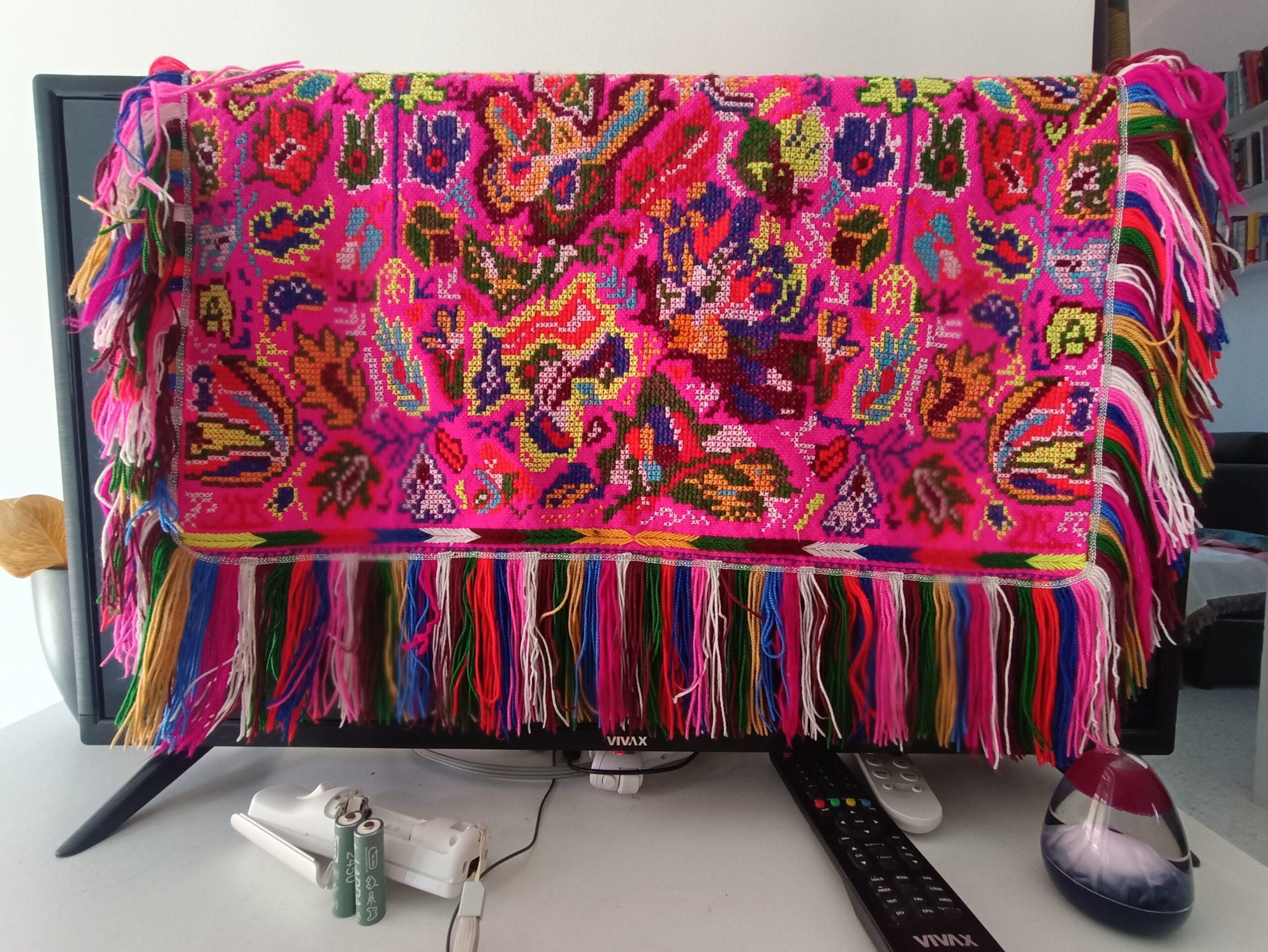
That’s it, we’re wrapping up the trip: from Club Mama, Tomislav drops us off at Zagreb station, heading for Ljubljana, the capital of Slovenia, where we’ll spend a few hours waiting for the night train to Munich, then Paris.
From all these journeys and conversations, this investigation and these initial tests with a web-to-print tool, the idea is to publish a companion-narration in the autumn to extend this article, combining cultural journalism, sensitive knowledge and documentary resources. A web and print object. Screen and paper. To explore other ways of editing, printing and amplifying stories that carry these alternatives.
Website of the program Rewilding Cultures
The mentoring for this project was organised by Makery